
If you’ve ever wished homemade cashew cheese tasted more like real cream cheese, the secret is simple: fermentation. This cultured cashew cheese develops a rich, tangy flavor using the same probiotic cultures found in homemade yogurt, and it’s surprisingly easy to make in a TurboBlaze air fryer or dehydrator.
FYI, this article includes Amazon affiliate links which you can use to find the products I’m talking about. When you do, I may earn a small commission from your purchase; this is a great no-cost way to support my work. Don’t worry, you never pay more because of this.
I worked with Cosori to produce the video above but they have not sponsored this blog post.
What Makes This Cashew Cheese Different?
Many vegan cream cheese recipes rely entirely on lemon juice or vinegar for tang. While those ingredients can create acidity, they don’t develop the complex flavors that come from fermentation.
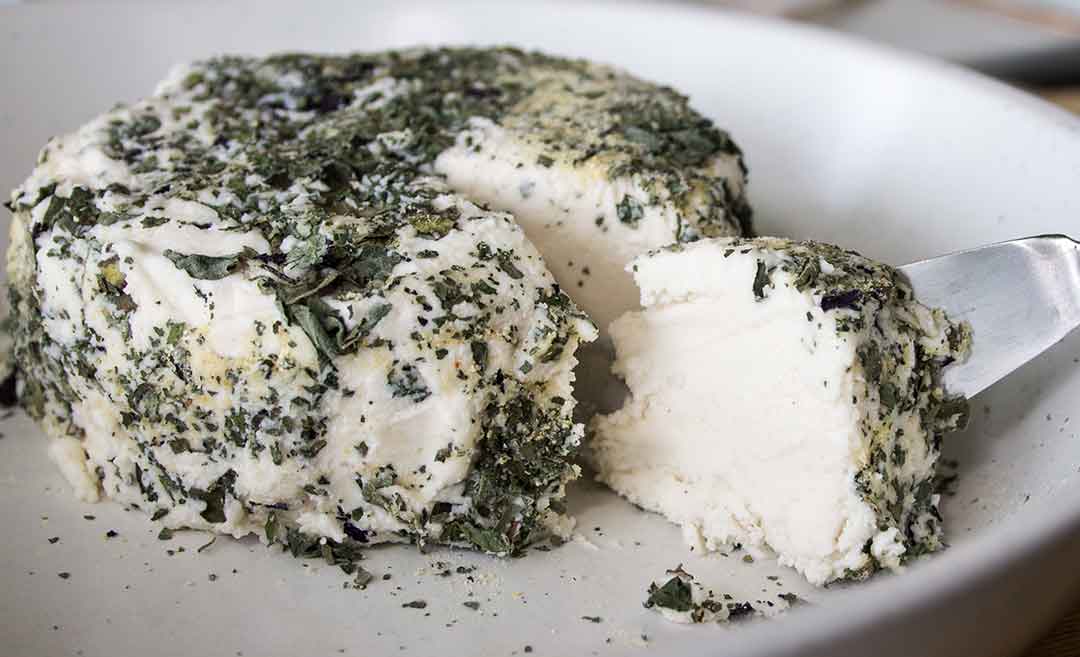
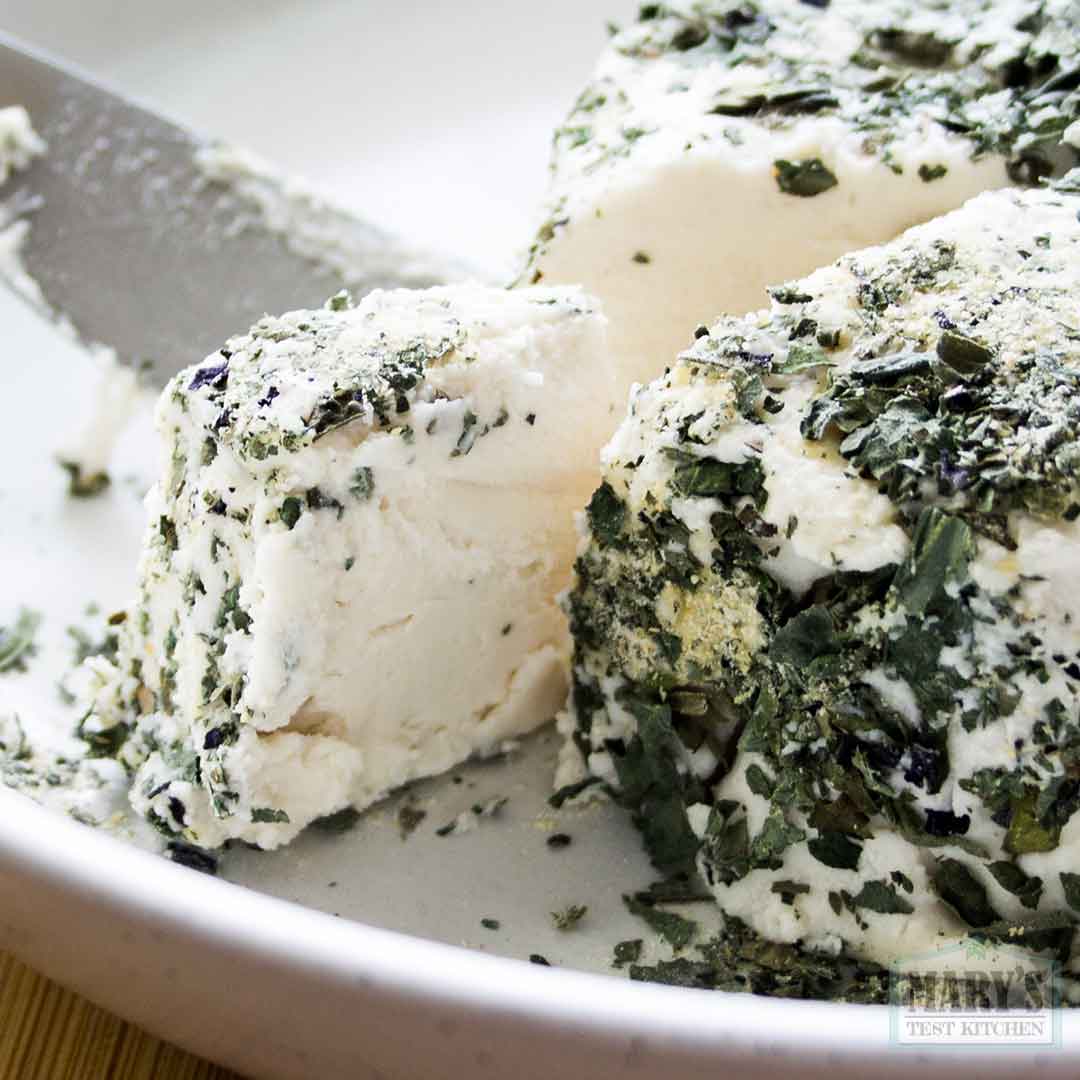
This recipe starts with cultured cashew yogurt, then undergoes a second fermentation to deepen the flavor and create a more authentic cream cheese-like taste. The result is mild, creamy, spreadable, and noticeably more sophisticated than quick blender cheeses.
Why Ferment Twice?
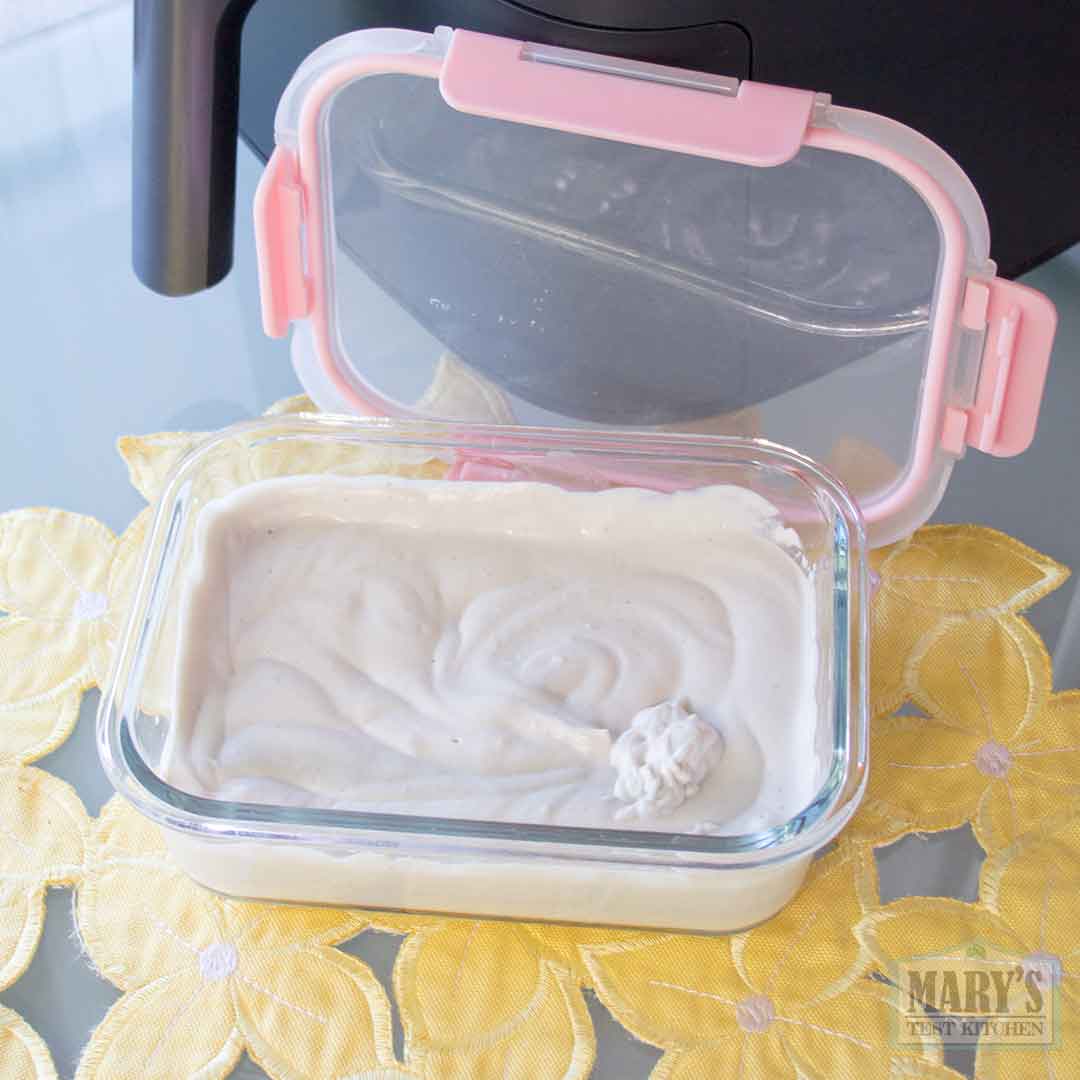
The first fermentation transforms cooked cashew milk into thick yogurt. The second fermentation happens after coconut oil and salt are added.
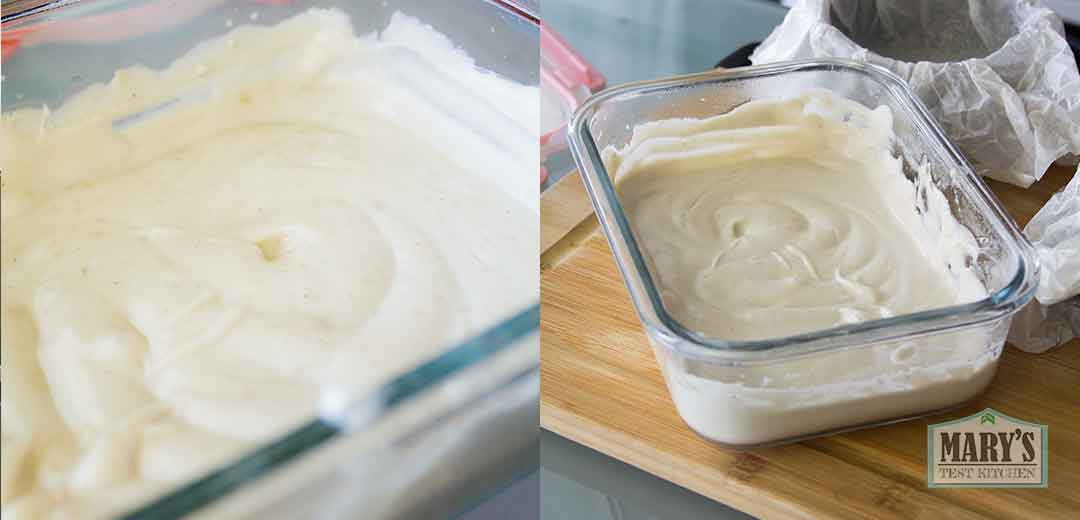
During this additional incubation period, the cultures continue to work, producing a deeper tang and more developed flavor. It’s a small extra step that makes a surprisingly big difference in the final cheese.
TurboBlaze Air Fryer or Dehydrator?
One of the biggest challenges with cultured vegan cheese is maintaining a consistent warm temperature during fermentation.
Having a Corsori TurboBlaze air fryer (affiliate link) with a proof setting makes this almost effortless. Simply set the temperature to 100°F (38°C) and let the cultures do their work.
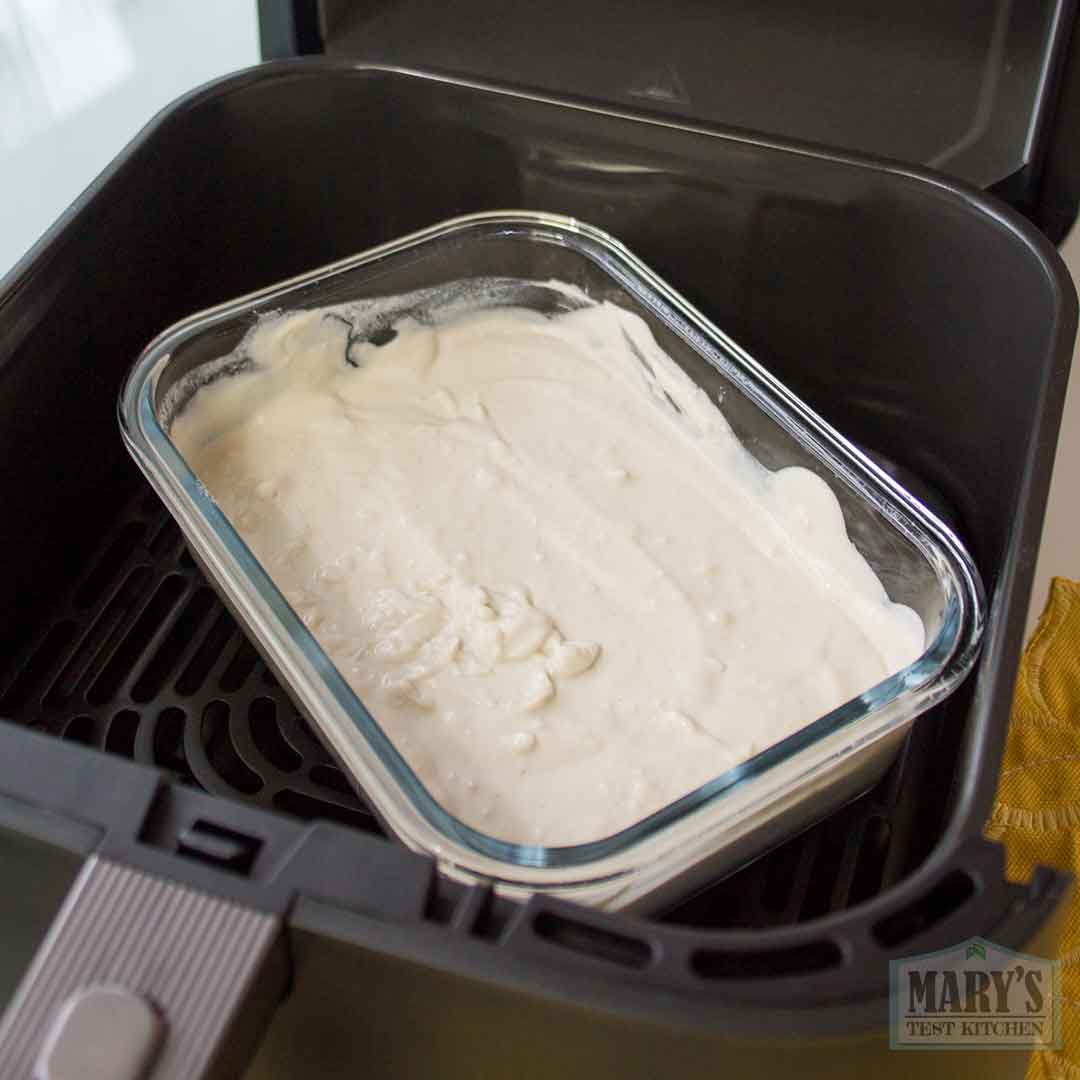
Of course, if you have a dehydrator that gets down to that sub 100°F temperature, that works equally well if you already have one.
Because the temperature remains stable, fermentation tends to be more reliable and predictable than leaving the mixture on a countertop.
Alternatively, I’ve also made yogurt in my oven with just the oven light on. I keep the oven door cracked for air flow and so it doesn’t get overly warm. Plus use a portable room thermometer to monitor it. With this method, you do have to pay more attention to it. If it starts to get too warm, crack the door wider. Too cold; close it for a little while.
The Secret to a Smooth Texture
One detail that’s easy to overlook is temperature.
For the smoothest, creamiest cheese, use freshly fermented cashew yogurt while it’s still warm from incubation. The melted refined coconut oil should also be warm and fully liquid.
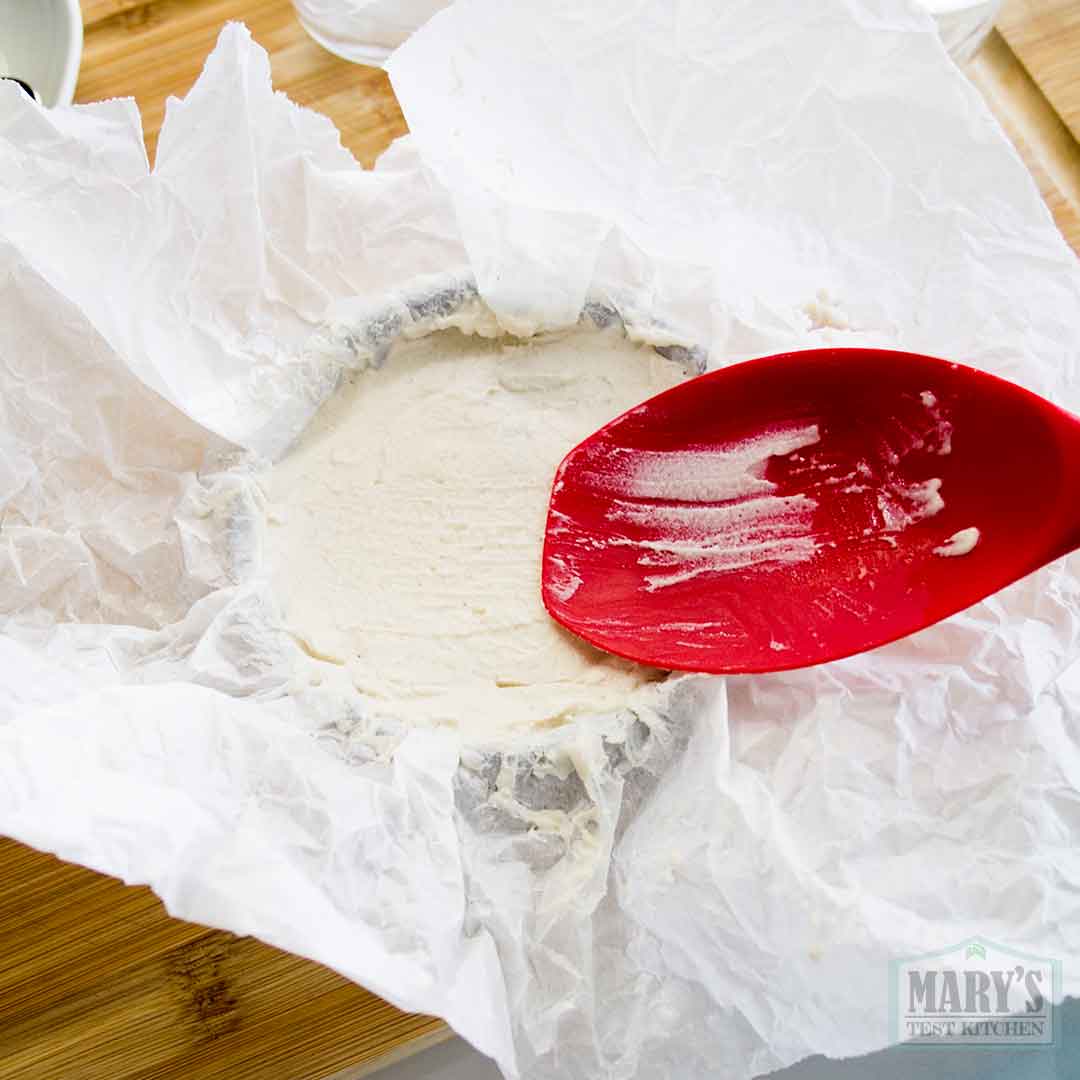
When both ingredients are at a similar temperature, they emulsify into a silky, homogeneous mixture. If the yogurt is cold, the coconut oil can solidify into tiny particles, creating a less smooth texture.
That’s why I recommend making the cheese immediately after the yogurt finishes fermenting rather than refrigerating the yogurt first.
Why Use Refined Coconut Oil?
Refined coconut oil serves two important purposes.
First, it helps the cheese firm up when chilled, making it easy to unmold and slice. Second, refined coconut oil has very little coconut flavor, allowing the tangy cultured notes to shine through.
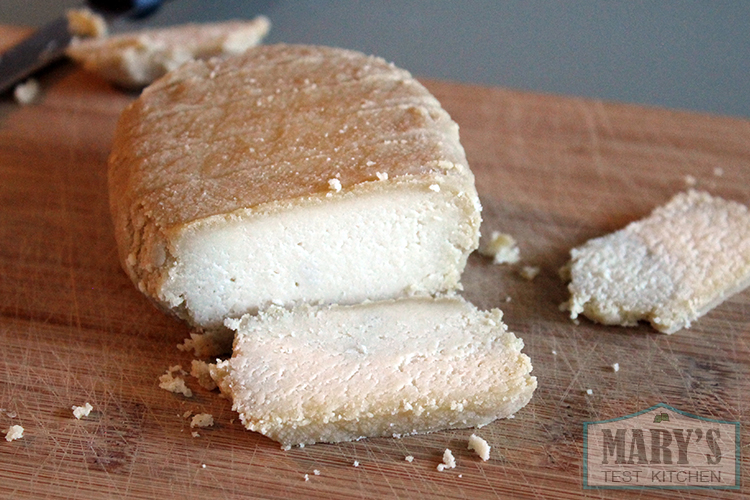
After refrigeration, the cheese becomes firm enough to handle while still remaining creamy and spreadable.
Ways to Serve Cultured Cashew Cheese
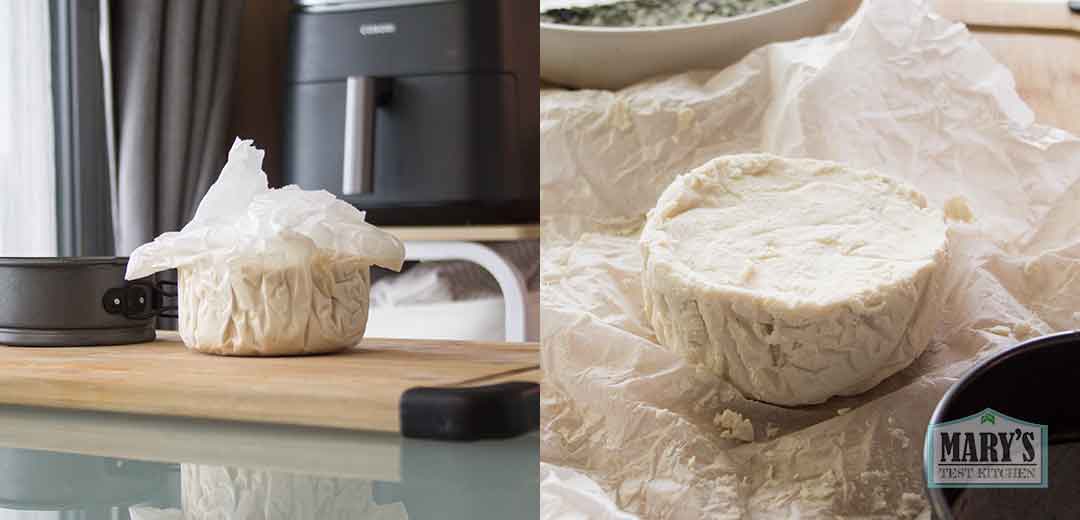
This cheese works anywhere you would normally use cream cheese.
Try it:
- Spread on warm dinner rolls
- On bagels or toast
- With crackers and vegetables
- On sandwiches and wraps
- As part of a vegan charcuterie board
- Mixed with fresh herbs for an easy party spread
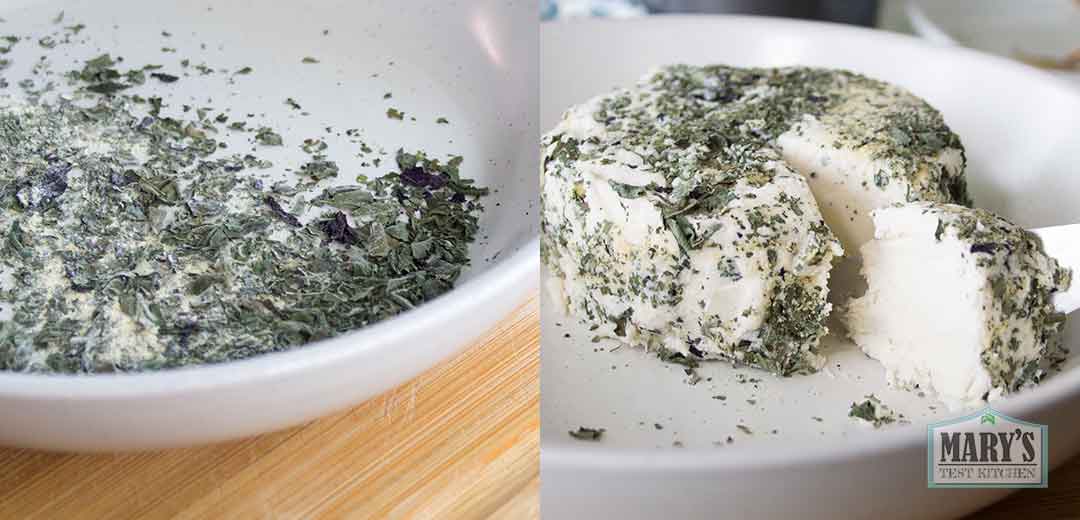
For extra flavor, roll the finished cheese in dried basil, garlic powder, onion powder, or your favorite herb blend before serving.
Make It From Scratch or Start With Yogurt
One of my favorite things about this recipe is its flexibility.
If you’ve already made a batch of my Homemade Cashew Yogurt, you can simply use a portion of it to make the cheese. If not, the recipe includes everything you need to culture a small batch of yogurt specifically for this project.
Either way, the result is a creamy cultured cashew cheese with a pleasant tang and a texture that’s remarkably close to traditional cream cheese.
Once you’ve tasted the difference fermentation makes, it’s hard to go back to quick vegan cheese recipes.
More Fermented Vegan Cheese
Don’t have anything to incubate? Try these fermented recipes:
Curious about what other ingredients make Vegan Cheese?
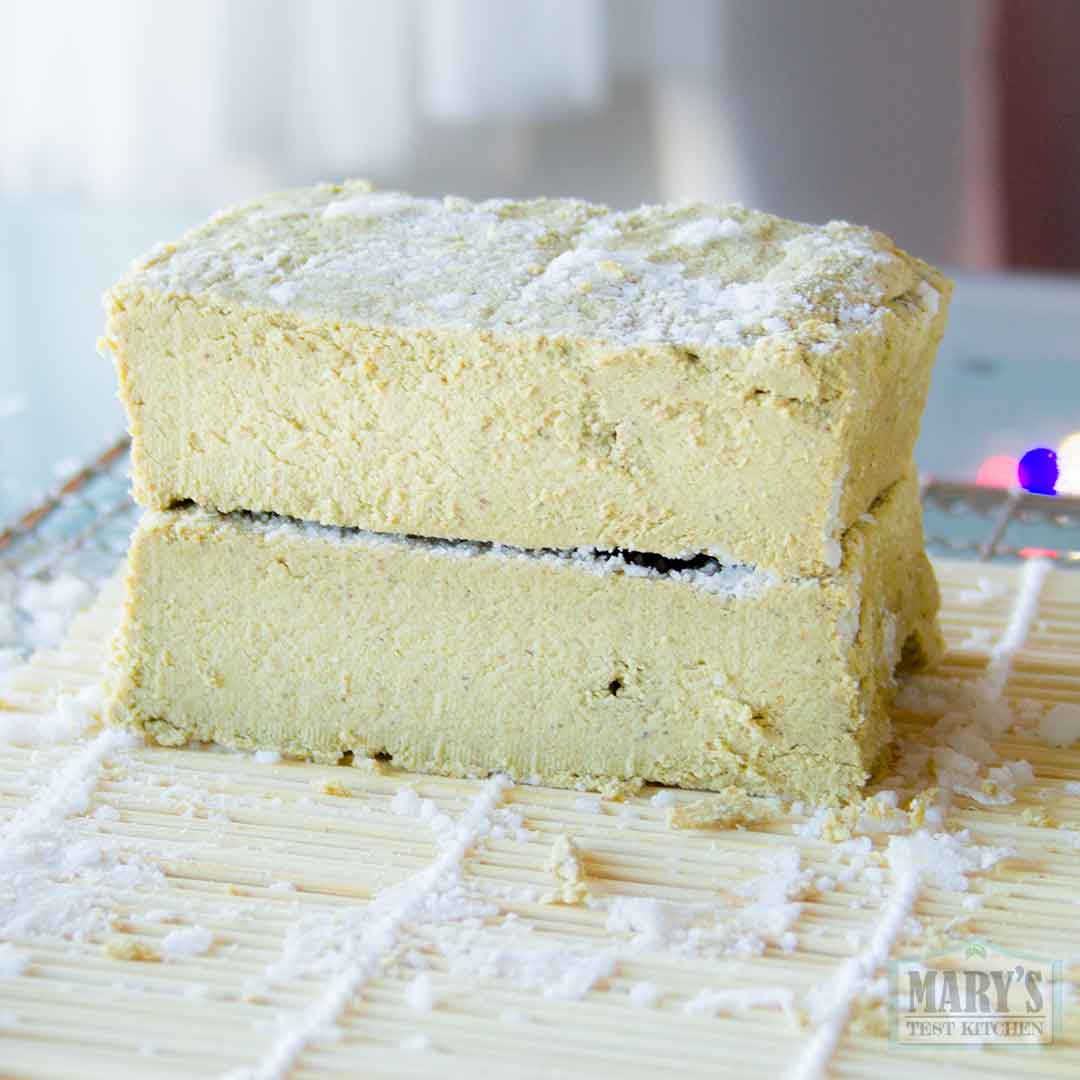
Cultured Soft Cashew Cheese Wheel

This cultured cashew cheese develops a rich, cream cheese-like tang through two stages of fermentation. Designed with the Cosori TurboBlaze but you can use a dehydrator or oven as well. Smooth, creamy, and perfect for spreading, it's delicious on bagels, crackers, sandwiches, and warm dinner rolls.
Ingredients
Option 1: Start with Cashew Yogurt
- 1 cup freshly fermented cashew yogurt (260 ml) from my Homemade Cashew Yogurt recipe, still warm from incubation
Option 2: Make the Yogurt for This Recipe
- ½ cup cashew pieces (60 g)
- ¾ cup + 1 tbsp water (200 g)
- 1 tsp plain live-culture yogurt OR contents of ¼–½ probiotic capsule
For the Cheese
- 6 tbsp refined coconut oil, melted (90 g)
- 1 slightly heaping tsp kosher salt (6 g)
Optional Coating
- 1 tsp dried basil
- ½ tsp garlic powder
- ½ tsp onion powder
Instructions
- Blend the cashews and water until completely smooth, about 1 minute.
- Transfer to a small saucepan and cook over medium heat, stirring frequently, until thickened and bubbling. The mixture should reach 165°F (74°C) and hold for 30 seconds.
- Cover and allow to cool to below 110°F (43°C).
- Stir in the yogurt or probiotic culture.
- Transfer to a clean container and proof at 100°F (38°C) for 8–10 hours, or until thick and lightly tangy.
- While the yogurt is still warm from incubation, melt the coconut oil and allow it to cool until warm but still fully liquid. The yogurt and coconut oil should be at a similar temperature.
- Add the coconut oil and salt to the warm yogurt and blend thoroughly until completely smooth and emulsified.
- Transfer to a clean container and proof at 100°F (38°C) for an additional 12–16 hours.
- Line a small mold or mini springform pan with parchment paper and fill with the cheese mixture.
- Refrigerate overnight until firm enough to unmold.
- If desired, combine the basil, garlic powder, and onion powder and roll the cheese in the seasoning mixture before serving.
If using freshly fermented cashew yogurt, skip to Step 6.


This looks great but I do not use coconut oil, or any oil in my food prep. Will this cheese work without it?
Depends on what you mean by “work” I guess! The coconut oil makes the cheese more firm. But it will ferment and get tangy without the coconut oil. You’ll also want to adjust the amount of salt for the lower volume.
Hope that helps!