Can you make yogurt from pumpkin seeds? I had to find out. If you’ve been following my Will It Tofu? experiments, you’ll know that pumpkin seed milk has a very unusual trick up its sleeve: it naturally coagulates when heated. Great for making luxurious, cheese-like pumpkin seed tofu. But can it yogurt?
This post contains affiliate links. As an Amazon Associate, I earn commission from qualifying purchases but rest assured, there is never any extra cost to you. Thanks for supporting my work!
How Yogurt is Made (Dairy VS Plant-Based)
In dairy yogurt making, milk is pasteurized (heated to destroy bacteria) and then cooled to barely warm before live bacterial yogurt cultures are added. The helpful bacteria ferment the milk primarily by feeding on the lactose (sugar in the milk) and producing lactic acid. This makes the milk sour and coagulate, thickening into the yogurt we’re familiar with.
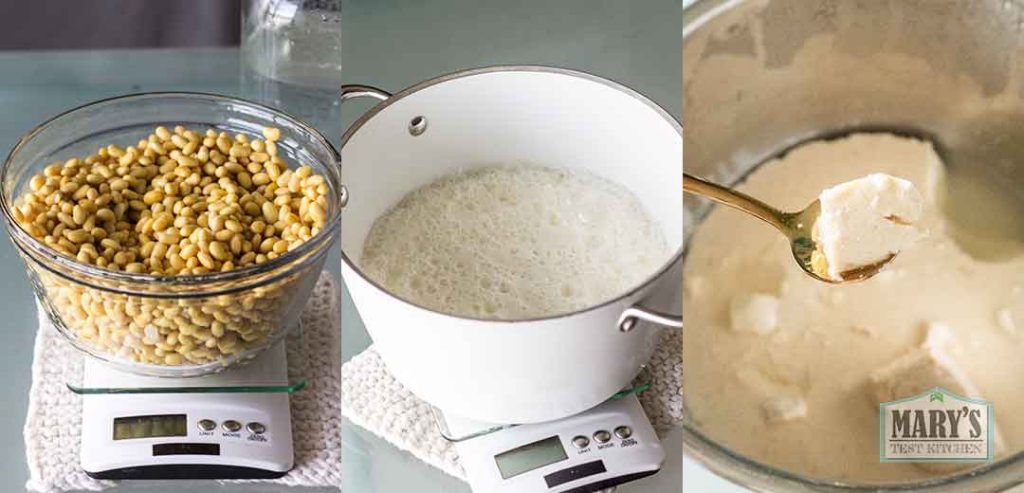
In plant-based yogurt making, once we turn the ingredient into milk by blending with water and straining out the pulp, our process is pretty much the same. Except there’s no lactose in the milks. Instead, plants have varying amounts of natural sugars (mainly glucose and fructose) and starches which are also turned into lactic acid. In many cases (like with soy yogurt, cashew yogurt and peanut yogurt), this turns out beautifully.
But as you know from my series Will it Tofu?, different plant-milks behave differently when heated and coagulants are added.
The problem with pumpkin seed milk
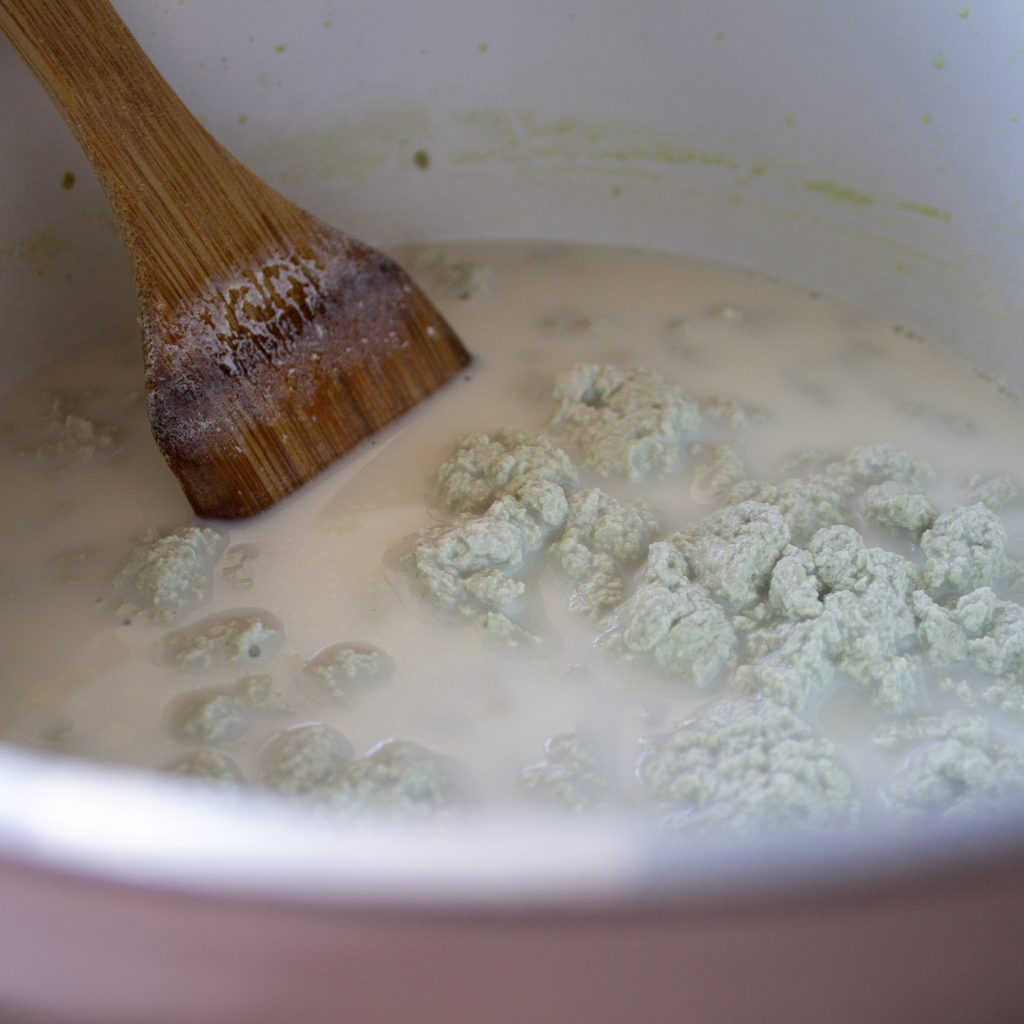
If you’ve made my pumpkin seed tofu before, you already know first problem. When pumpkin seed milk reaches around 160°F (71°C), the proteins naturally coagulate. That’s fantastic when you want tofu, but not exactly what we’re looking for in a creamy yogurt. The second potential problem is that pumpkin seeds are naturally low in sugar and low in starch. Less food for the lactic acid bacteria to work with.
Why not use raw pumpkin seed milk? While sourness of yogurt helps to preserve the shelf-life of milk, the fermentation process itself is done in a warm environment; perfect for many types of harmful bacteria. Cooking the pumpkin seed milk thoroughly before inoculation cuts down the chance of food-borne illness.
Trying to Prevent Coagulation
So for my first round of pumpkin seed yogurt testing, I measured out 6 batches of soaked pumpkin seeds. To them, I added different ingredients that I thought might affect the pumpkin milk’s ability to coagulate: Rolled Oats, Psyllium Husk, Flax Seeds, and Chia Seeds. One batch I would keep 100% pumpkin seeds and the last batch would be the same but with one intervention after cooking.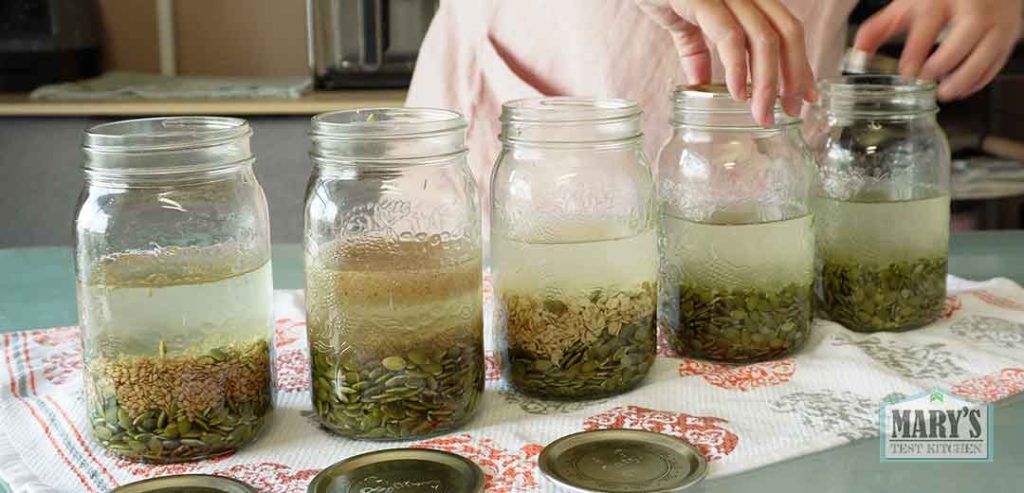
Rolled oats turned out to be particularly effective at preventing coagulation. Unfortunately, extracting the milk from the oat-and-pumpkin-seed mixture was an absolute workout.
Psyllium husk was even more chaotic. It turned the mixture into something so thick and slippery that straining it became an exercise in poor decision-making. For that batch, I gave up trying to strain it and cooked it whole.
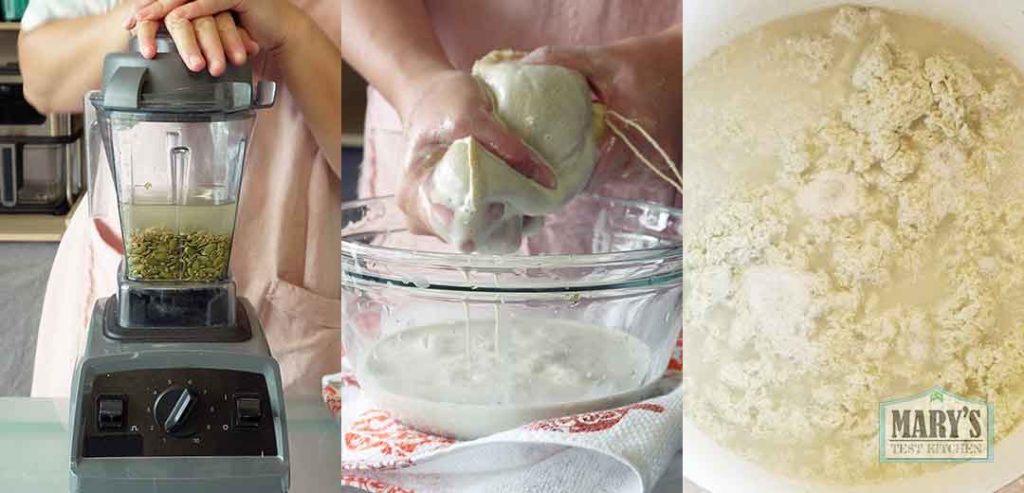
Flax and chia seeds seemed promising at first, but they ultimately didn’t prevent coagulation at the amounts I tested.
A hiccup
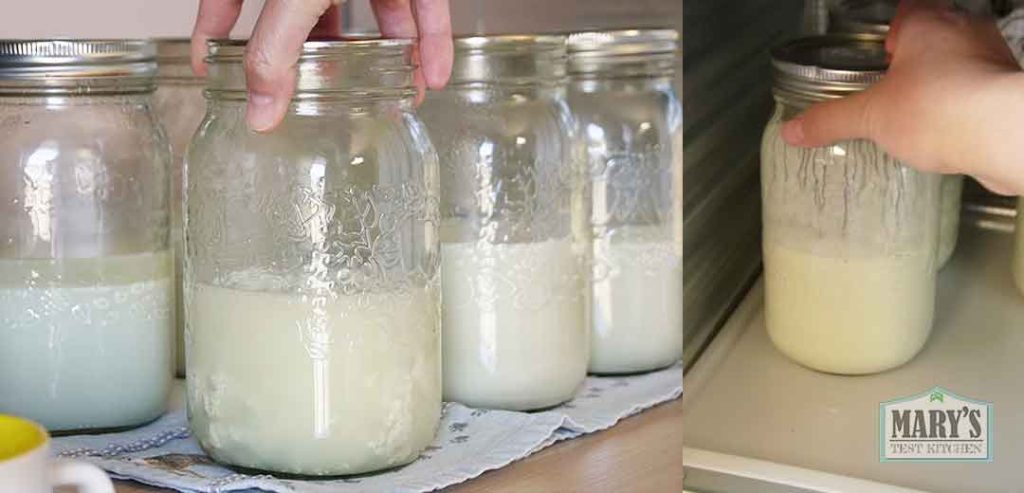
Unfortunately, after all that work, the first batch went wrong during fermentation. This is when I find out, my dehydrator actually runs a tiny bit hotter than the setting indicated. Putting the temperature outside the yogurt cultures’ ideal range. Combined with the low sugar content of pumpkin seeds, fermentation was too slow for the good bacteria to establish themselves, and some jars developed pink fuzz or an ammonia smell. Needless to say, I scrapped the whole batch and didn’t touch pumpkin seed yogurt for a good long while to get over the trauma 😂
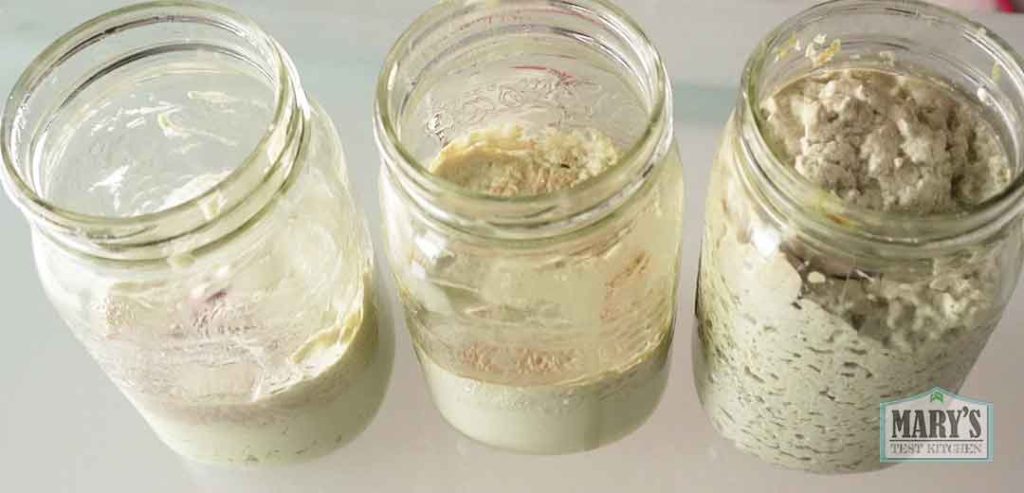
However, I did learn some things to take to the next round.
Round two: pumpkin seed + flax yogurt
After the first experiment took a turn into fermentation territory I wasn’t comfortable with, I started over.
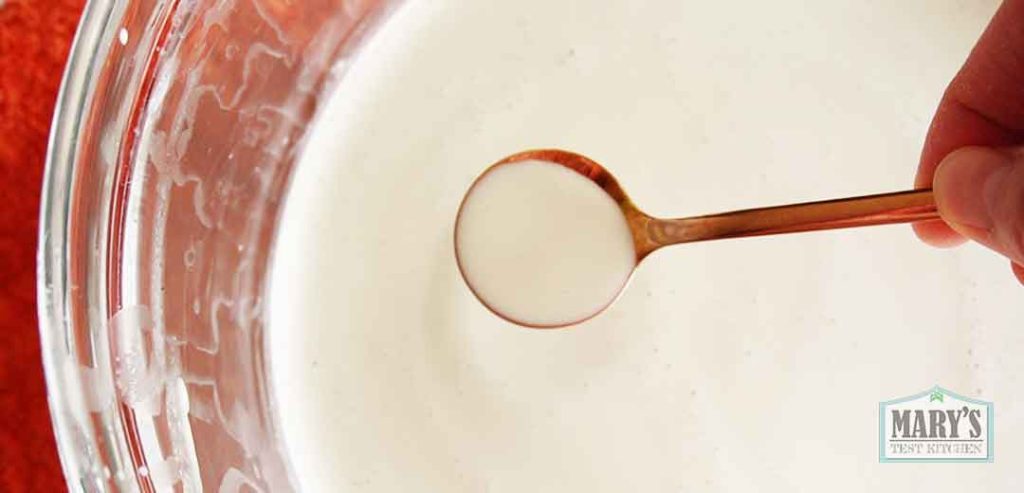
This time I narrowed it down to two versions: plain pumpkin seed milk and pumpkin seed milk with golden flaxseed.
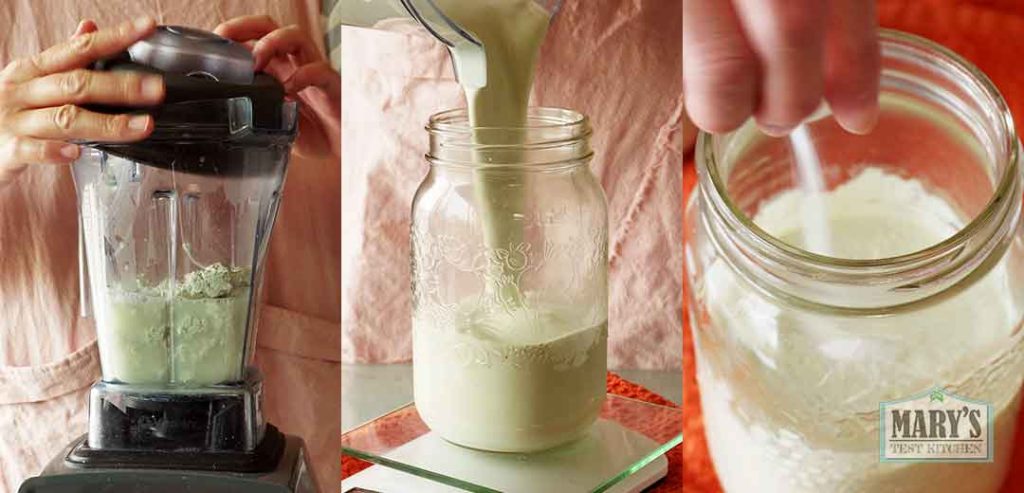
I also used more vegan starter culture and kept the fermentation temperature lower and more controlled.
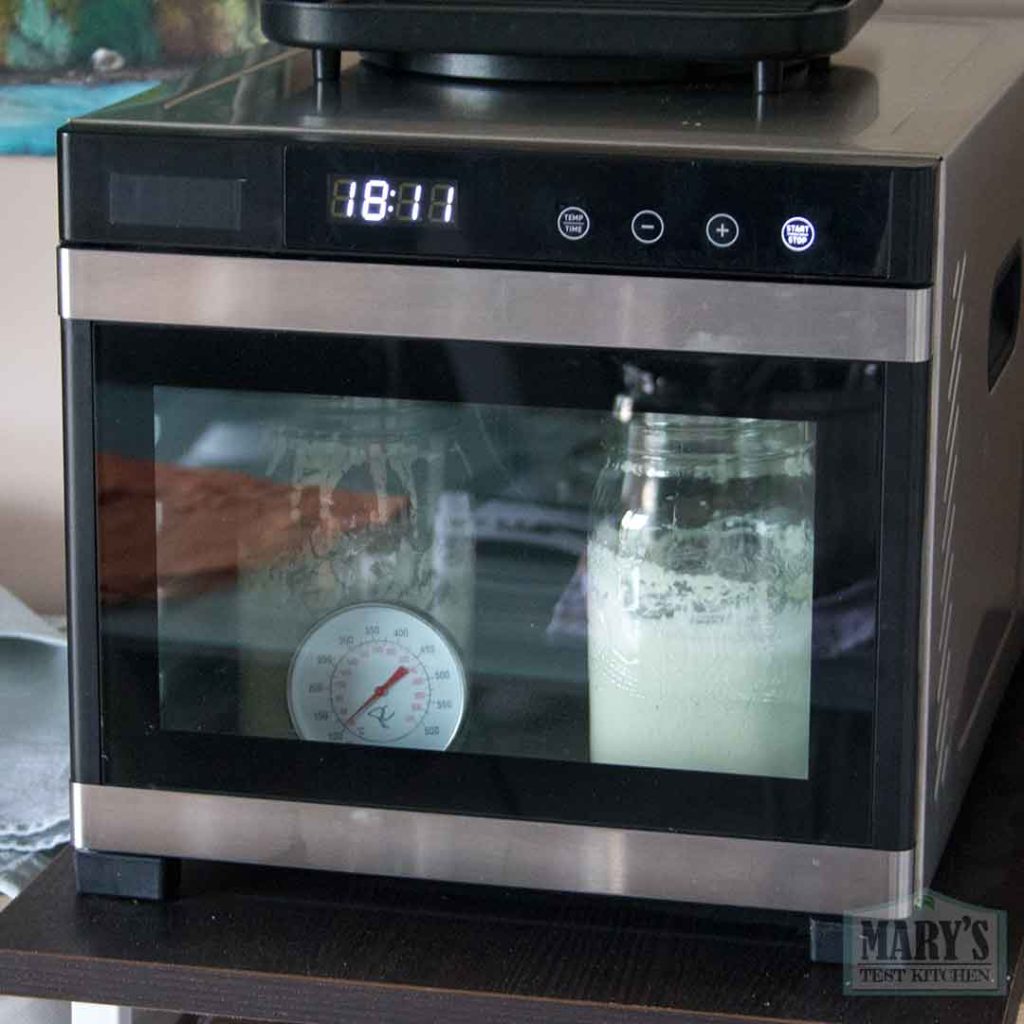
And finally… success!
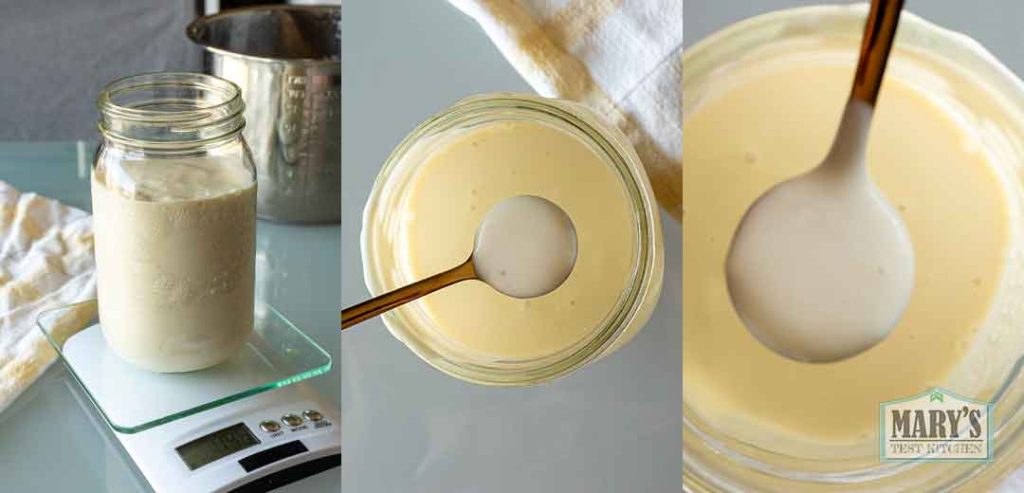
After about 15 hours, the pumpkin seed yogurt had developed a noticeable tang and had thickened considerably.
What does pumpkin seed yogurt taste like?
The plain pumpkin seed version was rich and creamy, with the unmistakable flavor of pumpkin seeds. It had only a subtle fermented flavor rather than the pronounced tang you might expect from conventional yogurt.
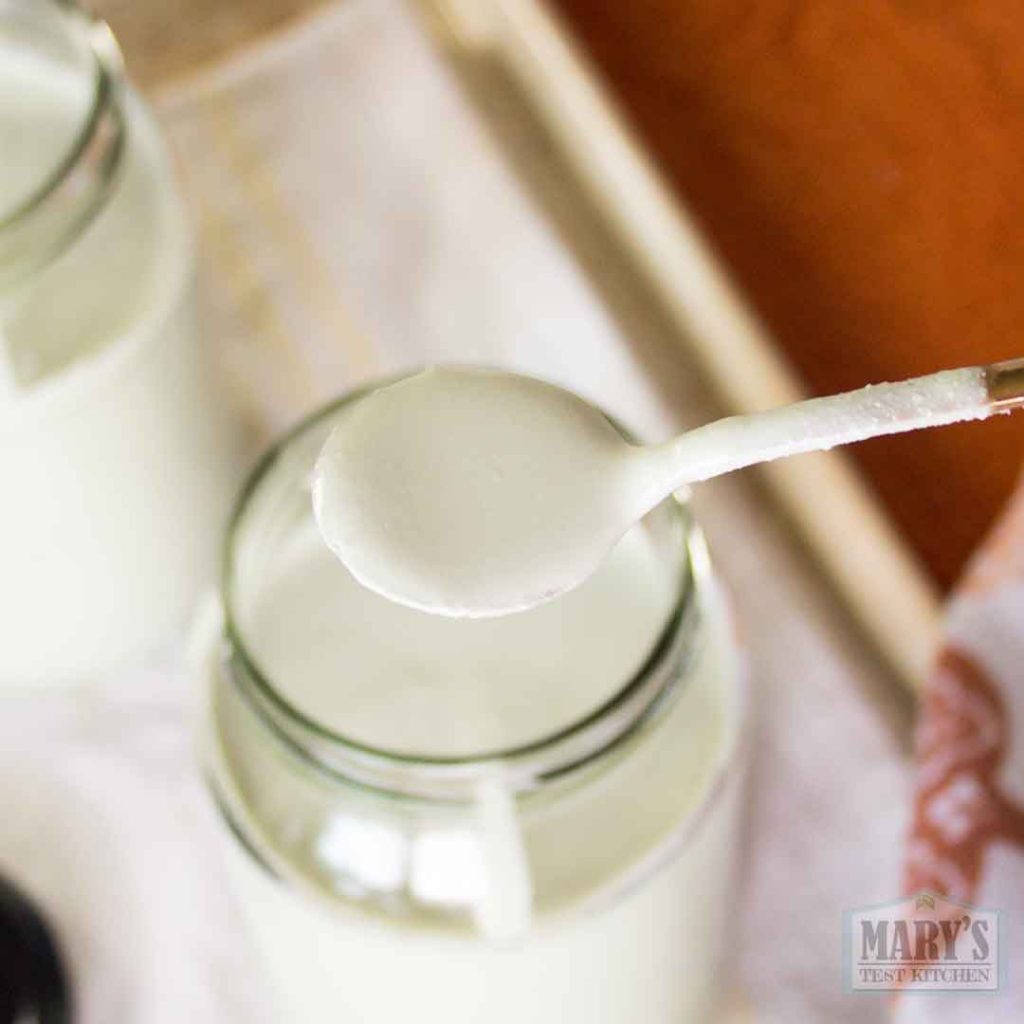
The flax version was my favorite.
It was thicker, silkier, and noticeably more tangy. It still tasted like pumpkin seeds, but in a really pleasant, rich way.
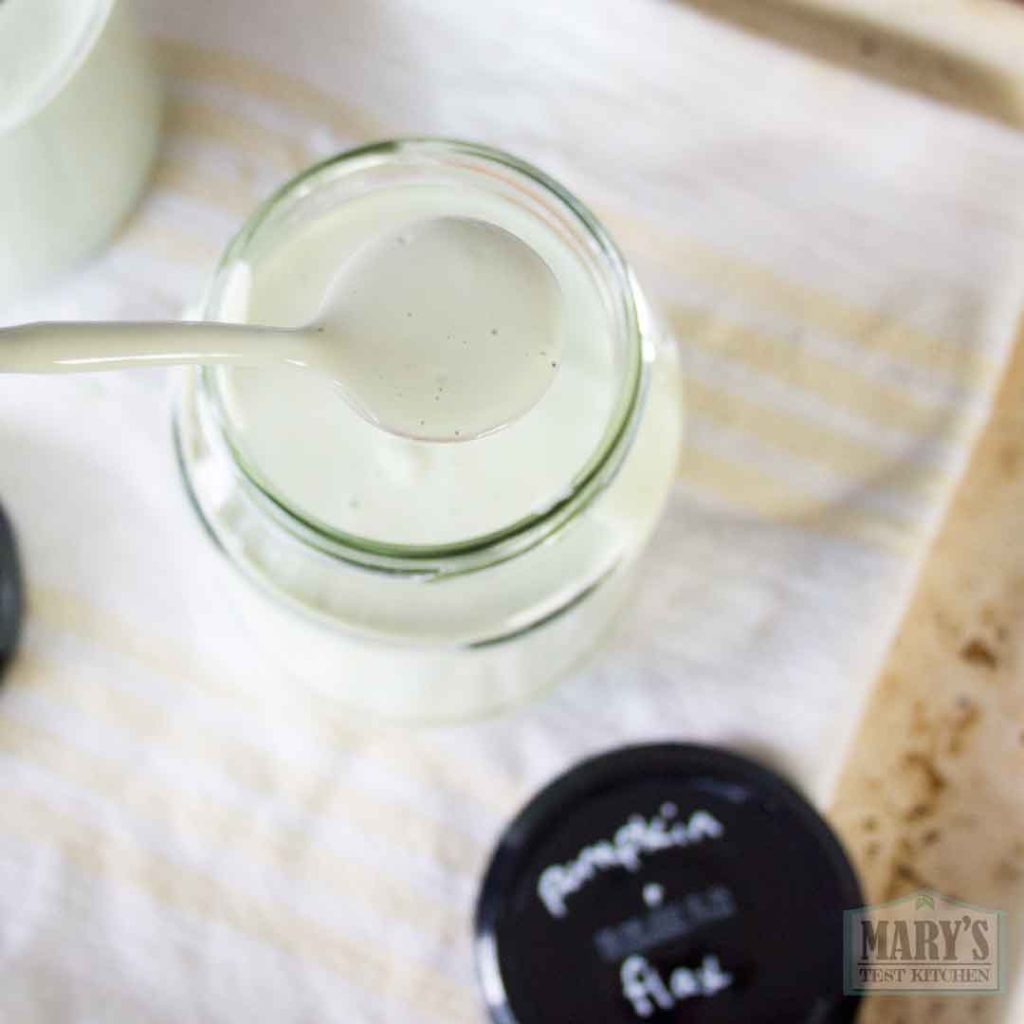
It wasn’t quite the same as dairy yogurt or soy yogurt—and I don’t think it needs to be.
It’s its own thing.
How much does homemade pumpkin seed yogurt cost?
This is where things get a little less luxurious.
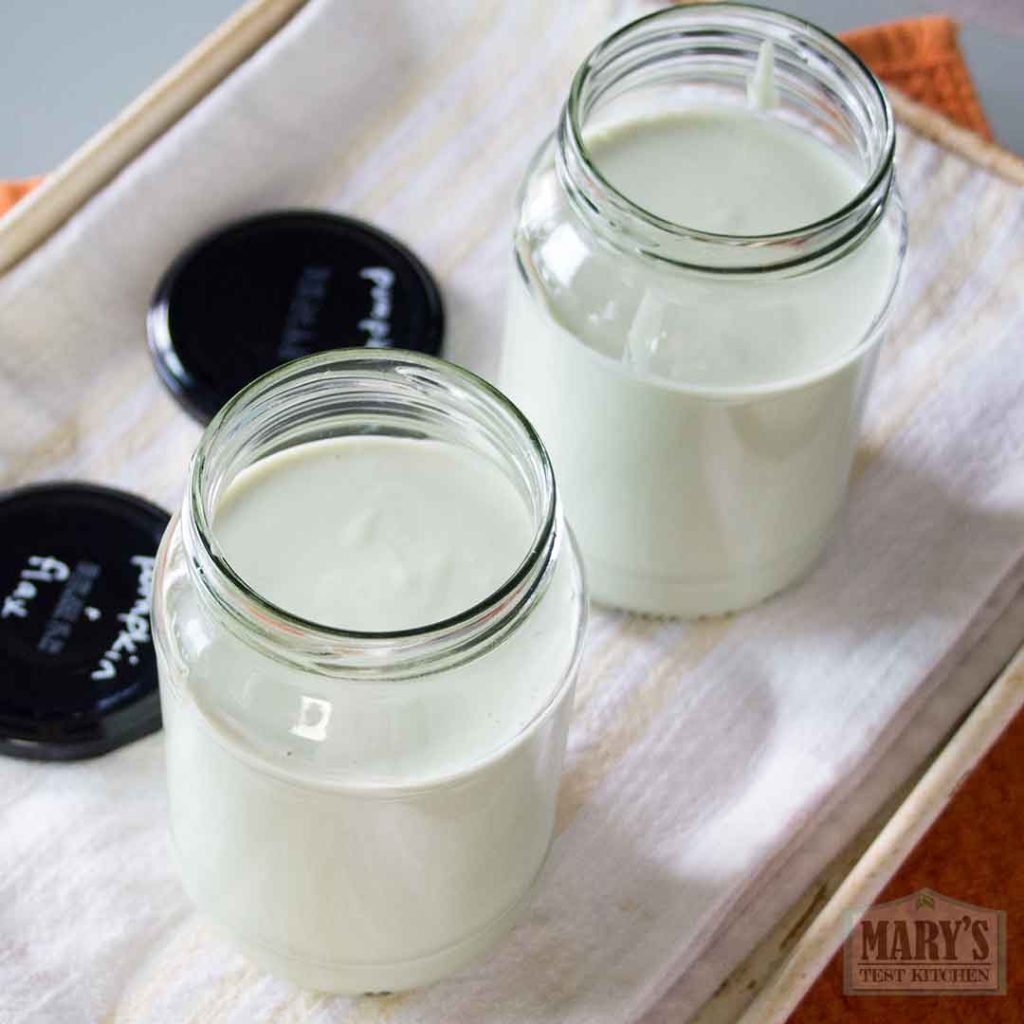
Each batch produced a little over 475 ml (about 2 cups) of yogurt and used 136 g of raw pumpkin seeds plus vegan starter culture.
At the prices I used for this experiment, the plain pumpkin seed yogurt cost about $5 CAD per batch of 2 cups.
The winning flax version cost about $5.10 CAD, including the flaxseed and starter culture.
That’s roughly $3.72 USD at the exchange rate I used for the video.
So this definitely isn’t the cheapest homemade vegan yogurt. But if you already have pumpkin seeds and a vegan yogurt starter on hand, it’s an interesting way to make something completely different.
So, will pumpkin seeds yogurt?
Yes!
Pumpkin seed milk can be fermented into a rich, creamy vegan yogurt. It takes a little more patience than some other plant milks, and the flavor is more subtle than a traditional yogurt, but the flax version was genuinely delicious.
The experiment also left me with plenty of questions.
I suspect that mixing the flax, chia, or oat gels separately before combining them with the pumpkin seed milk could make the straining process much easier. And there are definitely more variations worth testing.
For now, though, I’m calling this one a success.
Pumpkin seeds will yogurt. 🎃🌱
Recreate the winning pumpkin seed yogurt
Pumpkin Seed Yogurt
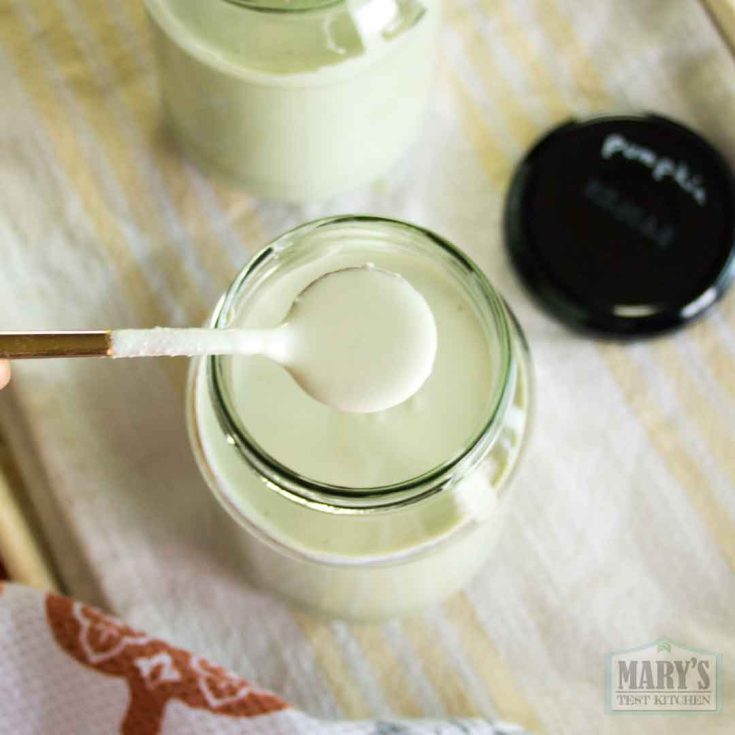
Rich, creamy vegan yogurt made from pumpkin seeds! For a silkier texture, add golden flax seeds.
Ingredients
- 275 grams raw hulless pumpkin seeds (just over 2 US cups)
- 1 package vegan yogurt starter (designed for maximum 2L of plant-based milk)
- 1 L water, plus more for soaking
Equipment
- Blender
- Nut milk bag
- Glass container for fermentation
- Temperature-controlled warm environment for fermentation (Instant pot, dehydrator, yogurt maker, etc)
- Thermometer
Instructions
Before You Start
Because we're fermenting, cleanliness is especially important. Sterilize equipment before starting. I used a combinations of boiling water and vinegar methods.
Method
1. Soak the pumpkin seeds
Hot-soak 275 g raw pumpkin seeds in plenty of water for 1–2 hours, until the seeds have rehydrated. Or soak in cold water overnight in the fridge.
2. Blend the pumpkin seed milk
Drain the rehydrated pumpkin seeds and add them to a high-speed blender with 4 US cups (or 950ml) water.
For the silkier Flax option, add 40 grams golden flax seeds.
Blend on high for about 30 seconds, until the seeds are thoroughly pulverized.
Strain the mixture through a nut milk bag to make pumpkin seed milk.
3. Heat the milk
Heat the pumpkin seed milk to 180°F (82°C) and hold it there for 5 minutes. The pumpkin seed milk will naturally coagulate as it heats.
4. Blend again
Transfer the cooked curds and whey to a high-speed blender and blend until completely smooth and creamy.
5. Cool and add the starter
Transfer the blended pumpkin seed mixture to a sterilized container. Allow it to cool to approximately 100°F (38°C), then mix in the vegan yogurt starter culture. Note: If you're using an Instant Pot, you can pour the mixture directly in the liner.
6. Ferment
Keep the yogurt warm 100°F (38°C) and check it after 8 hours to 12 hours. Once it has developed a tangy flavor and the desired consistency, transfer it to the refrigerator to chill.
Notes
Separation of homemade yogurt is normal. Just stir it to re-combine OR strain it to make thicker Greek-style yogurt.