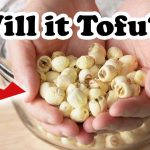
Will Tiger Nuts make tofu? I highly doubted it but viewers kept requesting this unlikely experiment! Eventually, one of you caught me on a good day. And they were on sale.

Despite the name, tiger nuts aren’t nuts and they have nothing to do with tigers. They’re the small, wrinkled tubers of a sedge plant (Cyperus esculentus), grown underground like potatoes. And, as many of you chimed in, have different names in different places. You might know them as chufa, earth almonds and yellow sedgenut.
Their history runs deep. Ancient Egyptians ate them as a snack and they’re still a staple across parts of Africa, the Middle East, and Southern Europe. As viewers echoed in a community post, they’re the star of horchata de chufa, the sweet, milky drink from Valencia, Spain. In West Africa they’re a beloved snack; in Ghana, they’re called atadwe, and they turn up in a traditional rice pudding.
Nutritionally, they sit somewhere between a root vegetable and a nut. They’re higher in fat than your usual tuber, with impressive amounts of iron and potassium but not much protein. And that low protein is exactly why I’d put off this experiment for years.
Why (or Why not) Tiger Nuts?
You’ve been requesting this one for ages, and I kept hesitating. Protein is the whole game in the “Will it Tofu?” series. You need enough of it for milk to coagulate into curds, and tiger nuts barely have any. On top of that, they’re famously high in resistant starch, which can wreck coagulation. This one looked like a losing bet on paper.
But you caught me on a good day, and I found a bag on Amazon for twelve bucks. Sometimes you just have to try.
The Experiment
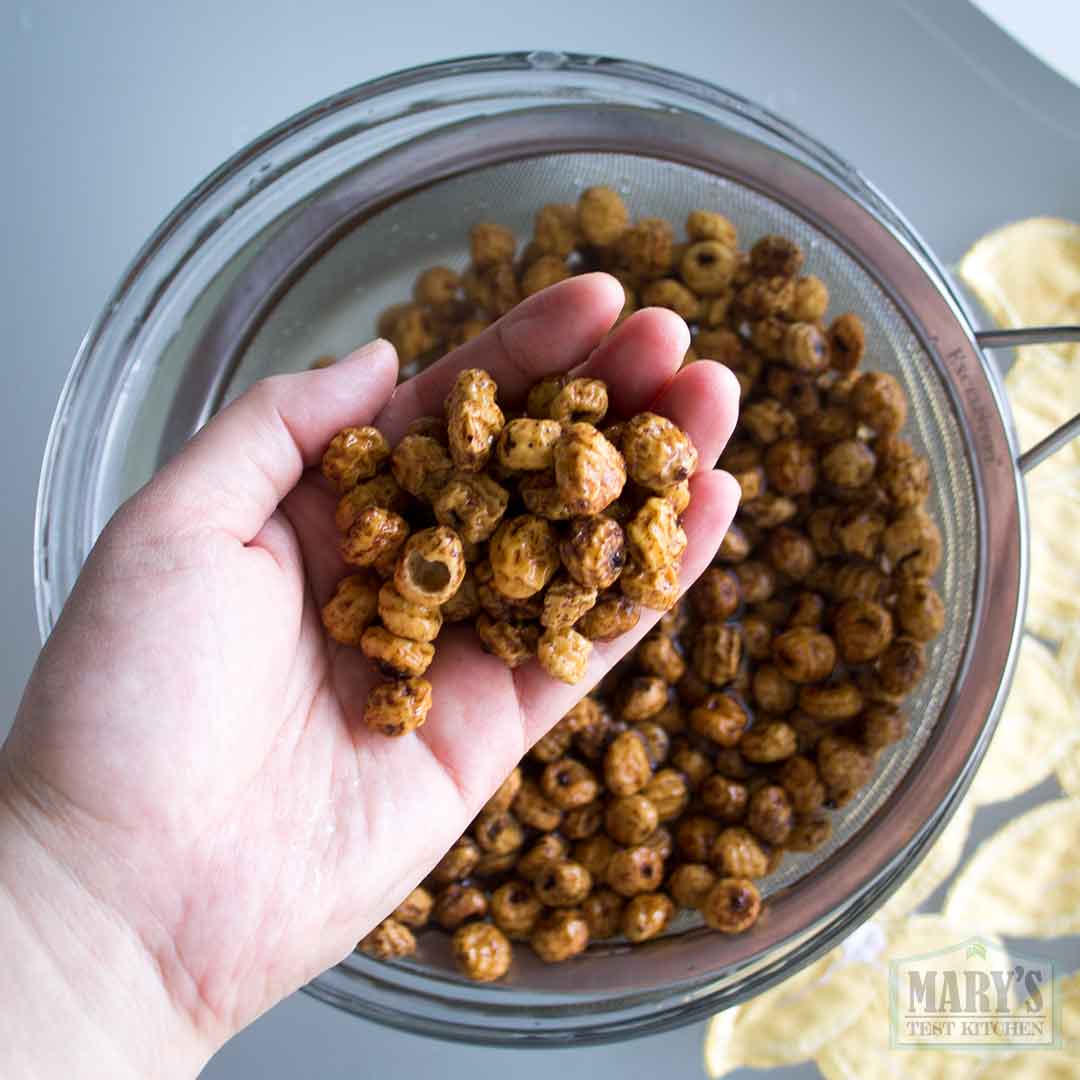
First I rehydrated a 450 grams (a few grams short of a pound) of wrinkly dried tiger nuts in the fridge overnight.
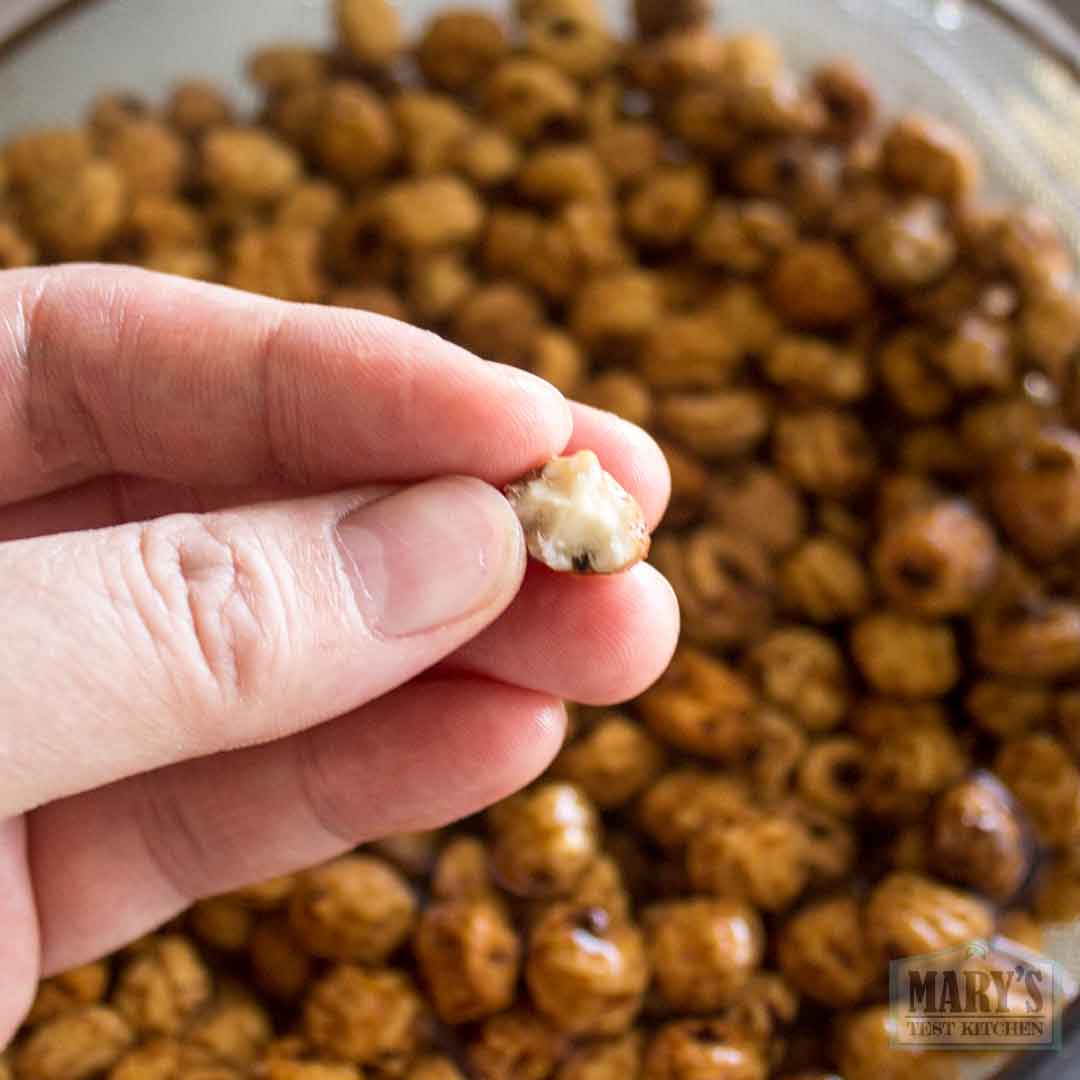
They soak up surprisingly little water (only 96ml), and when I finally tasted one, I got an unexpected hit of sweet, cereal-like flavour. It was somewhere between vanilla and caramel, with the texture of coconut meat that never quite breaks down enough to swallow comfortably.
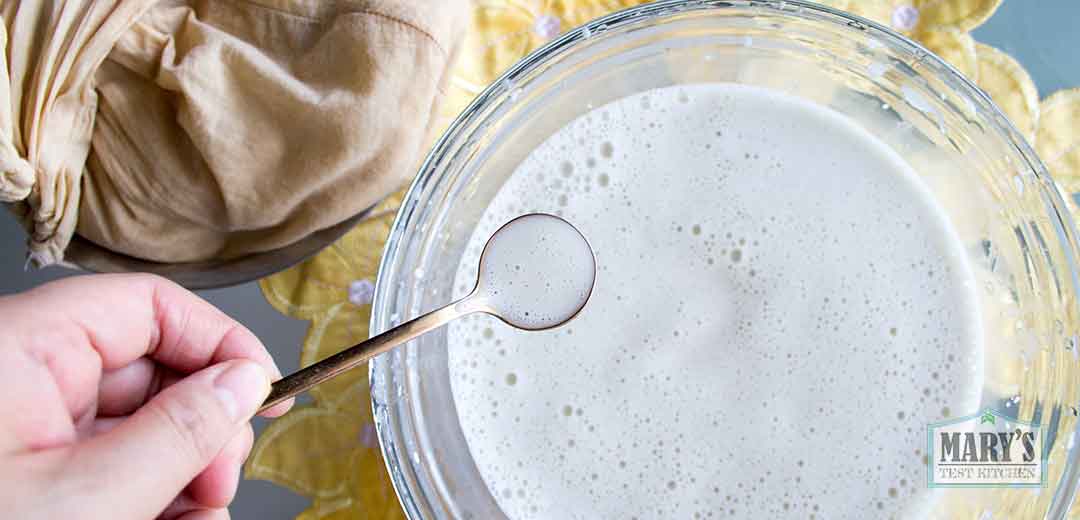
From there, it was time to make milk. The blending was easy; the fibres practically handed over their liquid. That left me with a big bag of tiger nut pulp and a bowl of surprisingly sweet, strangely dairy-like milk.
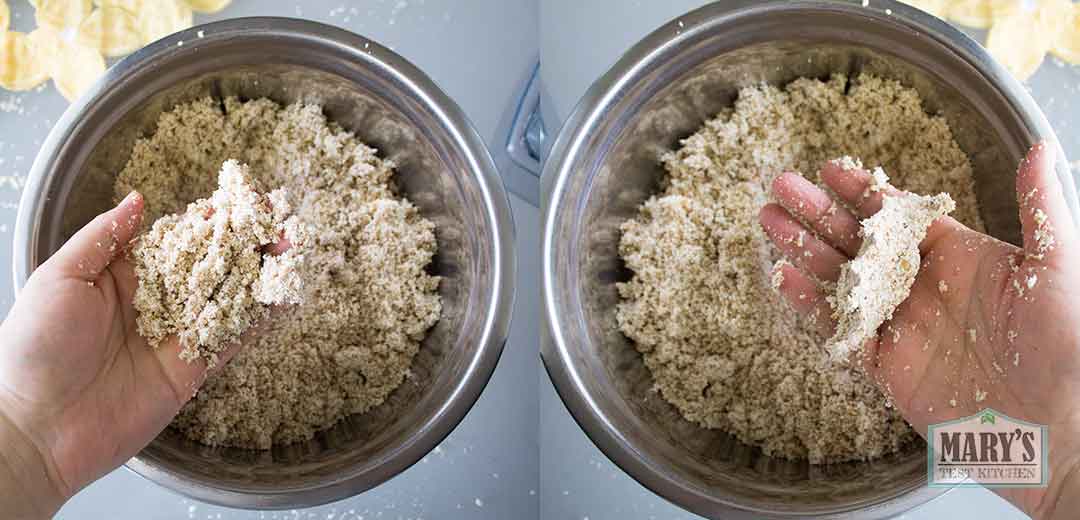
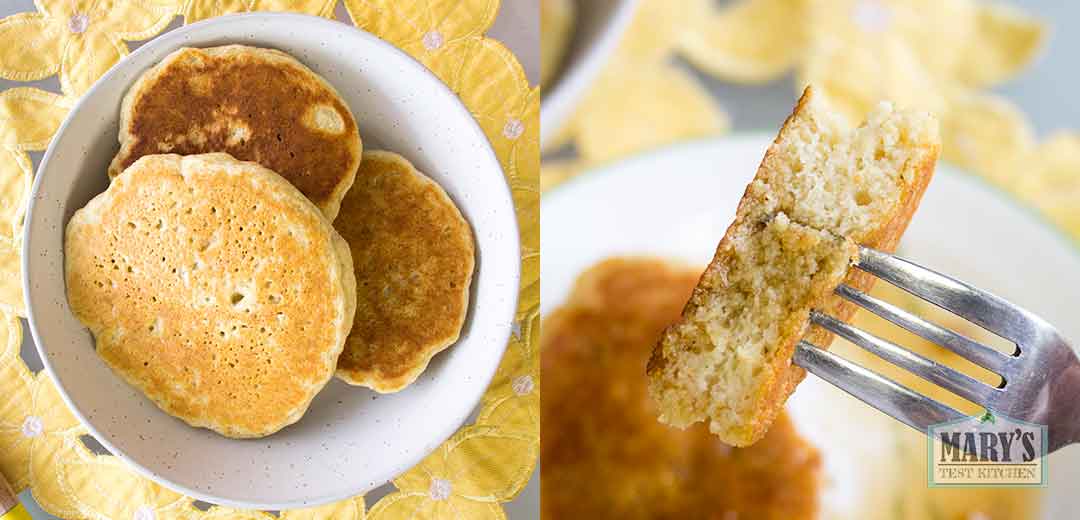
The pulp went into a batch of my fluffy flax pancakes; a small ratio at first, because in this economy I wasn’t about to gamble a whole batch on an unknown.
Back to the milk, first I tried the most simple method for separating the starch within. If you’ve watched Will it Tofu? before, you’ll know that excess can starch interfere with coagulation.
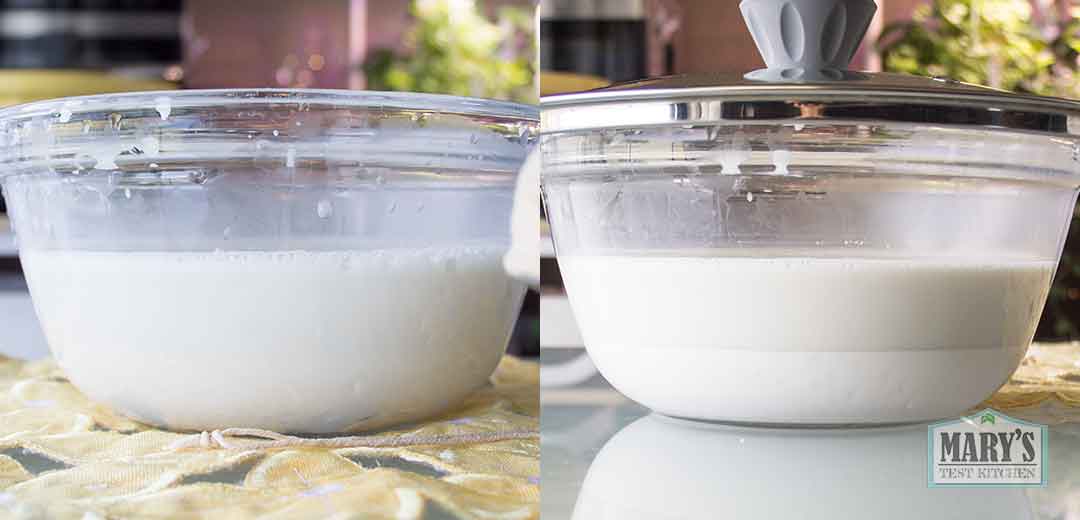
After an hour, layers appeared. Unfortunately, the starch was still suspended in that bottom layer and was not easily separated.
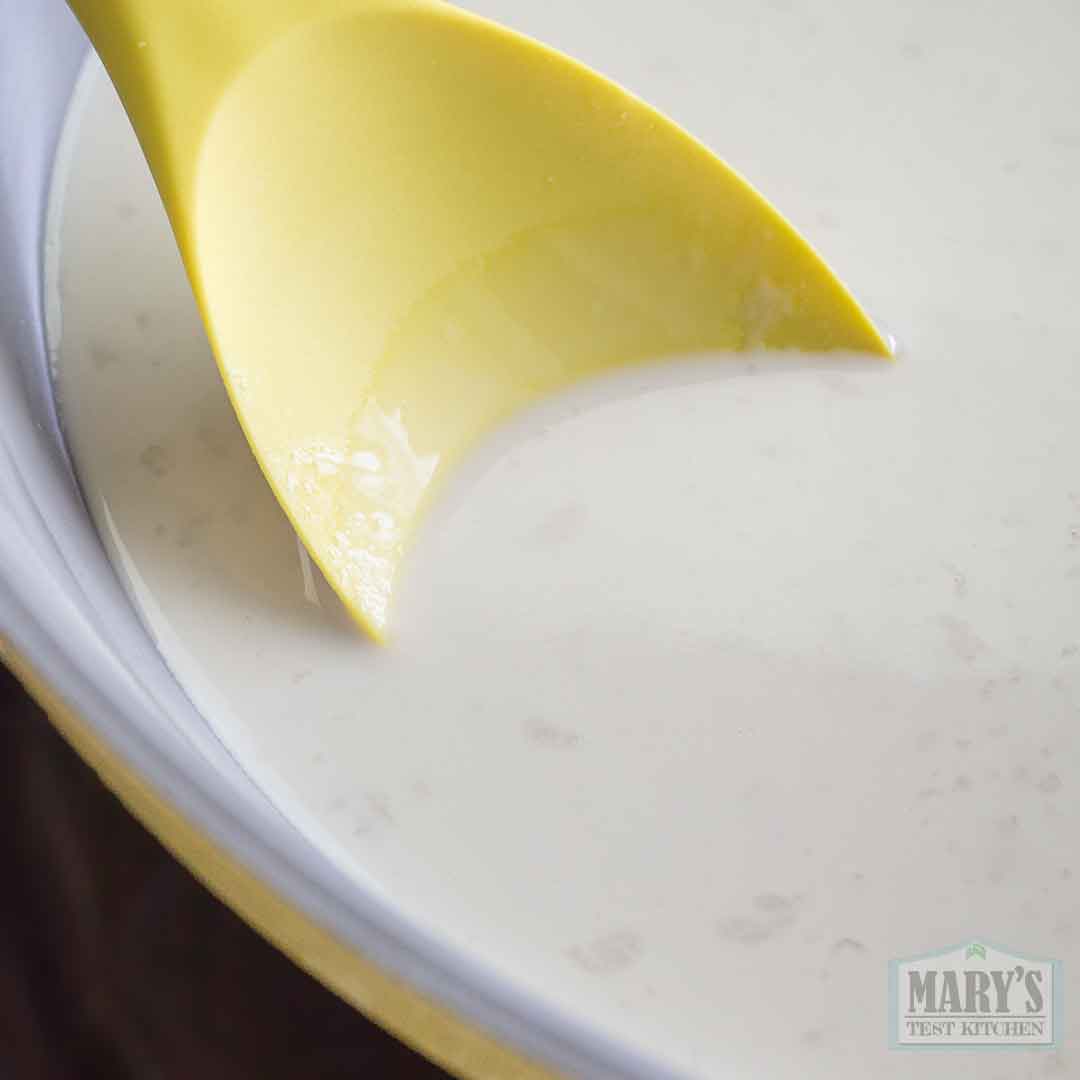
So I brought out Amylase Enzyme to do the job.
Did it become tofu? You’ll have to watch the video to find out.
What I can tell you is that win or lose, it was a genuinely fun experiment! And genuinely delicious 🙂