Black sesame is nutty, aromatic, rich, and packed with protein. So naturally, I had to ask: Will it Cheese?! In this experiment, I turn black sesame into milk, coagulate and inoculate it, press and age in two stages to discover what flavors and textures will evolve. Plus use the leftover fiber-rich black sesame pulp for both sweet and savory recipes!
First Impressions: Bitter, Nutty, and Promising
Black sesame seeds are nutty, aromatic, rich, and packed with protein, which makes them a compelling candidate for turning into cheese. Tasting them raw reveals a crunchy texture with a tahini-like nuttiness and a mild, refreshing bitterness reminiscent of black tea rather than anything harsh or unpleasant.
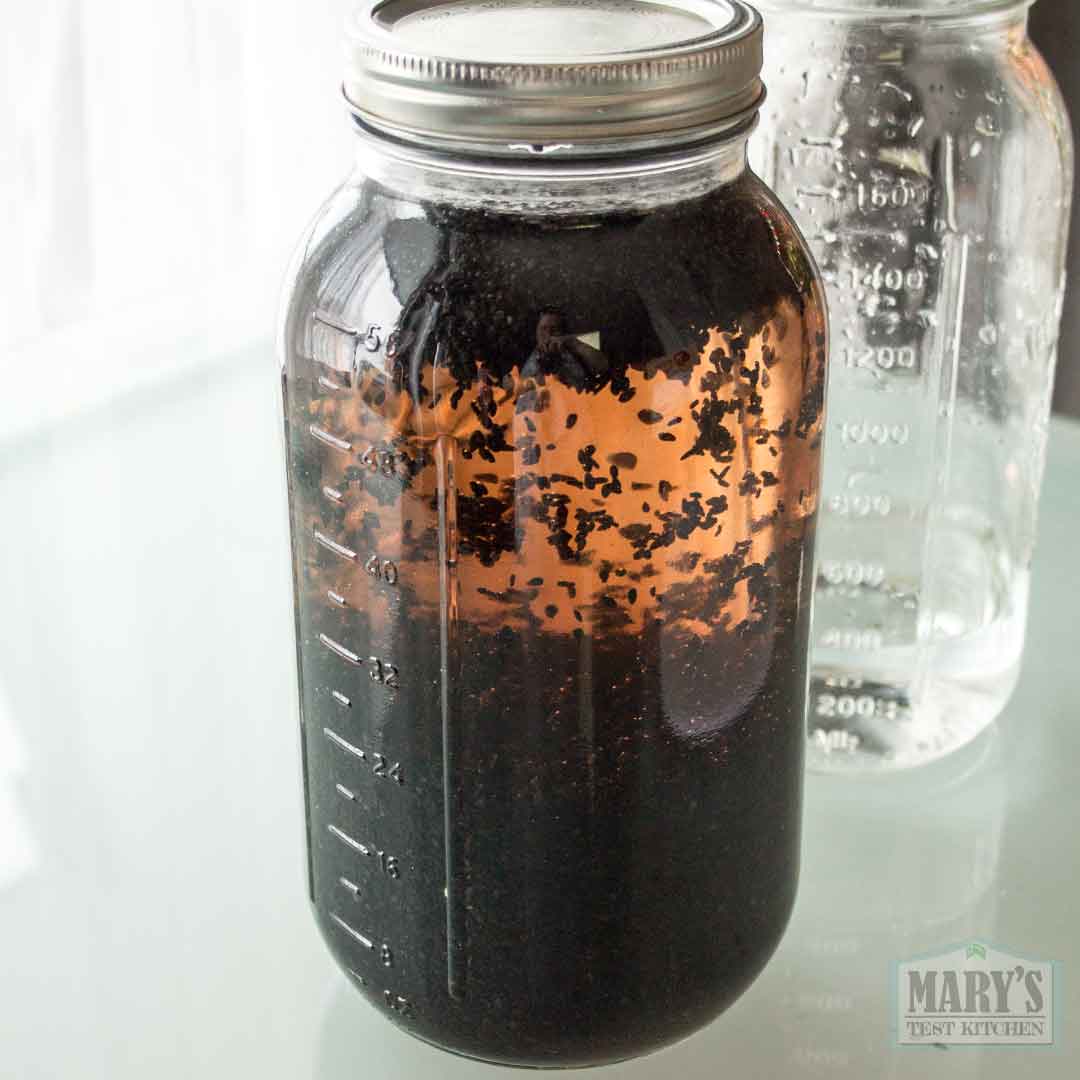
There’s also a subtle earthy aroma, almost like sweet decaying leaves, but in a surprisingly pleasant way. Nutritionally, they’re impressive too, offering protein along with iron, calcium, and potassium. The biggest question going into this experiment was whether that bitterness would interfere with fermentation.
Black Sesame Nutrition (from Yupik label)
- Per 1.4 cup (35g)
- Calories 200
- Fat 18g (2.5g saturated)
- Total Carbohydrates 8g (4g from fiber, 0g sugar)
- Protein 6g
- Potassium 175mg (4% RDA)
- Calcium 450mg (41% RDA)
- Iron 5mg (28% RDA)
Soaking and Blending
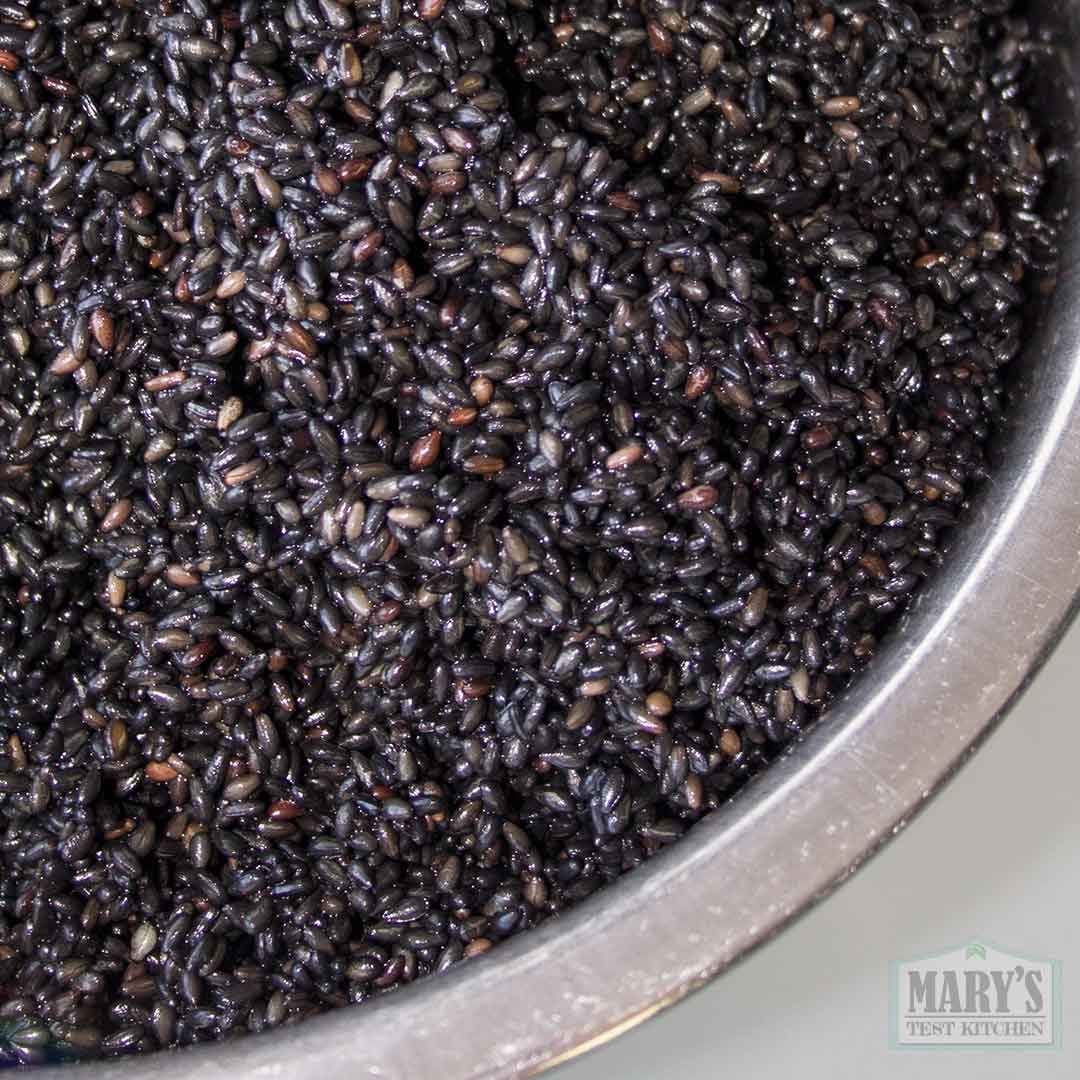
After soaking overnight, the sesame seeds doubled in weight, fully hydrating and softening for blending.
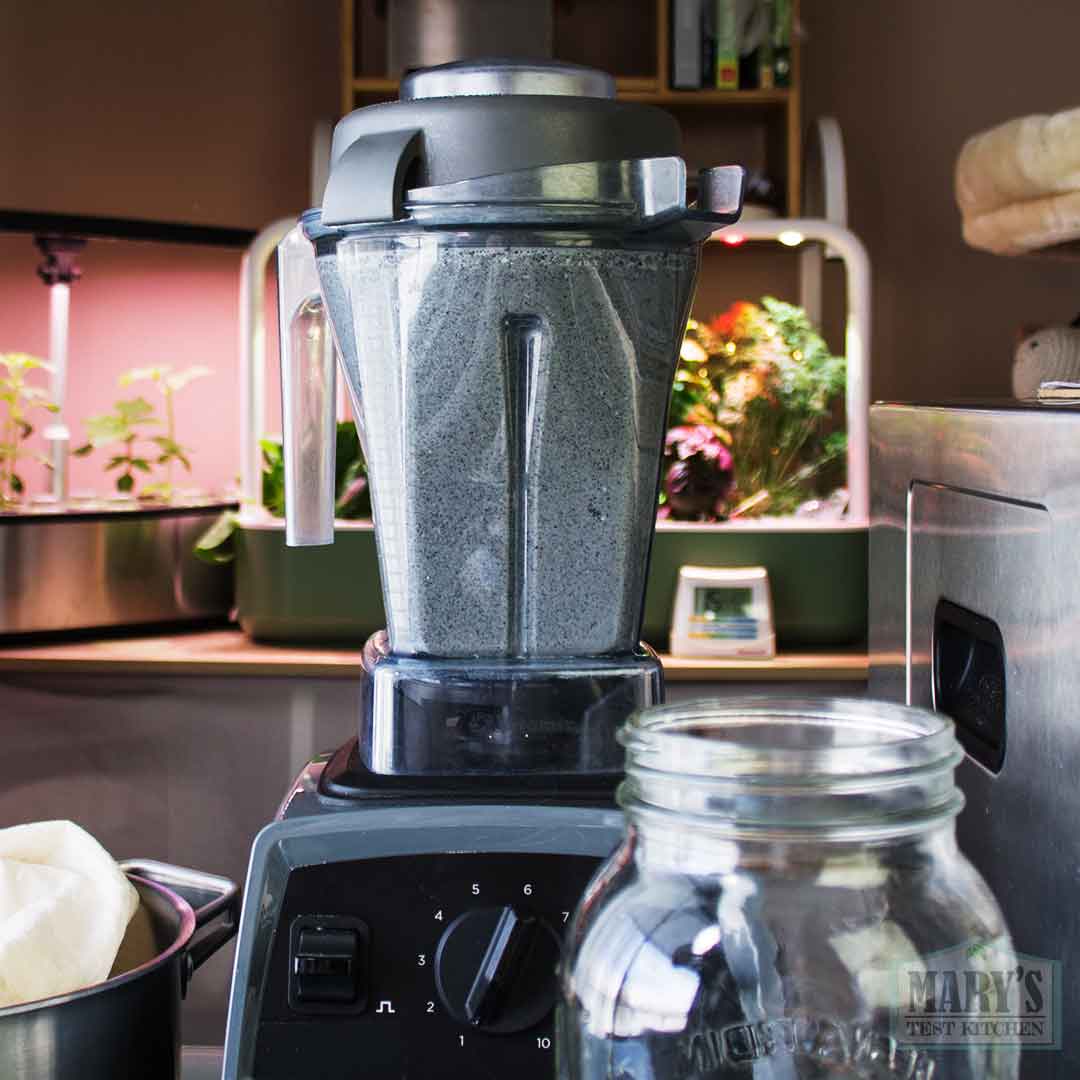
Working in batches, I blended them with about twice their volume in water and strained the mixture into a milk, yielding just over two liters. The resulting black sesame milk had a strong personality: bitterness hits first, followed by a distinct sesame flavor and a slightly buttery finish. It was bold, but not unpleasant.
Heating and Curdling
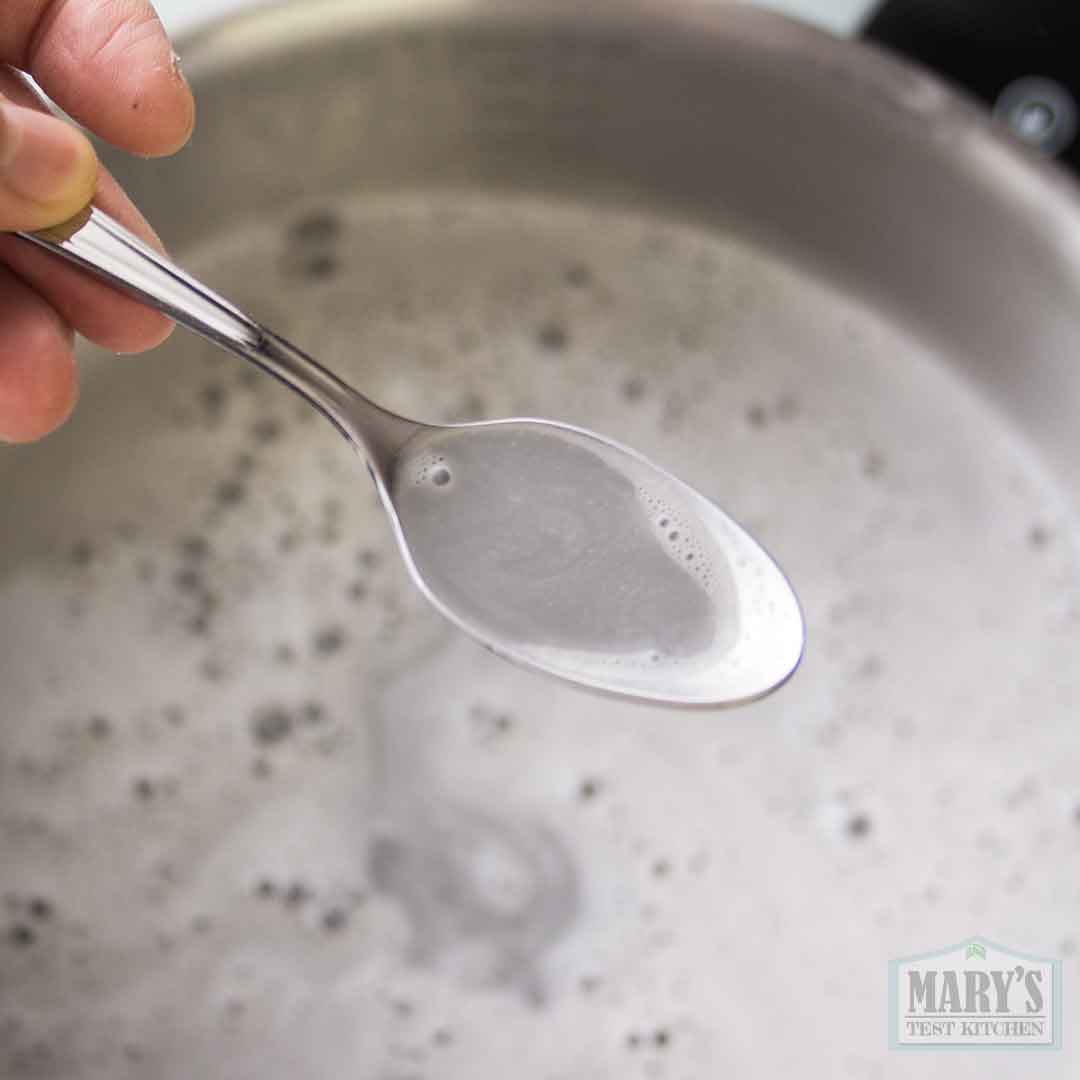
As the milk heated, a nutty aroma filled the air and small droplets of oil began to form on the surface. Before even reaching a simmer, separation started to occur.
While boiling and stirring for about ten minutes, the curds clumped together.
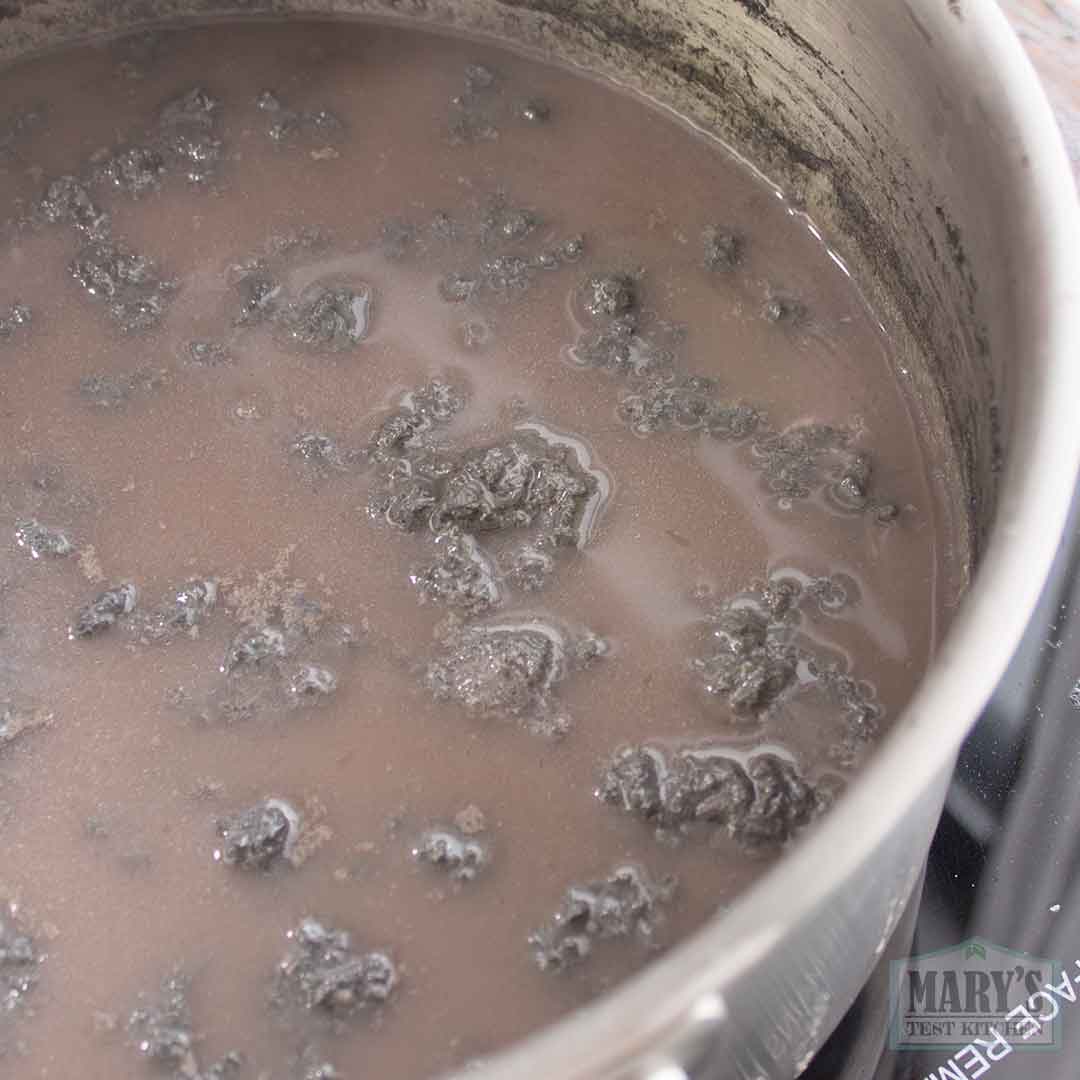
I don’t know about you but I did NOT want to taste test that! The visual was off-putting to say the least. But the aroma was still nutty black sesame.
And upon tasting, the flavor was as well. The nuttiness was actually more pronounced but the bitterness was as well. The texture was challenging to say the least. Soft and melt-in-the-mouth with chewier, dense curds woven throughout.
Inoculation
Once cooled to about 100°F, I added three vegan probiotic capsules (15 billion CFU’s each); simply opening the capsules and stirring in the powdery contents. Then I transferred the inoculated curds and whey into mason jars, added lids and placed them in my warm dehydrator to incubate for 24 hours.
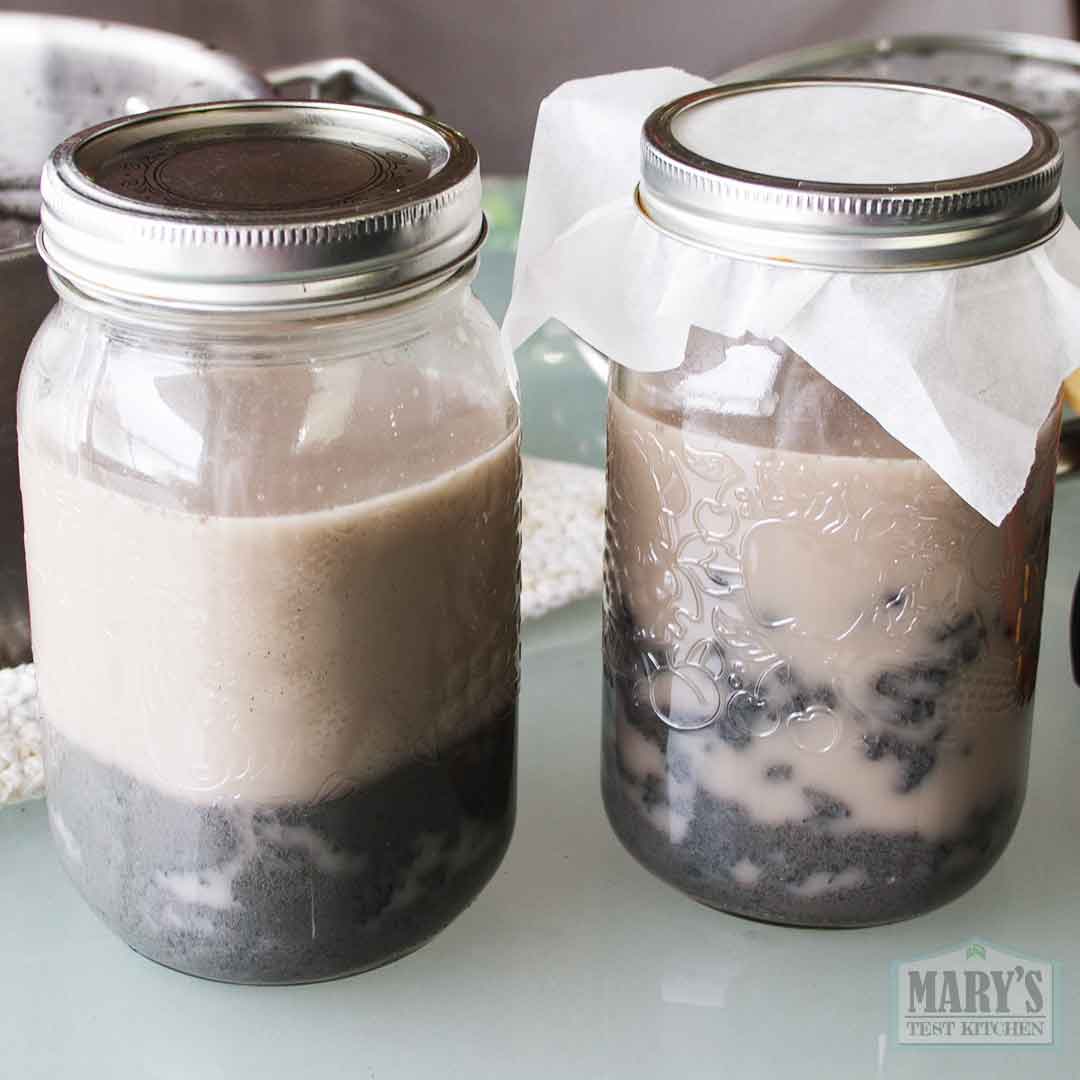
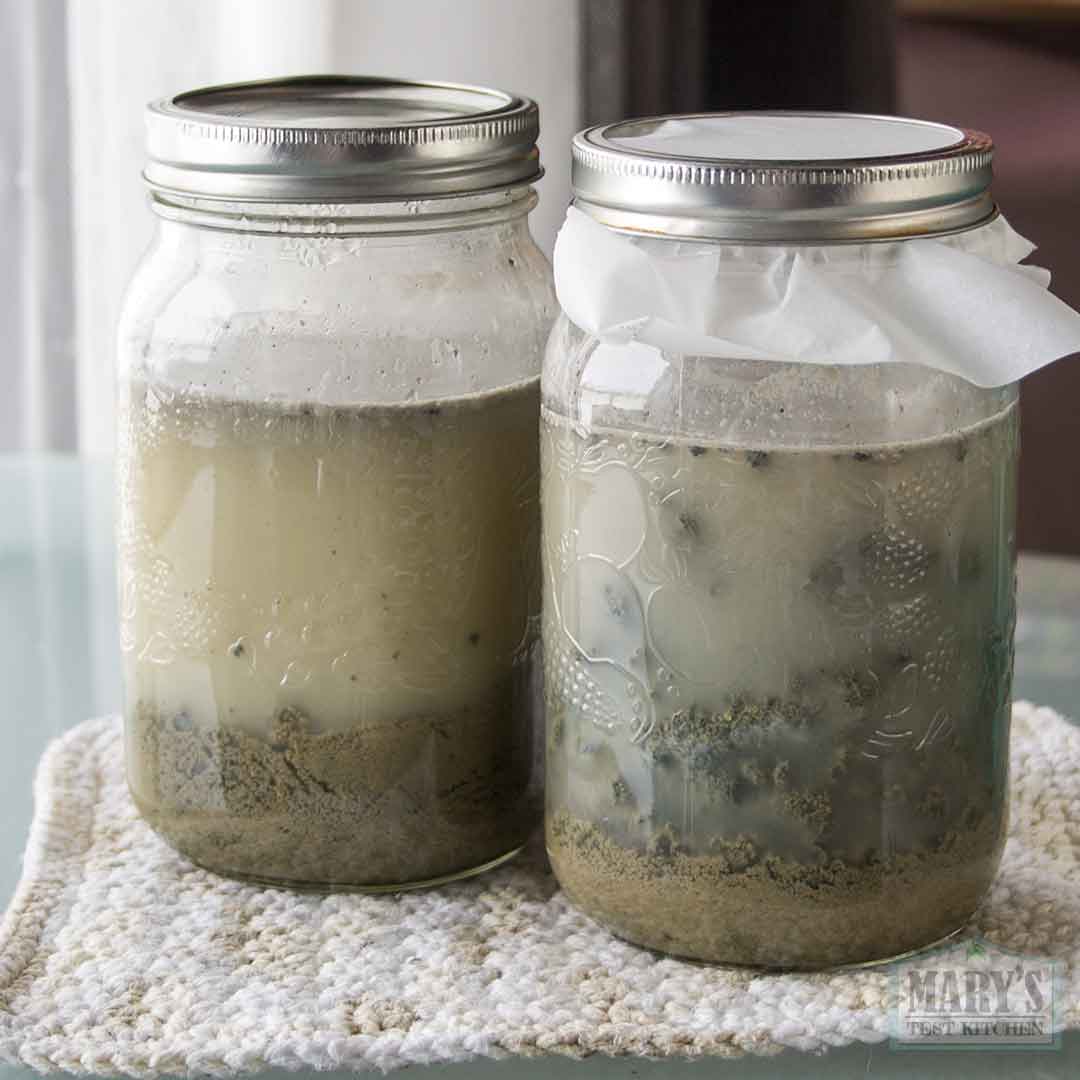
The next day, the transformation was already visually noticeable. In addition to the color change, the liquid had developed a mild tang, just barely approaching yogurt territory. Meanwhile, while the sesame flavor remained dominant with a hint of lingering bitterness. The texture was split between creamy curds and stringy, fibrous bits. Very unappealing to look at but the flavor was clean, nutty and more balanced than expected.
Using the Leftover Pulp
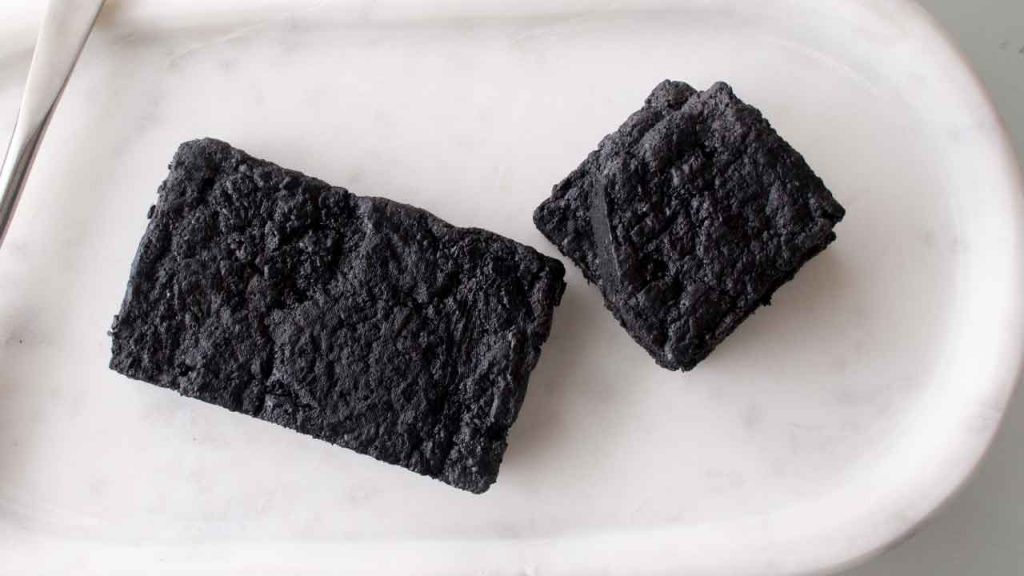
This process produces a significant amount of leftover sesame pulp, so instead of discarding it, I experimented with turning it into something useful. First, I made a sweet loaf using vegan butter, flax as a binder, sugar, and vanilla. The result was surprisingly good, with a deep sesame aroma, a soft cake-like interior, and chewy edges reminiscent of a brownie. The bitterness was completely eliminated by the sweetness, making it a delicious snack to pair with coffee or tea.
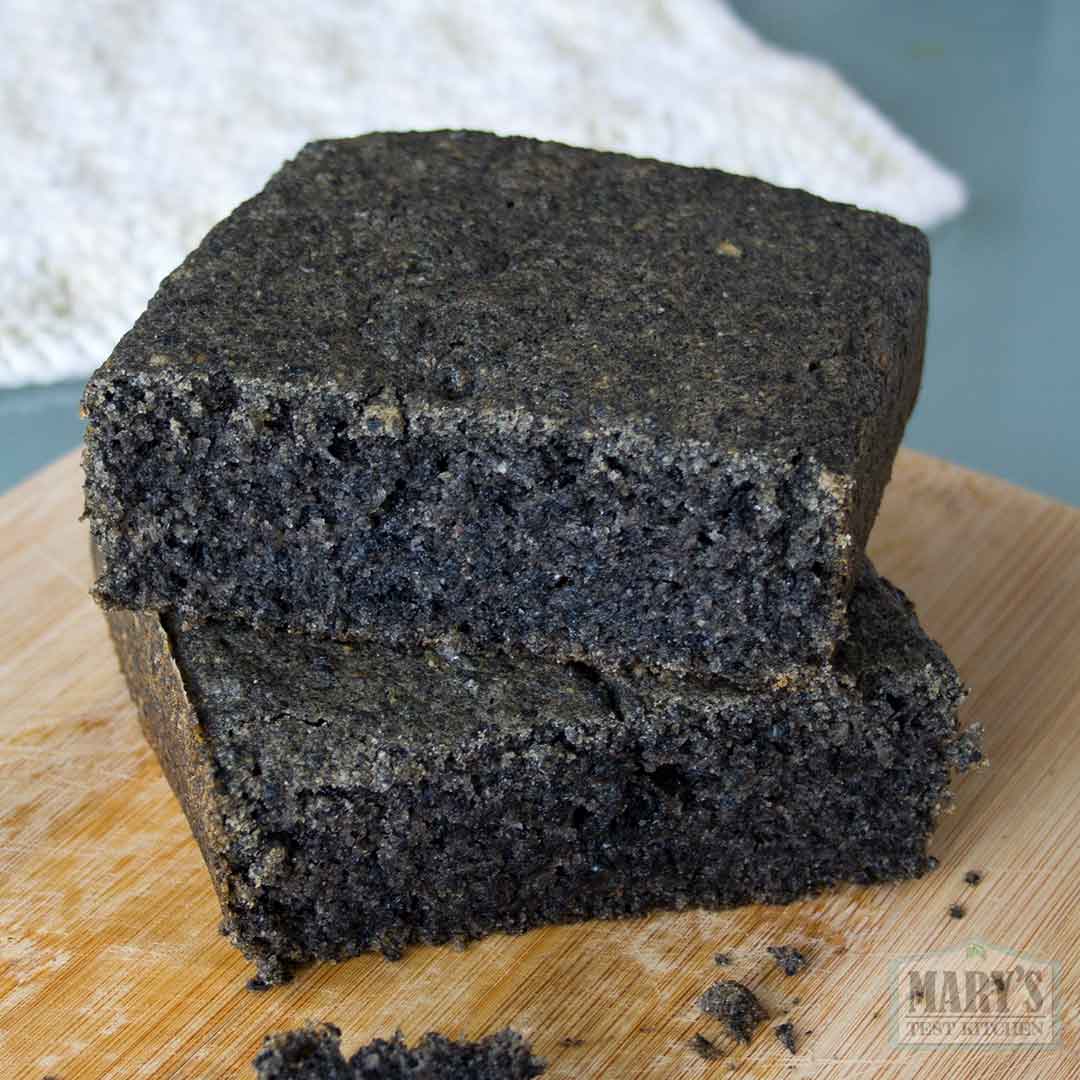
I’ve only made this once so I hesitate to put out an official recipe. But if you find yourself with a bunch of leftover black sesame pulp, you could follow what I did.
BLACK SESAME PULP LOAF (tested only once, unofficial recipe)
Preheat oven to 350°F. Then in a large mixing bowl, cream together 110g of softened vegan butter with 170g of sugar until fluffy. Then add 118ml water, 2 tbsp ground flax seeds, 1/2 tsp salt, 1 tsp of vanilla, 1/4 tsp ground nutmeg. Combine with immersion blender. Add 125g of AP flour and 128g of black sesame pulp. Sprinkle over 1.5 tsp of baking powder. Fold together until no bit streaks remain in the batter. Transfer to a parchment-lined loaf pan and bake at 350°F for 30 minutes or until it reaches 200°F internal temperature.
I also used the pulp in a savory application by incorporating it into garlic basil rolls. Combined with fresh herbs, vegan butter, and a lightly sweet maple glaze, the rolls baked up soft and aromatic. The black sesame filling is slightly crumbly but still moist, with a balanced flavor that leaned savory and herbaceous with just a hint of sweetness. The sesame pulp worked well here, adding nutty depth without overpowering the rolls.
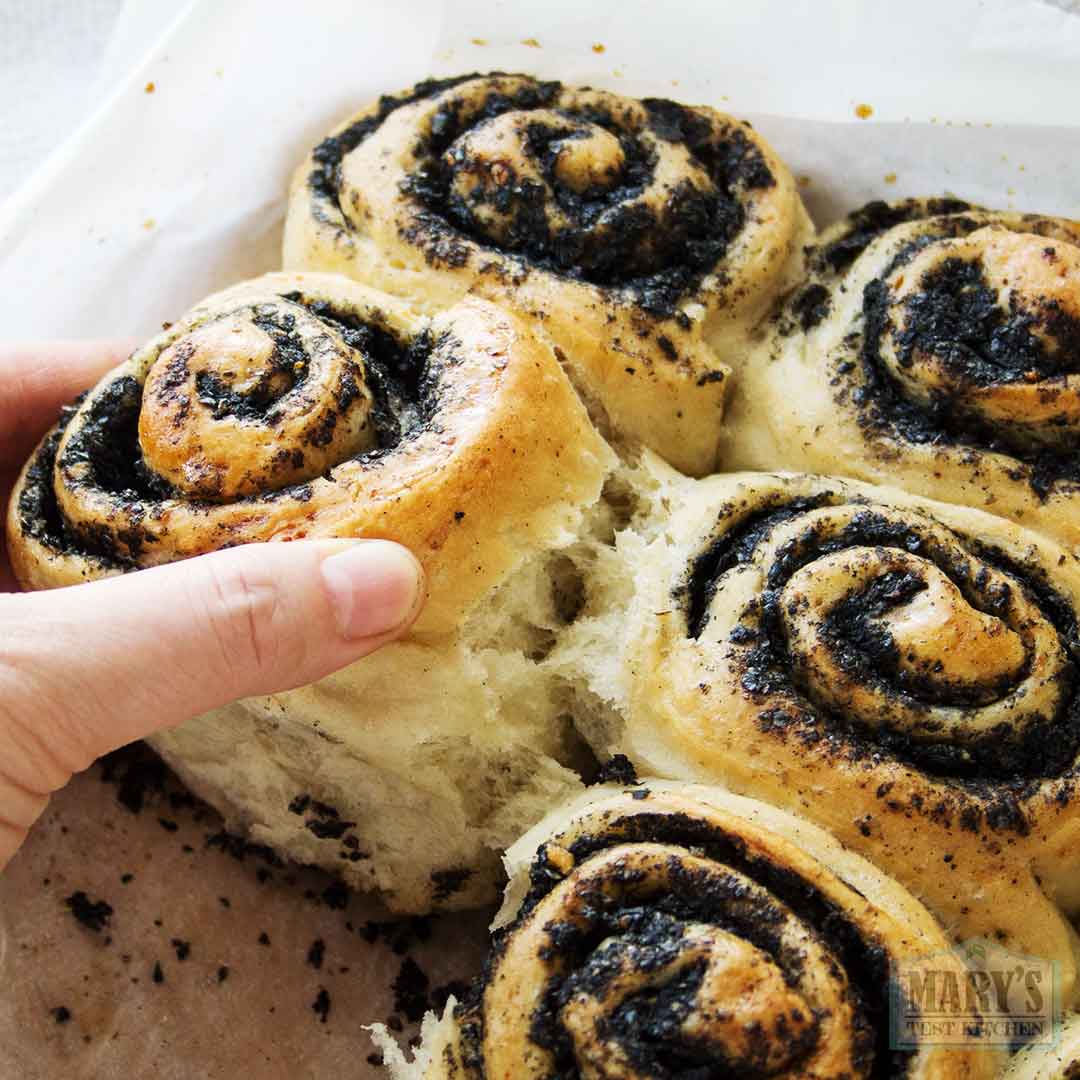
BLACK SESAME PULP GARLIC & BASIL ROLLS (tested only once, unofficial recipe)
For cashew milk: blend 300ml warm water with 2 tbsp cashew pieces. Set aside.
For dough: Mix dry ingredients (450g AP flour, 2 tsp instant yeast, 2 tsp sugar, 1/2 tsp salt), then stir in cashew milk. Knead until cohesive rough dough. Cover and rest for 45 minutes.
For filling: soften 3 tbsp vegan butter and cream together with 1 cup black sesame pulp, a few minced cloves of garlic, 6g of chopped basil, and 3/4 tsp salt. After the dough has proofed 45 minutes, flatten it to remove gas, tuck in the edges and roll out into a large rectangle. I rolled it out to about 50 cm x 25 cm. Crumble the filling over top, then use a spatula to smooth it out while leaving one of the long edges of dough uncovered. Roll up from one long side towards the uncovered side. Then cut pieces to match the height of your baking dish. Transfer the pieces to your parchment-lined baking dish and cover with a clean, damp kitchen towel. Let rise for 60 minutes or until doubled in size. Preheat your oven to 350°F. Mix 1 teaspoon maple syrup with 2 teaspoons water. Brush over the risen rolls. Then bake at 350°F for 40 minutes or until the tops are nicely golden brown.
Pressing the Cheese
The fermented curds were transferred into a tofu press and left to drain.
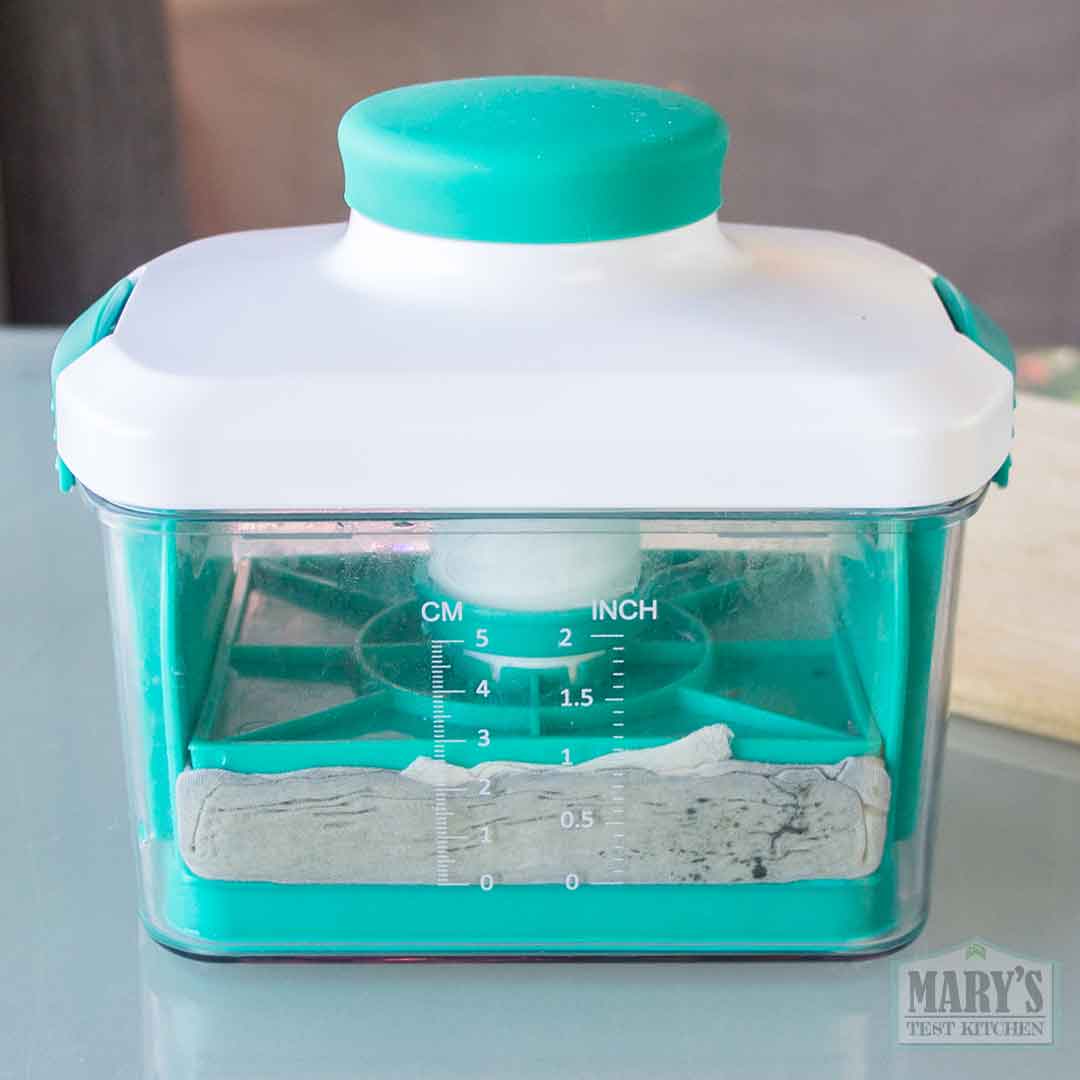
Even after pressing, the texture remained soft and slightly clay-like.
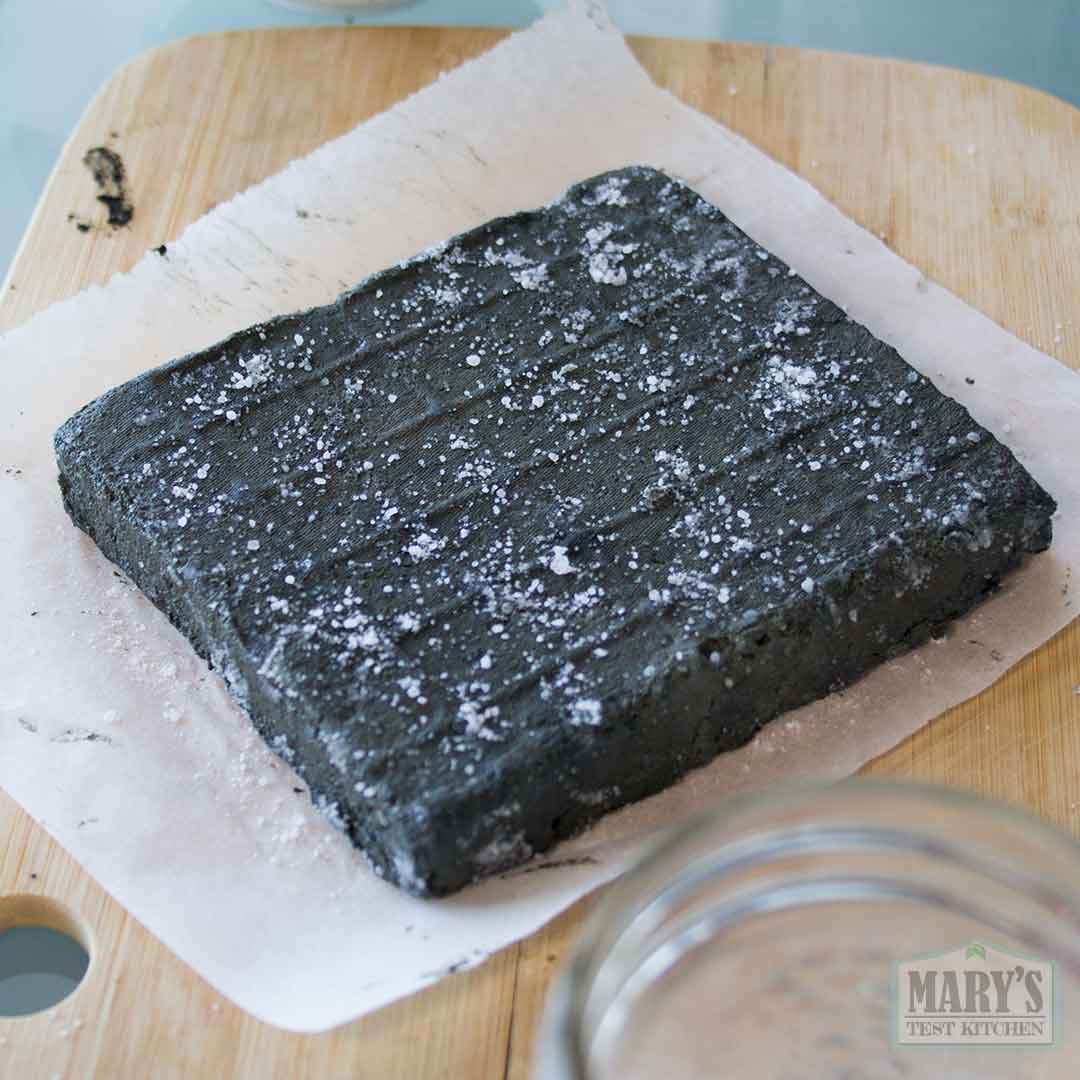
Once salted at around two percent by weight, the flavor improved significantly. The salt reduced the bitterness and brought out the sesame’s natural nuttiness, making the mixture much more enjoyable.
Aging the Cheese
The cheese was then aged in a dehydrator set at 98°F (but remember, it runs a little warmer so the actual air temp was about 100-103°F).
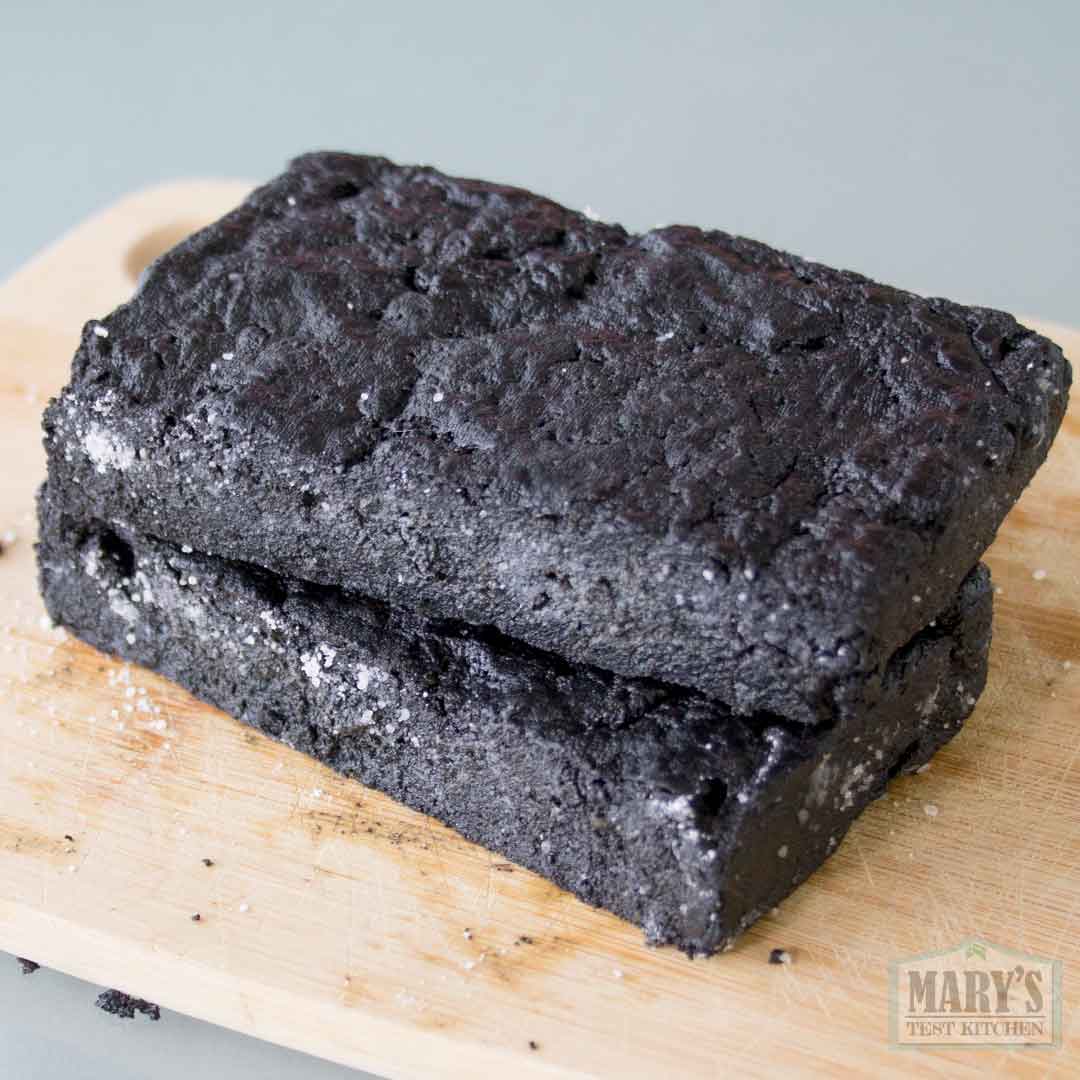
Over time, moisture evaporated, the texture became firmer and more crumbly, and a slight oiliness developed. After 72 hours, I cut into it to taste.
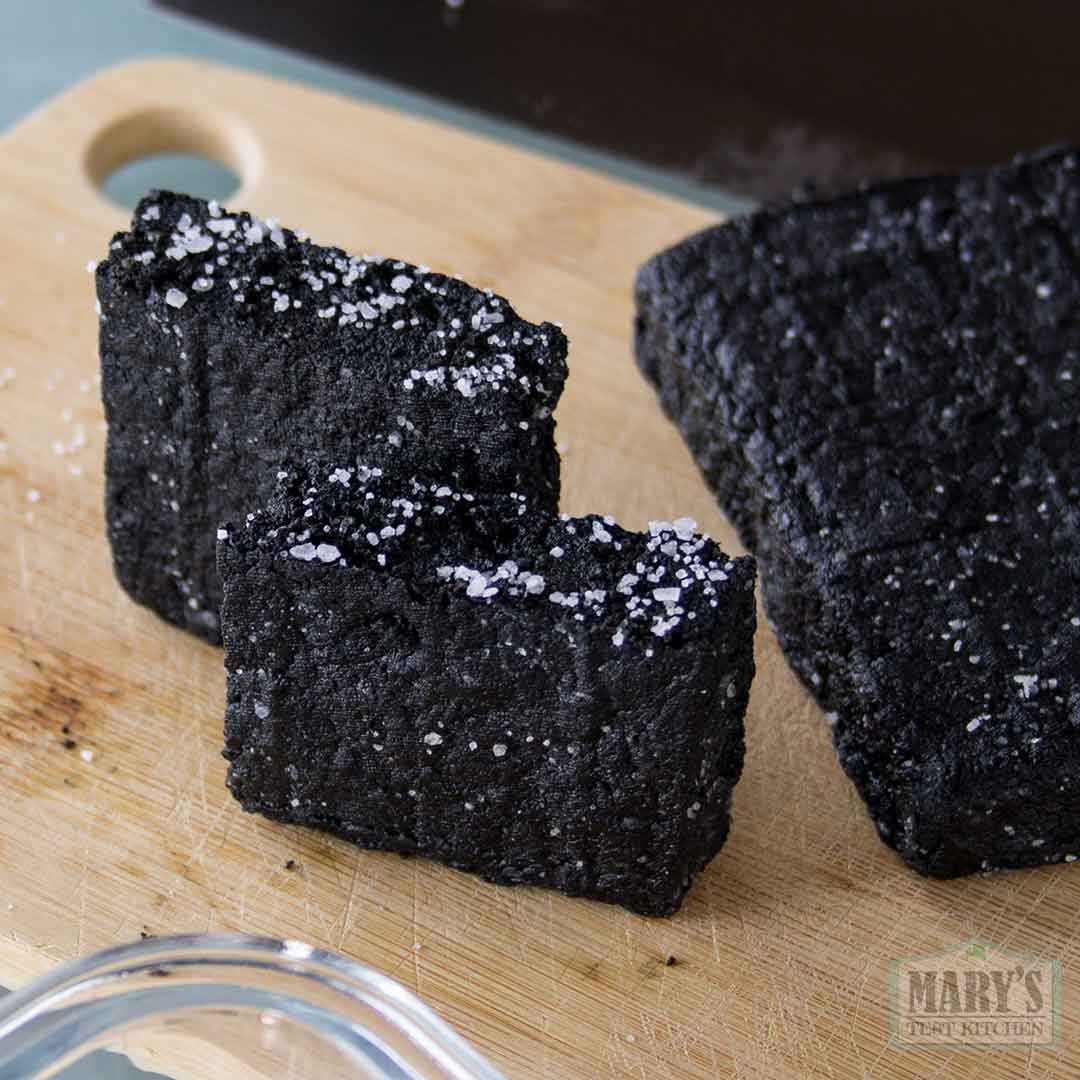
The flavor deepened as well, with the sesame becoming richer and the bitterness mellowing. A subtle fermented note emerged, though it never became particularly strong. I wanted the cheese to be even firmer though. So I put it in a food container, placed in the fridge, for cold fermentation.
Final Result
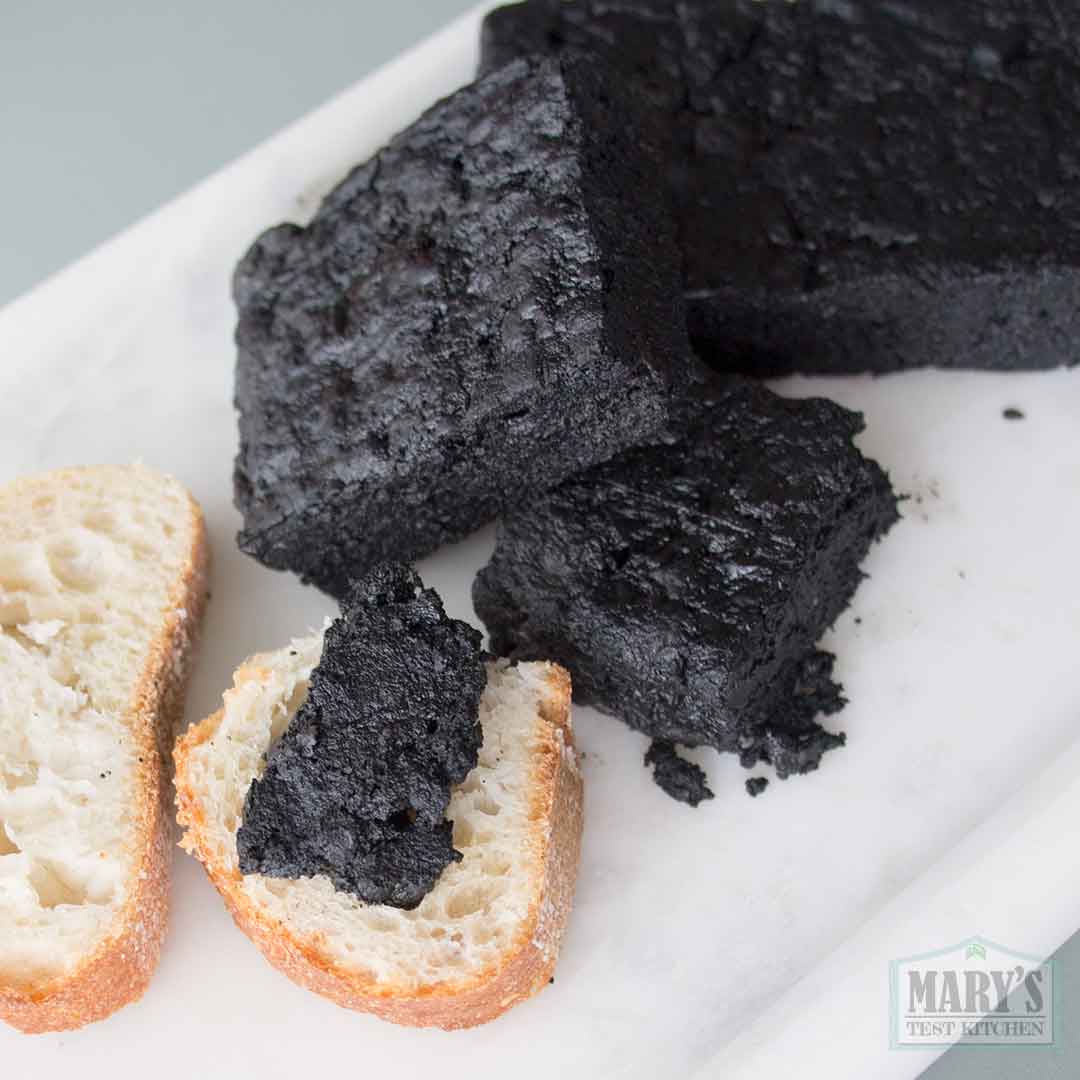
After 11 days in the fridge (17 days for the whole project), the black sesame cheese had transformed into something unique. The texture was dense yet creamy, with some crumbly and slightly chewy elements throughout. The flavor was distinctly sesame-forward, with a mild tang, a touch of bitterness, and a buttery finish. It didn’t replicate dairy cheese, but it didn’t need to. It stood on its own as a rich, nutty, fermented food with its own identity.
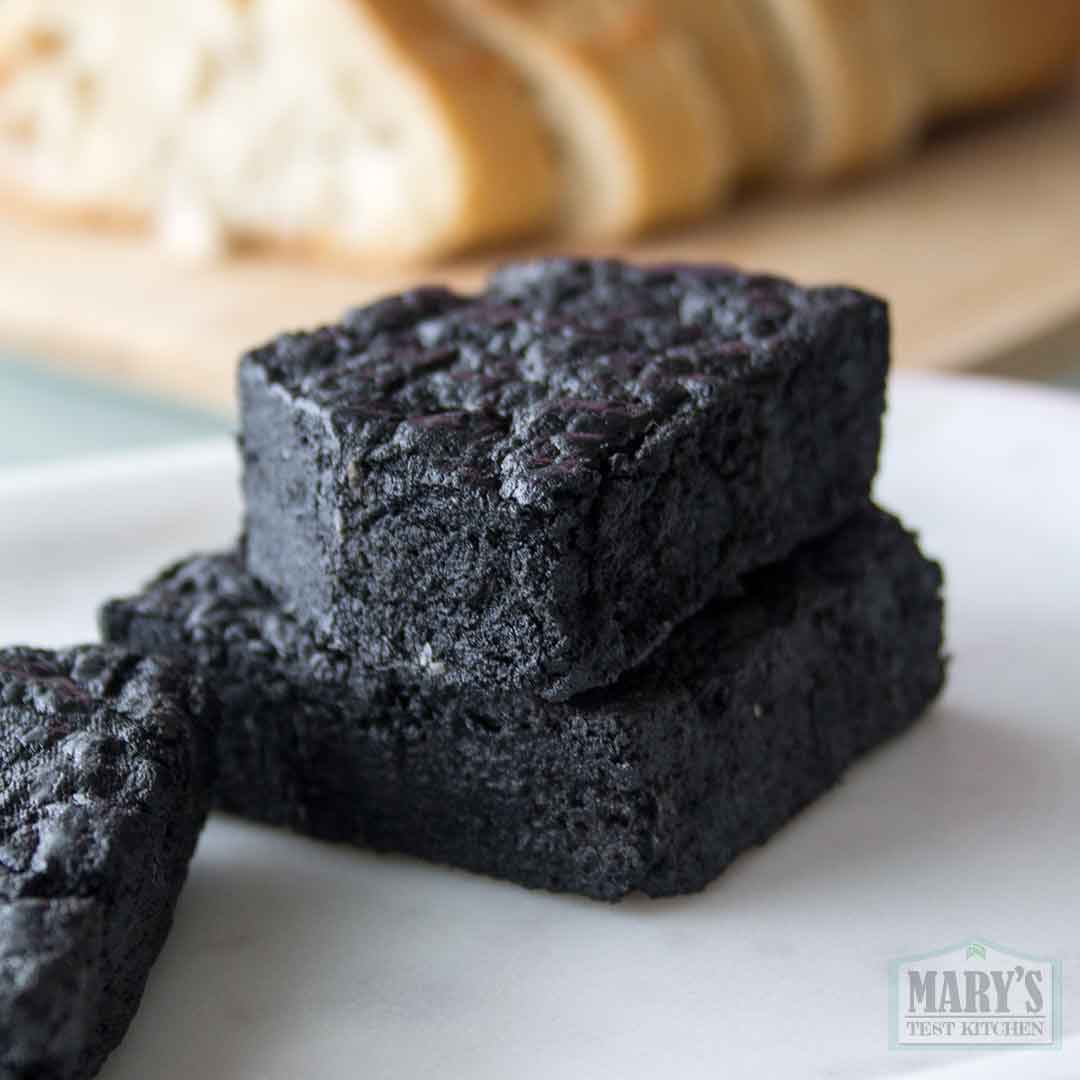
While interesting on its own, the cheese really shines when eaten on bread. The added context enhances its buttery and savory qualities, making it feel more “cheese-like.” It would also work well as part of a cheese board, paired with raw sesame seeds or fresh sesame curds to highlight different stages of the process and contrast textures and flavors.
Cost and Value
From approximately 455 grams of black sesame seeds, the final yield was about 180 grams of cheese. Including the cost of probiotic capsules, this worked out to roughly $7 CAD total, or about $3.94 per 100 grams. Considering the additional products made from the leftover pulp, including the sweet loaf and savory rolls, the overall value is quite good for such a unique experiment.
Final Thoughts
This experiment proved that black sesame can, in fact, be turned into something resembling cheese, though not in the traditional sense. It doesn’t mimic dairy cheese closely, but instead becomes a new kind of product altogether—rich, nutty, and complex. With some adjustments, like increasing the salt or experimenting with longer aging, there’s even more potential to refine it further. It’s definitely something worth making again.
What Should I Do Next?
There’s still plenty of sesame pulp left to experiment with. It could be dried and ground into flour, turned into crackers, or used in high-protein spreads. If you have ideas, please let me know in the comments!
For now, I am working on editing the next project: White Sesame Cheese! This time pressing and aging (rather than just letting the curds speak for themselves). Spoiler alert, it’s going amazing so far.
In the meantime, please feel free to make your requests. So far, I have tried to cheese: