
This is my review for the Cosori Rice Cooker. It claims 18 functions and “fuzzy logic” that adapts to different ingredients. So I tested it with a variety of grains, legumes, and complete one-pot meals to see how it handled both texture and consistency across very different recipes. I’ll go over specifications, size, actual countertop space needs, accessories, and ceramic coating safety. And finally if I think it’s worth buying.
Full Disclosure: I worked with Cosori on the embedded video above. However, they did not commission this blog post. All opinions are my own.
In this article and others on my website, I use affiliate links which pay me a small commission if you decide to purchase through them. Rest assured you’re never charged extra because of this. See the footer at the bottom of this page for more details.
Cosori markets this rice cooker as
- “𝟭𝟴 𝗙𝘂𝗻𝗰𝘁𝗶𝗼𝗻𝘀 𝗥𝗶𝗰𝗲 𝗠𝗮𝗸𝗲𝗿: Choose from different types of white and brown rice with texture options, 3 types of grains, 3 types of oats, steamed vegetables, slow cook soups, and sauté flavored rice
- 𝗣𝗲𝗿𝗳𝗲𝗰𝘁 𝗥𝗶𝗰𝗲 𝘄𝗶𝘁𝗵 𝗙𝘂𝘇𝘇𝘆 𝗟𝗼𝗴𝗶𝗰: Whether you’re a cooking novice or an experienced home cook, our rice cooker uses fuzzy logic technology to automatically adjust the 7-step cooking process, ensuring that you can get fluffy and evenly results
- 𝗘𝗳𝗳𝗼𝗿𝘁𝗹𝗲𝘀𝘀 𝗖𝗼𝗼𝗸𝗶𝗻𝗴: You can enjoy warm and fresh rice anytime with the automatic 24-hour keep warm and 24-hour delay timer functions
- 𝗤𝘂𝗶𝗰𝗸 𝗖𝗼𝗼𝗸𝗶𝗻𝗴: The perfect rice is worth the wait, and our ‘Quick Rice’ feature allows you to cook white rice more quickly in a pinch at 1000W of power without sacrificing taste or quality
- 𝗘𝗮𝘀𝘆 𝘁𝗼 𝗖𝗹𝗲𝗮𝗻: All accessories including non-stick ceramic inner pot and removable lid are dishwasher-safe”
We’ll see about that in this review.
Recipe Testing: Real Meals, Real Results
To properly push the Cosori beyond basic rice cooking, I tested it with one-pot recipes, each designed to challenge a different part of the cooker’s performance.
San Bei Tofu Rice
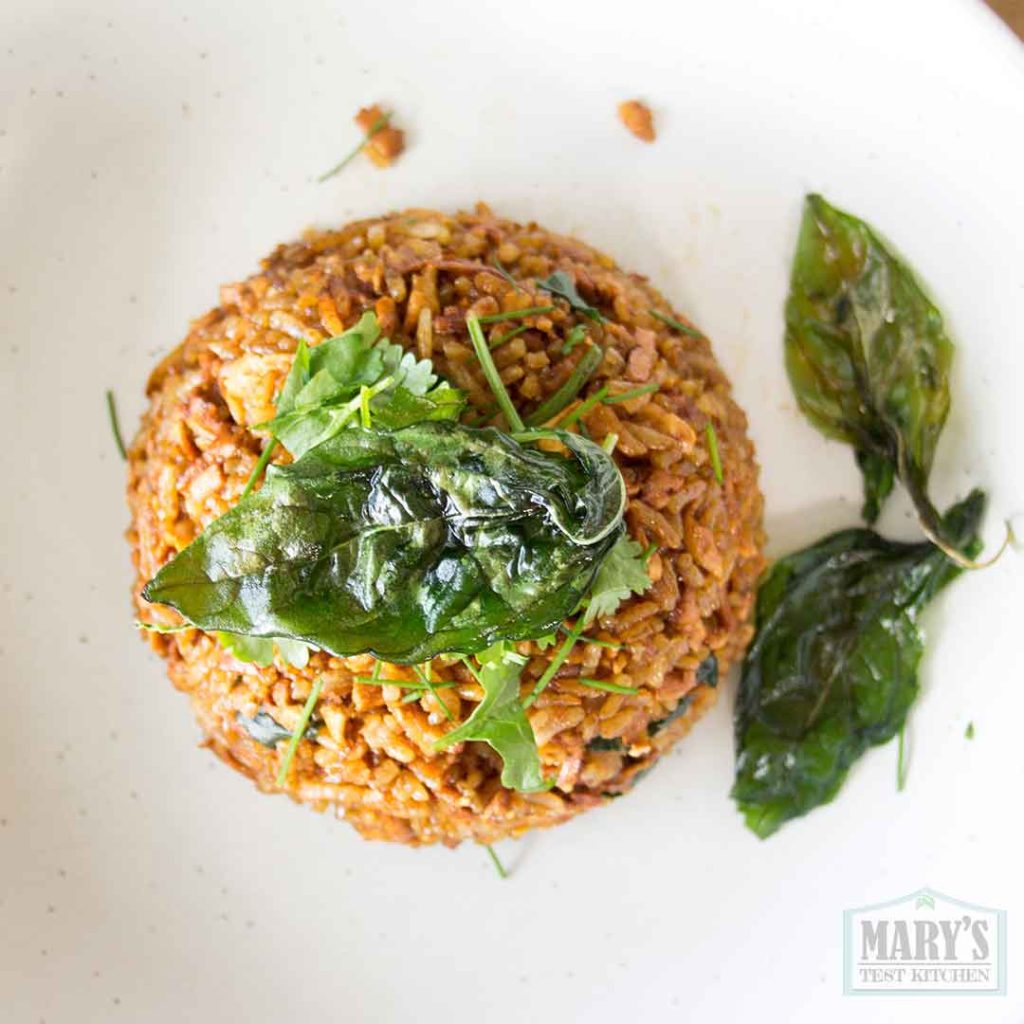
Full recipe here: San Bei Tofu Rice
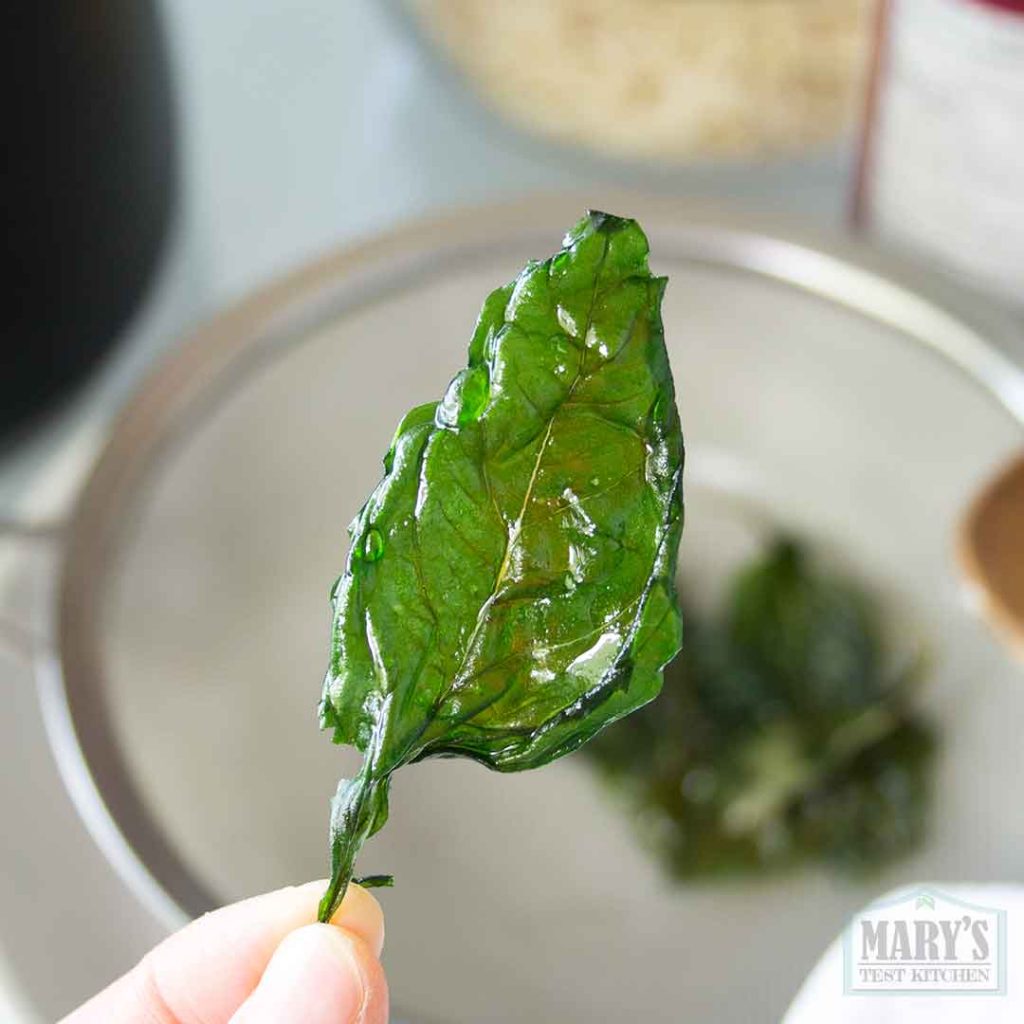
First, I tested the Saute Mode by making Crispy Thai Basil for the garnish. The pot heated up quickly so I could crisp up fresh Thai Basil in minutes. Doing this step in the pot also helped keep the mess down as the high sides of the inner pot caught any potential splatter.
This recipe tested texture control and moisture balance. The goal was distinct jasmine rice grains with enough structure to carry sauce and aromatics, while keeping the tofu from becoming soft or mushy.
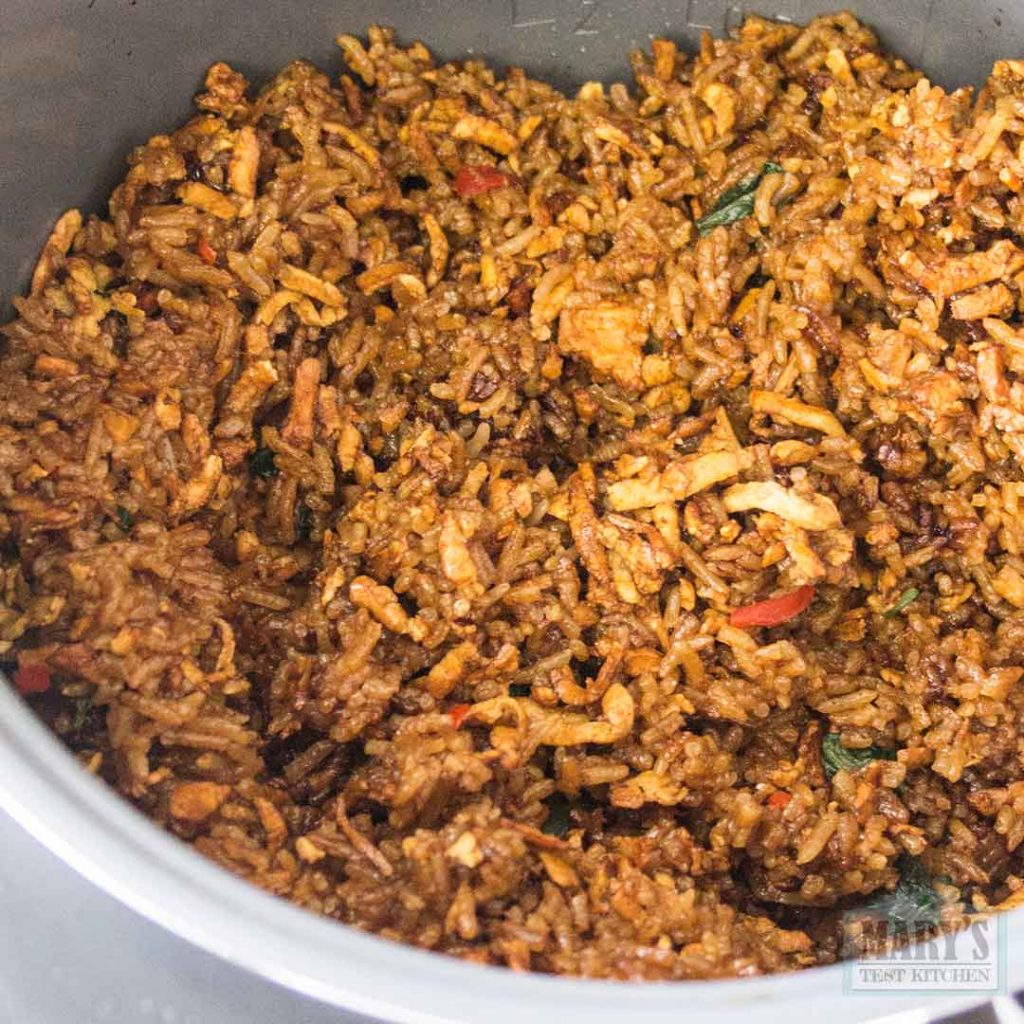
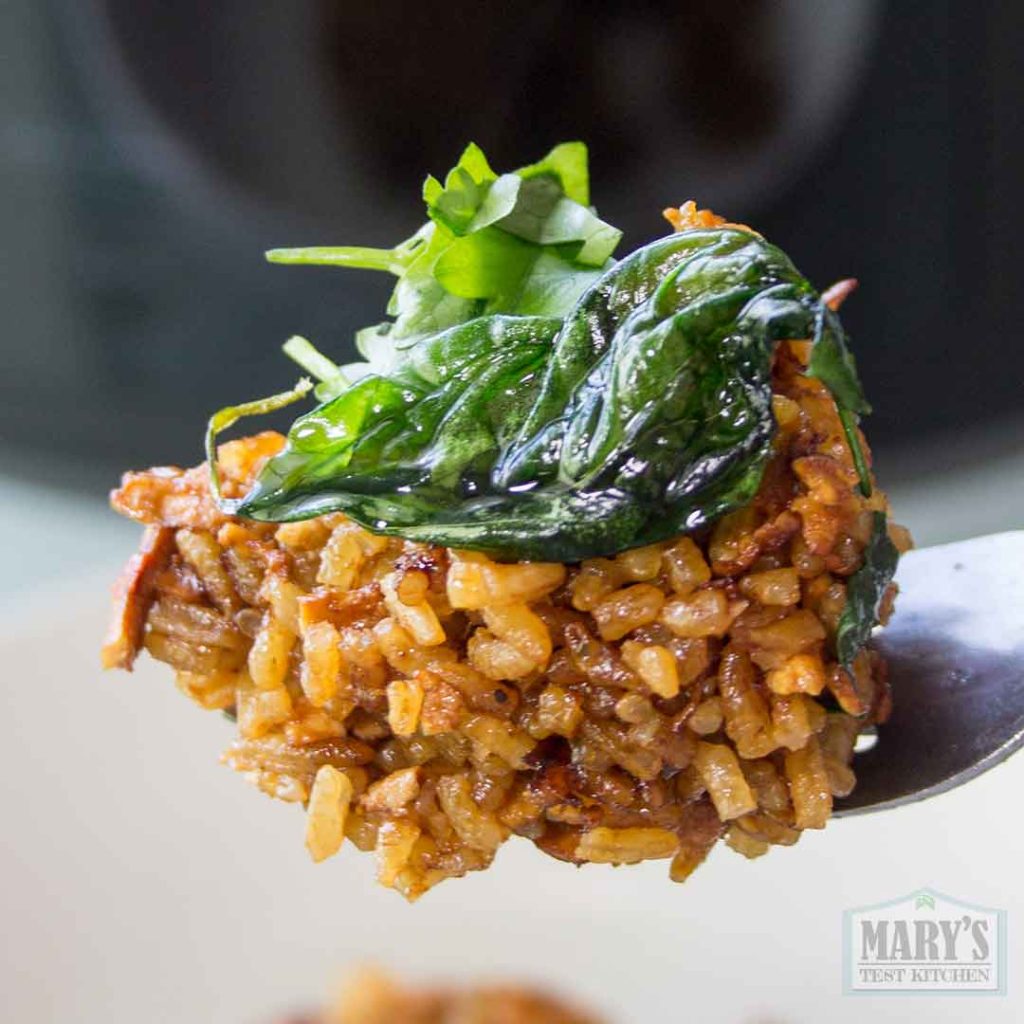
The rice stayed fluffy and well-defined with an excellent chew, the seasoning distributed evenly, and the tofu maintained its texture throughout the cooking process. It felt like a complete one-pot meal rather than a compromise for convenience.
At the end I added toasted sesame oil and fresh Thai Basil, re-set the lid and let it wilt for a couple minutes. Then it was perfect.
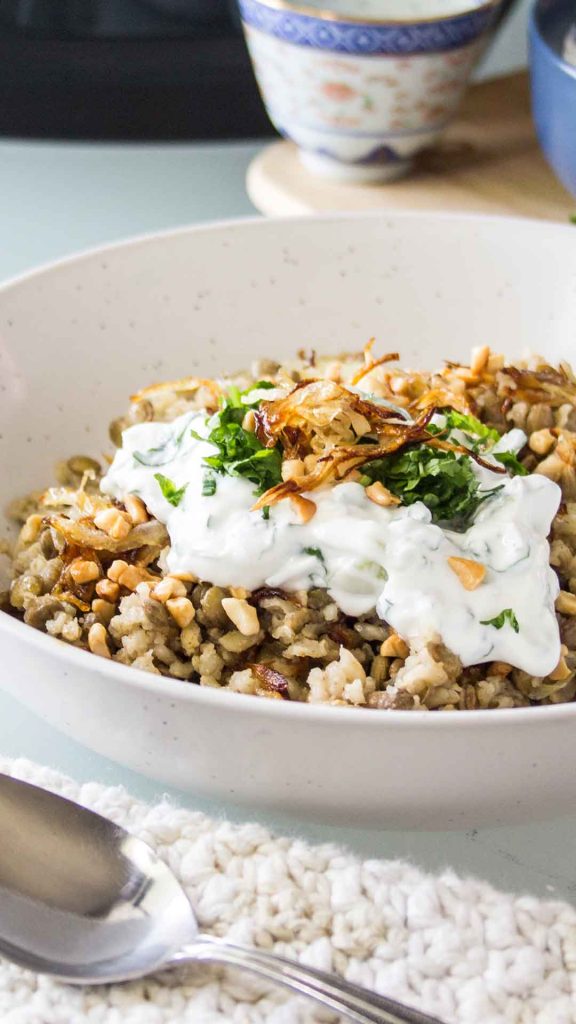
Mujadara (Middle Eastern Rice & Lentils)
Full recipe here: Mujadara Rice & Lentils
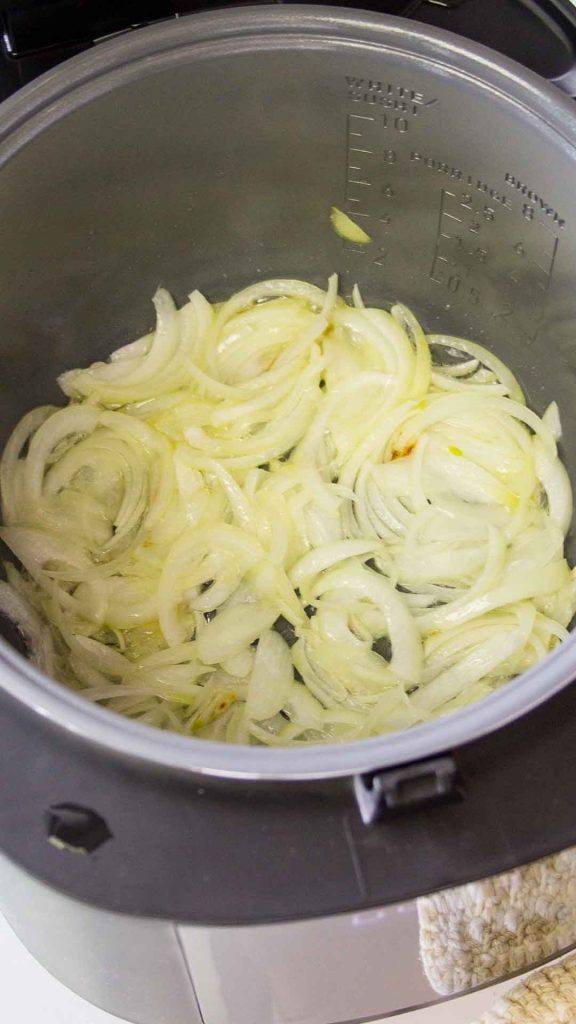
For this recipe, I also started in Sauté Mode; this time turning onions sweet, soft and crispy.
After removing the onions with silicone tipped tongs, I toasted cashews in there as well. Then added rice, soaked lentils and water to the fragrant oil.
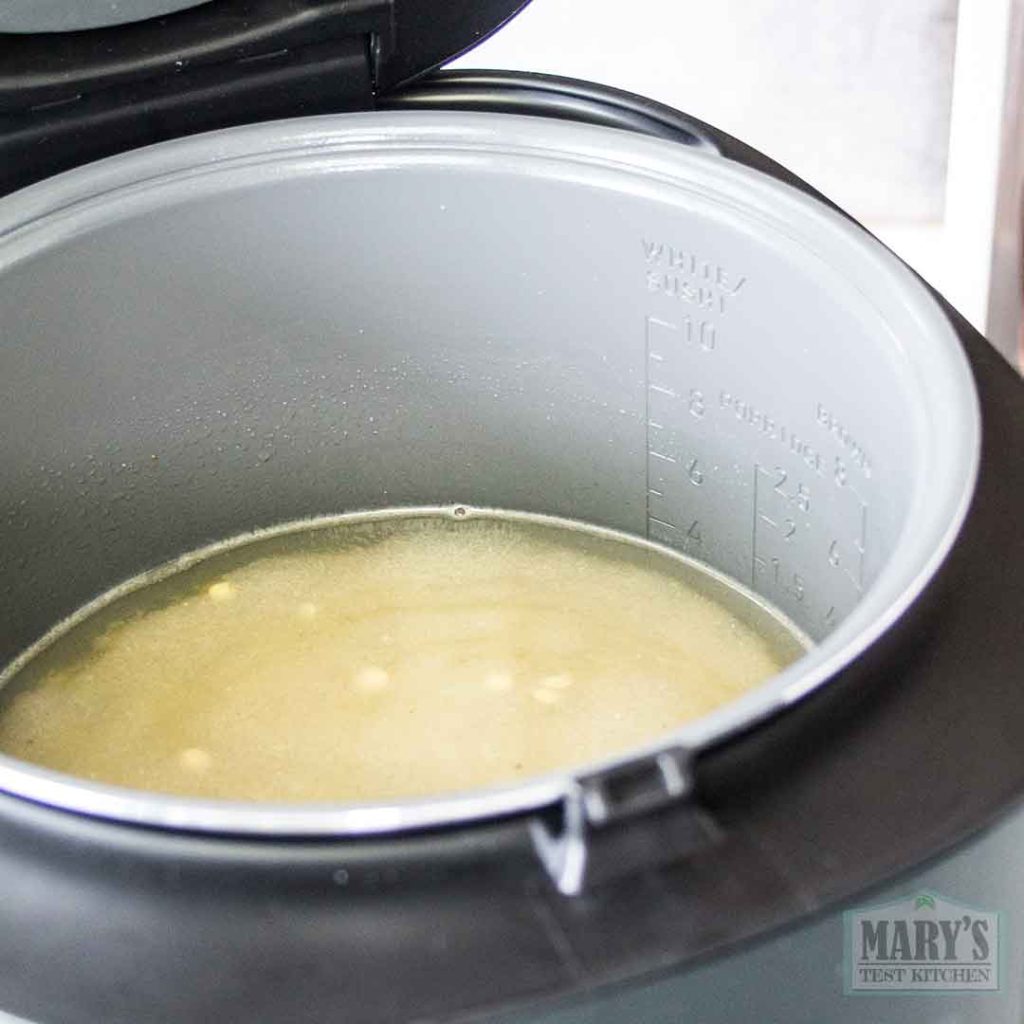
This was one of the potentially difficult tests because rice and lentils naturally cook at different rates. The Cosori handled the combination surprisingly well, producing lentils that were fully cooked but still intact and satisfying, alongside brown basmati rice with a pleasant chew.
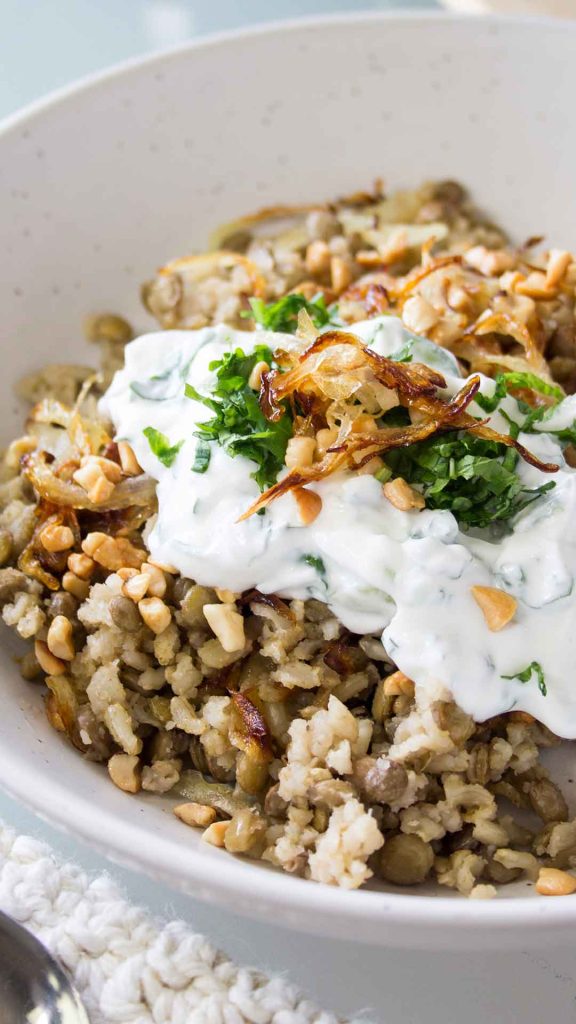
The results were consistent throughout the pot, without the uneven texture or overcooking that can happen in simpler rice cookers.
Breakfast Oat Parfait (Steel-Cut Oat Mode)
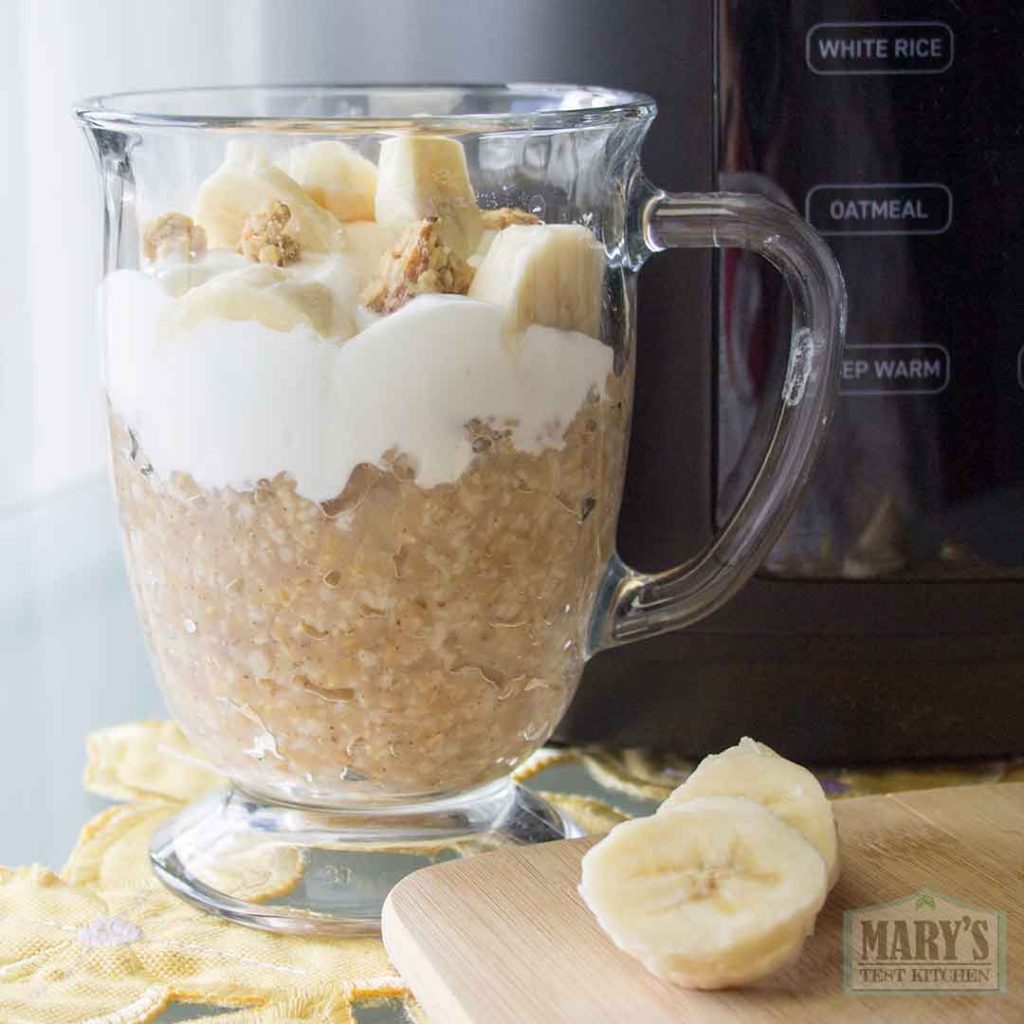
Then I tested a recipe from the included Cosori Rice Cooker Recipe Book. This breakfast porridge combined steel-cut oats with apples and cinnamon. Conveniently, the Oatmeal Mode has steel-cut as one of its three options. I simply pressed Start and away she went!
Afterwards, I opened the lid to reveal creamy oatmeal with the coziness of stewed apples and cinnamon.
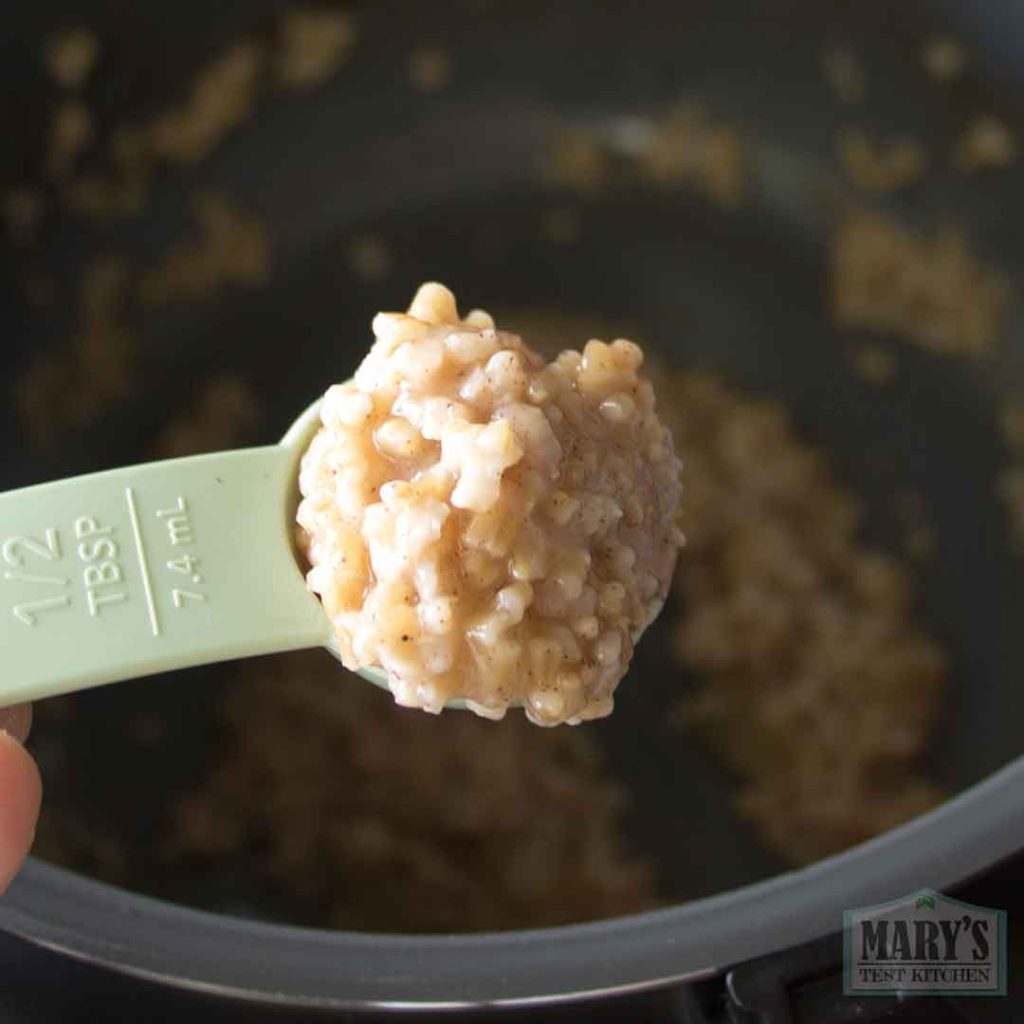
The steel-cut oats cooked evenly without dry patches or gluey sections. What more can you ask for? Actually, the texture was really great! I don’t normally love steel-cut oats but this breakfast parfait was delicious.
Overnight Congee (Delay Start Function Test)
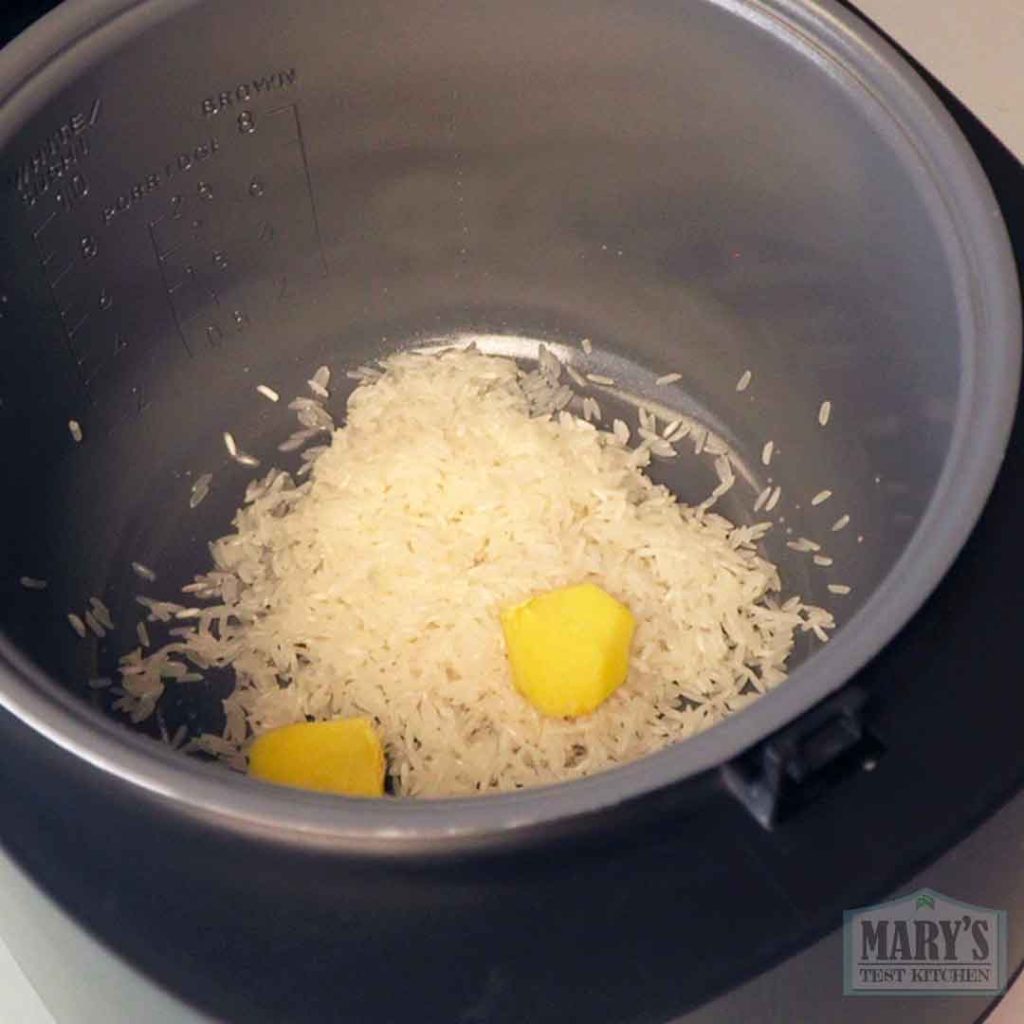
To test the delay-start function, I added rice, ginger, and water to the cooker the night before and set the timer for 10 hours.
By morning, the cooker had automatically completed the cooking cycle. The porridge was silky with the grains still slightly distinguishable; perfect! Personally, I like my congee a bit thinner so I stirred in a little hot water.
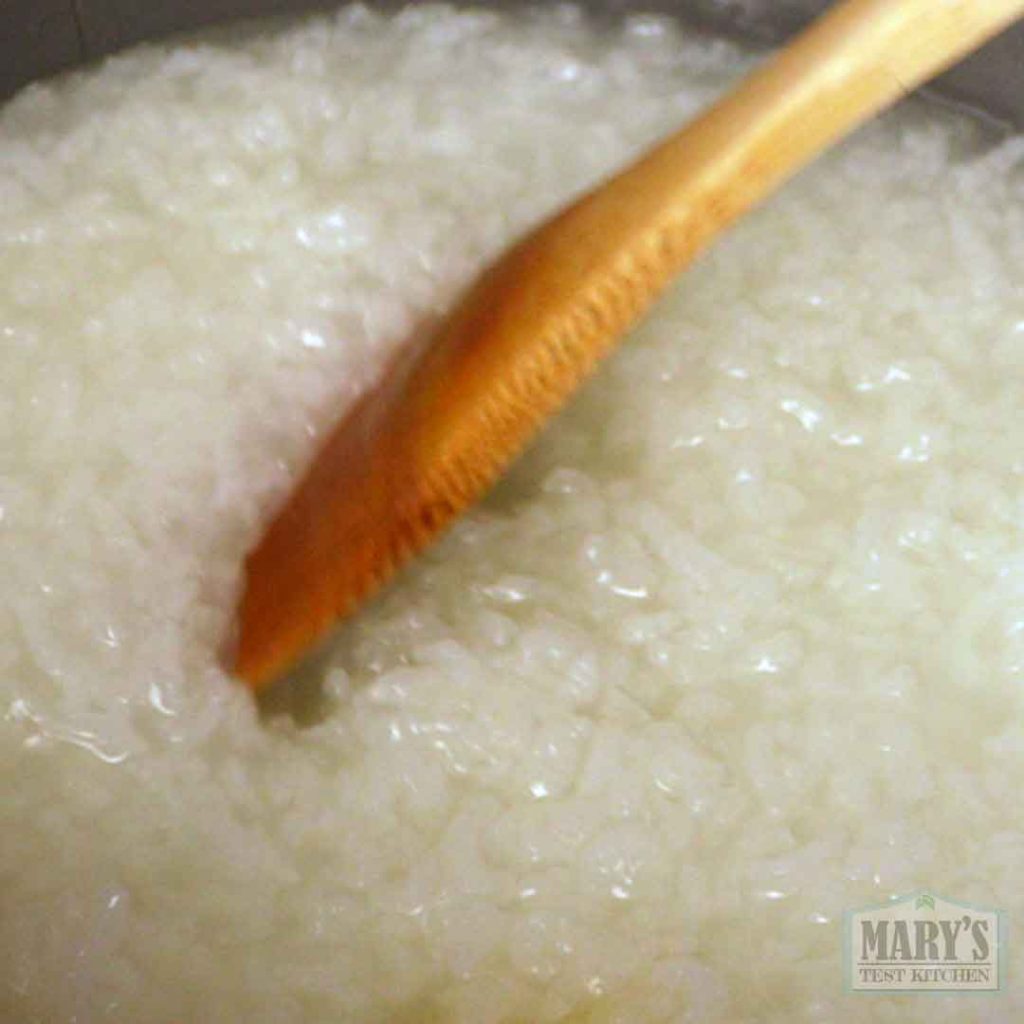
This ended up being one of the clearest demonstrations of the machine’s convenience and reliability. Stove-top congee requires stirring regularly to prevent burning at the bottom, as well as temperature management so it doesn’t over boil as it thickens. Plus really great congee, with the nostalgic silky texture that I love, takes hours.
Being able to wake up to fully prepared congee without active cooking was just delightful. Game-changer!
Performance Across Different Grains
Beyond the recipes, I also tested a variety of grains individually, including jasmine rice, sushi rice, black rice, quinoa, farro, and barley (photo below from left to right, top to bottom). For these tests, I measured only one single scoop (140g or 6oz volume) rinsed them, drained and added them directly to the pot. Then added the appropriate amount of water according to the included recipe book. The handy chart made it super easy to find the ratios. Plus, if you make 2 scoops or more, you can use the markings on the inner pot as a guide for your water amount.
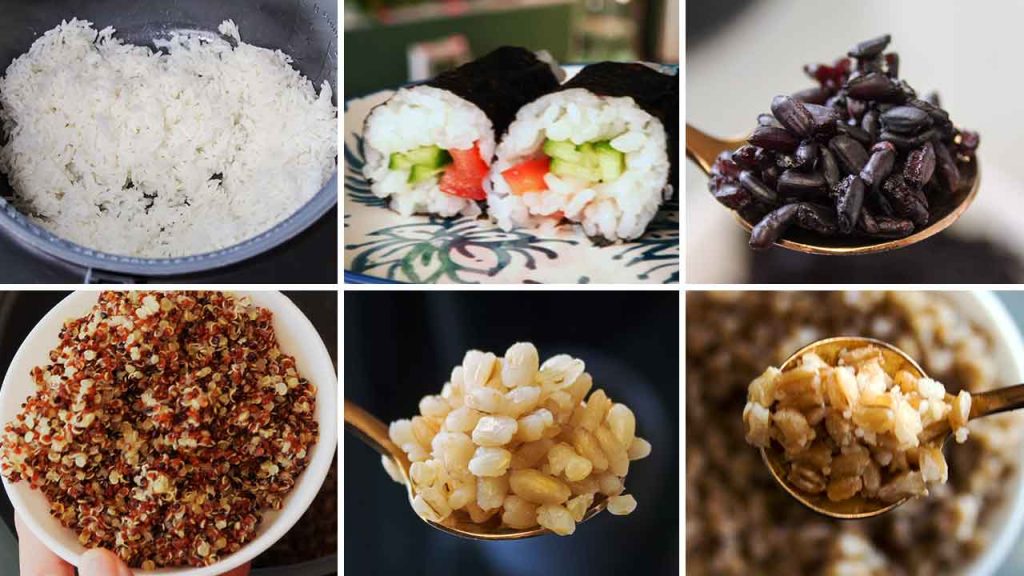
I was able to determine the setting to use easily. The only one I guessed was black rice; I used the brown rice, medium, and regular setting.
The cooker consistently produced well-textured, aromatic results across all of them. I especially appreciated how well-defined the grains were without being dry. The rices that are supposed to be a bit sticky were the right amount of sticky (like Jasmine and Sushi). The Quinoa was super fluffy. And I never knew Barley could be that good! The Black Rice, Barley and Farro were chewy and satisfying!
The grain presets and texture settings appear to make meaningful adjustments during cooking rather than simply applying fixed timing.
Steaming
The steaming basket is quite deep. So I tested it first by loading it up with roughly cubed potatoes for a potato piroshki recipe.
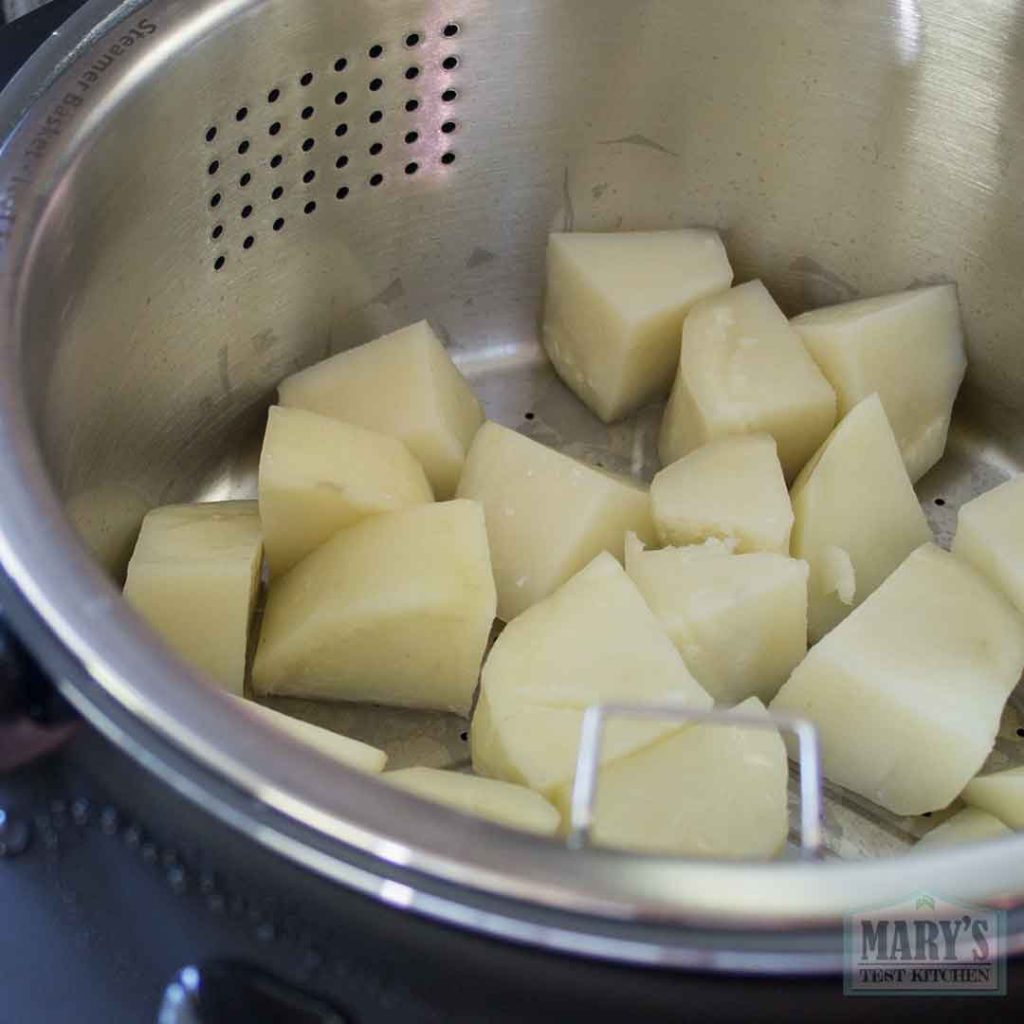
They were perfectly cooked in 20 minutes using the steam function.
Then I meal prepped some sweet potatoes. But this time I didn’t help them out. They went in whole.
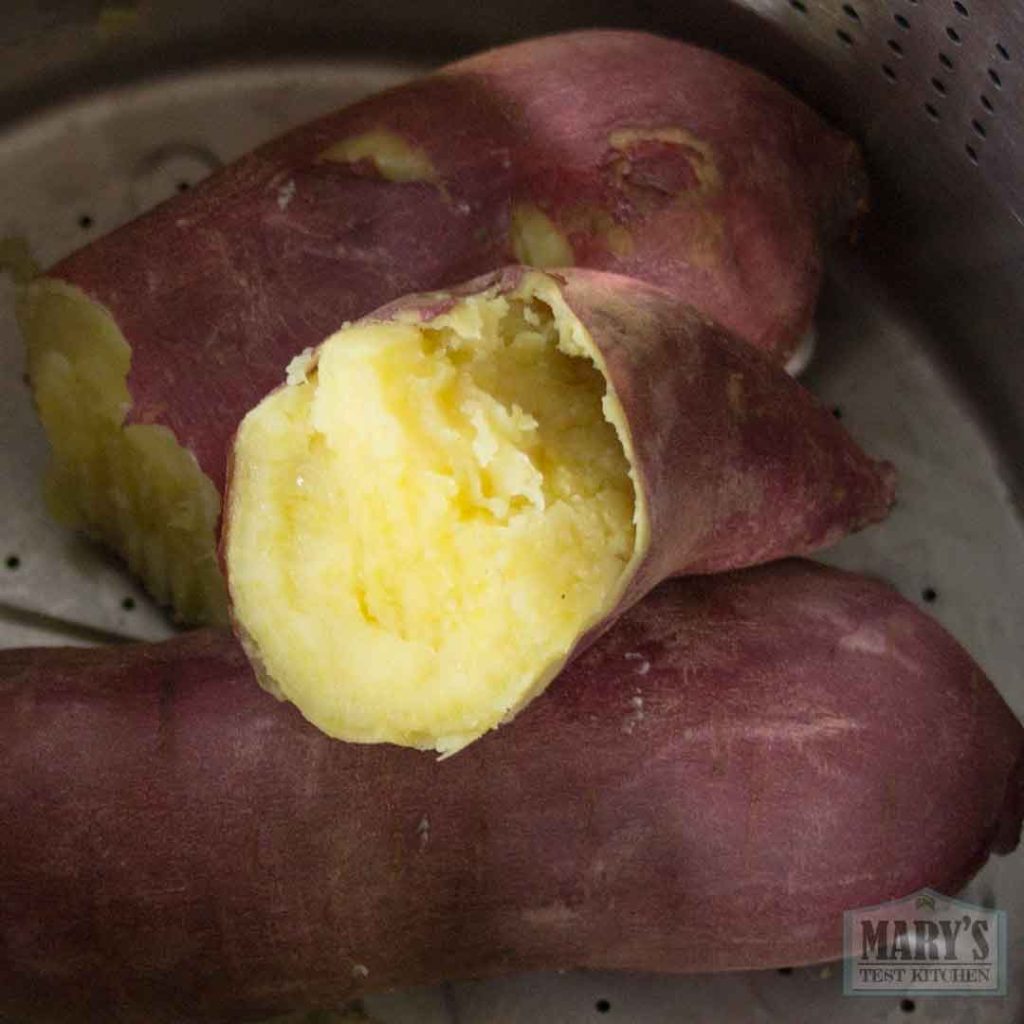
And needed 40 minutes to steam until soft. It’s nice that, unlike with a pressure cooker, I was able to pop open the lid to check on them during the cook time.
And of course, I needed to try out some frozen dumplings. They were perfectly steamed in 10 minutes. I used a parchment liner to prevent sticking as the steaming basket is stainless steel and does not have a non-stick coating.
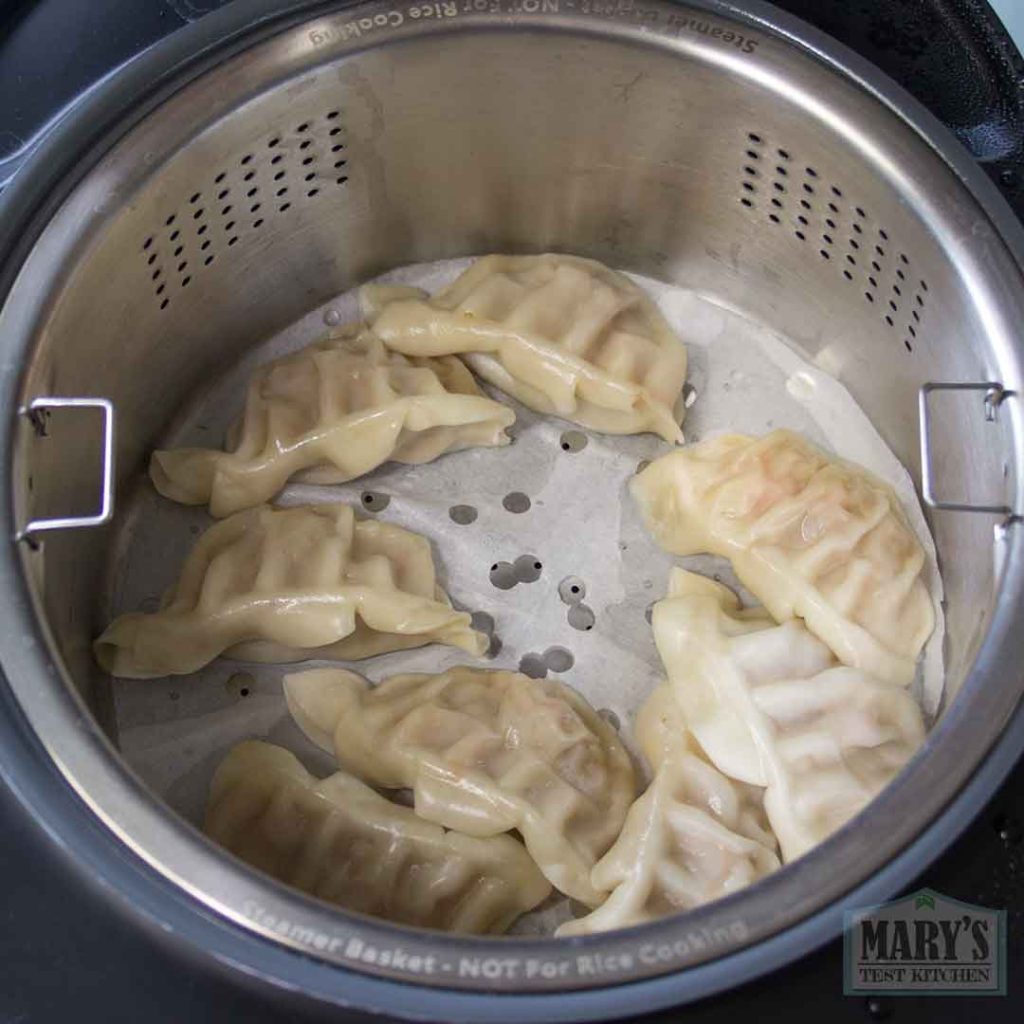
Lacy Potstickers
However, my favorite dumplings have crispy bottoms. So I tested directly in the inner pot. First I added 1 tsp of oil, then the frozen dumplings. I added a slurry of starch and water and selected Steam for 10 minutes. Afterwards, the dumplings were nicely cooked but the slurry wasn’t completely crisped so I switched to Sauté for 5 minutes. I covered the inner pot with a plate and flipped to reveal my lacy potstickers. They were perfect!
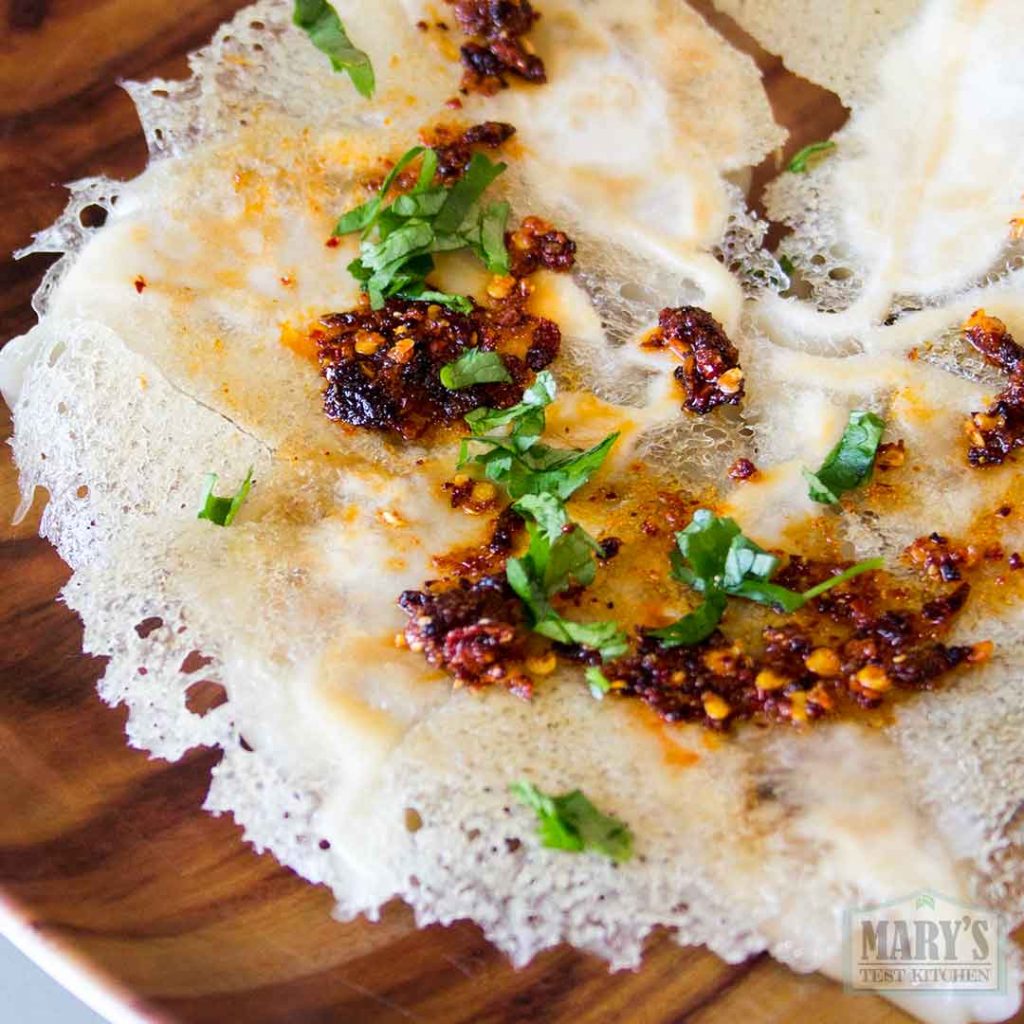

This procedure helped contain the mess of making potstickers. And I’ve made them again several times since it’s so convenient this way.
Features That Stood Out
- Sauté function for building flavor directly in the pot
- Multiple grain-specific cooking modes
- Texture settings (soft, regular, hard)
- Delay-start cooking for freshly cooked breakfast in the morning (you can also set it up in the AM for evening meals)
- Ceramic-coated inner pot with easy food release
- Reliable keep-warm performance after cooking
- Detachable inner lid with gasket made cleaning easy and simple to get into all the nooks and crannies
It also has a slow cook mode which I didn’t have time to try out. Let me know if you’re really interested and I’ll make it a point to try it sooner rather than later.
The Downside
For 7 days straight, I put the Cosori Rice Cooker through every test I could. Each time, it met or surpassed my expectations. But there WAS and IS a downside. The beautiful matte dark grey finish shows every speck of dust. And during this very dry season in Southern Alberta while my air purifier has unfortunately met its demise, it also attracts the cat hair. So I find myself wiping it down daily. Perhaps I should anyway. But I wish it came in a lighter color so I could live in blissful ignorance.
How is it different from a programmable pressure cooker (like Instant Pot)?
Pressure cooking is generally “faster.” Especially if you’re not counting the time it takes to build pressure, then wait for the pressure to go down so you can open the lid after the cooking cycle.
Using a cooker that you can open throughout the process makes it more versatile. Great for one pot meals that have different cooking stages. Great for adding greens in the last few minutes so they retain nutrients and don’t overcook. Plus, I found the grains made in this rice cooker so much better!
Plus, I really don’t find that it’s really any slower when you take the whole process into consideration.
The exception is with cooking beans. They can be significantly quicker to cook in a pressure cooker. But both types of machines let you “set it and forget it.” So while cooking dried beans from scratch in the Cosori Rice Cooker may take a bit longer than a pressure cooker, you can still cook them without babysitting at all.
Product Specifications
On the first look, the Cosori Rice Cooker is sleek and modern with a matte finish and shiny touchscreen. When off, you can’t see the buttons; rather they light up when you press the dimly lit Start button.
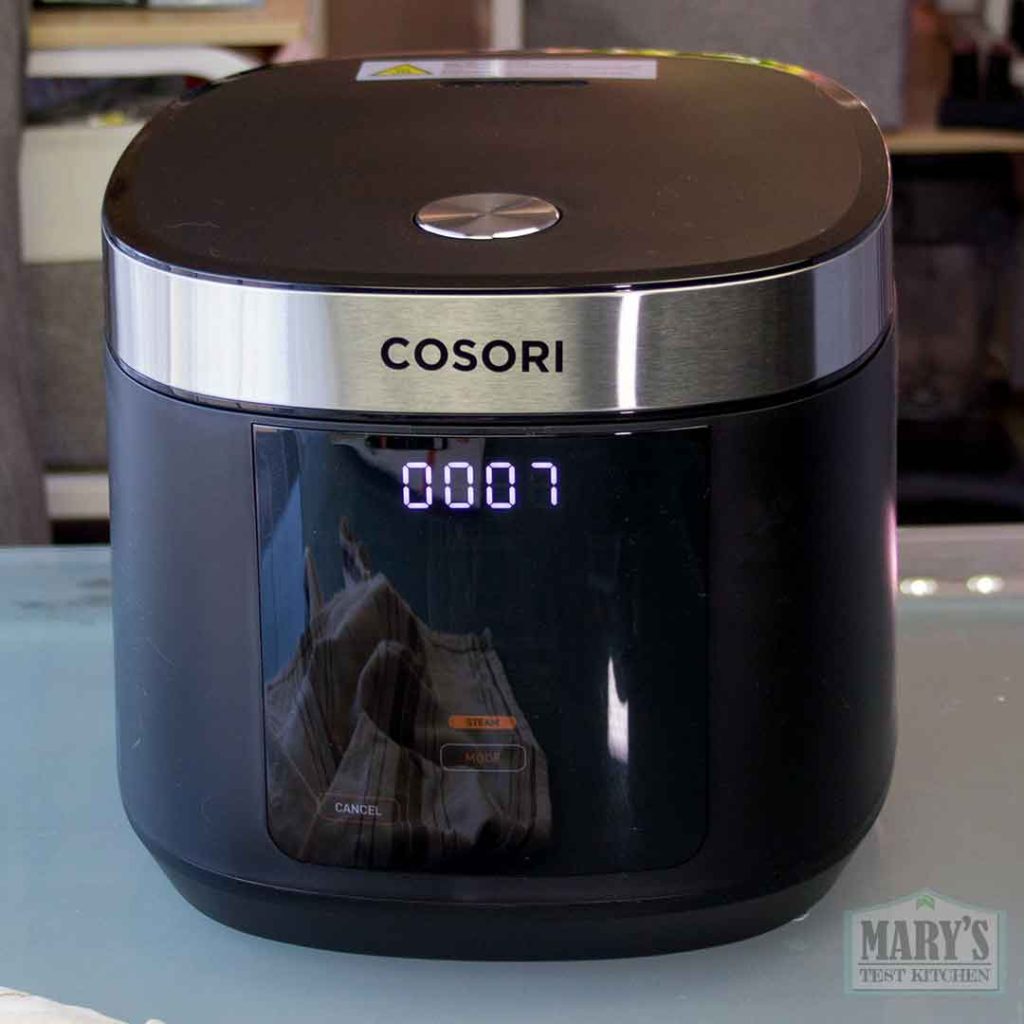
There are two indentations at the base so you can hold on to the cooker and move it around easily.
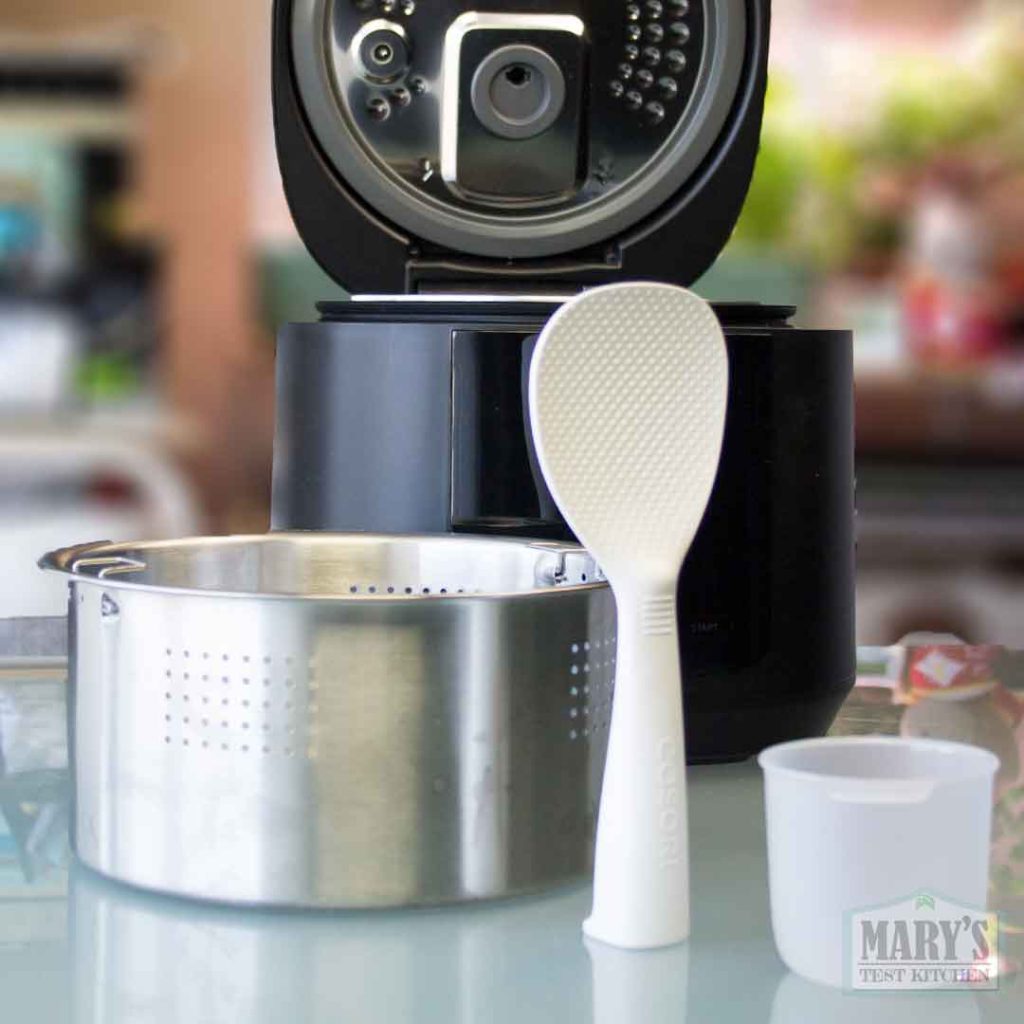
When you unpack the box, you’ll find the inner detachable lid, the steamer basket, measuring cup, rice paddle, and inner ceramic-coated pot.
Dimensions
Rather than rely on the manufacturer’s information from the website, I have measured each item personally with measuring tape.
Outside Measurements
Whole Rice Cooker with Lid Down: 9”
Height with Lid Up: 19.5”
Actual countertop space required: 12 inches from wall to front, 10.25” width
Inside Things
Detachable Inner Lid: 9.5” diameter, completely detachable with a detachable steam cover.
Ceramic-coated Inner Pot: 8.25 Internal diameter at top, 6.75” at bottom , Internal height 5.25”
As audience members wanted more reassurance about the ceramic coating, I reached out to Cosori to ask for their documentation. They sent over their 3rd party testing results which I was able to analyse. Because I have previously worked in the toy industry and familiar with these types of material testing reports, I am able to read and understand the reports beyond the front page summaries. So I can confidently trust that Cosori has done the diligence to ensure their ceramic coating is free from BPA, PFOA, or PFOS; what we commonly know as PFAS.
Accessories
Steamer Basket: 4” high, 7.75” internal diameter, handles 0.75 “ each. The handles point into the basket. So if you’re using a bowl or plate to steam, you’ll want to consider those for clearance.
The basket is made from stainless steel and also food-grade and free of BPA, PFOA, and PFOS.
Measuring Cup: 6 oz volume, 170ml or 140g medium grain rice capacity.
Rice Paddle: 3.5” paddle, 4.25 handle. It’s comfortable to grip and the perfect size.
All the accessories fit into your clean and dry Cosori Rice Cooker for convenient storage.
How Easy/Difficult is it to Clean
Cleaning the Cosori Rice Cooker, inside and out, is overall very easy! The outside wipes down easily with a damp cloth. When I’ve left greasy spots, I add a little dish soap to my moist (but not dripping) sponge and work it in. Then wipe off the soap with a soap-free damp cloth or sponge.
There is an inner lid that detaches so you can clean it completely on both sides and along the gasket. On it, there’s a steam cap that also detaches. In my experience, food doesn’t usually get stuck there so you can easily rinse it out. However, if you need to deep clean, use a small cleaning brush (like a toothbrush).
The steaming basket is stainless steel so you can clean it like any other stainless steel. However, the handles are a little finicky if you need to scrub around them. Tip: Use a toothbrush.
The inner pot is ceramic-coated so food wipes out easily. Clean it with soapy water and a sponge and you’re good to go.
Cosori says that all the detachable parts are dishwasher safe.
Final Verdict
The Cosori rice cooker performs well beyond what its name suggests. While it is marketed as a rice cooker, in practice it functions more like a compact multi-cooker capable of handling a wide range of grains, legumes, and simple one-pot meals with consistent results. In design, functionality and easy of clean-up, I love it! I am literally eating more wholesome foods because of it.
It makes grains just as perfectly as the expensive Japanese cookers (you know, the $400+ ones) but at a fraction of the cost. For the $99 USD MSRP, it is a remarkable value and worth your consideration.
All that said, I’ve only had it a short time in the grand scheme of things. So I’ll update you again in a year! See ya then!