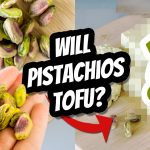
The time has come to find out if store-bought plant-based milks will tofu! Could this be the tofu-making short cut we’ve been waiting for? In this video, I will be testing the traditional method of making tofu on
- soy milk (using Silk soymilk),
- oat milk (using Earth’s Own oatmilk),
- and pea milk (using Ripple peamilk)
I’m pretty sure soymilk will tofu easily. But there is ONE ingredient on the box that gives cause for concern. For the others, I’m less sure. PeaFu has been made successfully before on the channel but with dried green and yellow peas. I have never even tried to make oatfu before so this should be something!
The Contenders
Soy Milk
8g protein per cup (Canadian cup, slightly more than the US one). Long list of ingredients, but still the most promising since it’s the traditional base for tofu.
Pea Milk
Also 8g protein per cup, but it cost a pretty penny. Includes plenty of additives, so we’ll see how it holds up.
Oat Milk
Only 3g protein per cup, and honestly, I’ve never bought it before. It’s never had what I look for in a milk substitute. But we’re giving it a shot.
The Method
To keep things fair, I followed my usual tofu-making steps:
-
Heat the milk
-
Add calcium sulfate (a traditional coagulant)
-
Let it sit, covered
-
Strain the curds and press them
Before we dive into the results, here’s what fresh curds typically look like from homemade soy milk: chunky, intact curds with a clear, yellowish whey. We’re hoping for something similar.
Round One: Soy Milk
First impressions? The curds kind of formed, but not like homemade soy milk. The whey was still milky. I tried acidifying with vinegar—and that helped! With higher heat and a bit of patience, we finally got solid curds and clear whey.
Taste Test:
The fresh curds were creamy, with that unmistakable Silk soy milk flavor. It wasn’t unpleasant—it’s one of my preferred soy milks—but as tofu? The taste leaned sweet, almost like a dessert. I can see this making a great chocolate mousse, but it’s not the savory tofu I’m used to.
Yield: About 330 grams from one carton.
Round Two: Pea Milk
This milk had an oddly pleasant toffee finish when sipped cold, thanks to some added “natural flavors.” Heating it brought on some curds… maybe? The process was fussy—barely any foam, oily skin on top, and a stubborn reluctance to separate. Eventually, vinegar did the trick.
Taste Test:
The curds were small and soft. The flavor was… strange. A little salty, a little sweet, with that same caramel-y finish. Texture-wise, the pressed tofu was grainy and crumbly. And somehow, it had a weird hint of socks. I tried a different coagulant (GDL) too, but it didn’t improve things.
Yield: Roughly 230–240 grams.
Round Three: Oat Milk
I didn’t expect much from this low-protein option. It boiled just fine, but even with vinegar and patience, the result wasn’t tofu—it was oatmeal. Smooth, creamy, and surprisingly edible, but not tofu by any stretch. It could make a good base for an oat cream dessert, though.
Taste Test:
Sweeter than expected. Offensively so, at first. It grew on me a little—but it’s just not tofu. Let’s be honest: this one’s going straight into the “fun with food” file.
Yield: About 134 grams of what I’m calling oat cream.
Final Thoughts
Here’s the breakdown:
| Milk Type | Protein (g/cup) | Yield (g) | Verdict |
|---|---|---|---|
| Soy | 8 | ~330 | Most successful. Best texture, weird flavor. |
| Pea | 8 | ~230–240 | Edible, but grainy. Tastes like sweet socks. |
| Oat | 3 | ~134 | Not tofu. Actually just oat pudding. |
So should you make tofu from store-bought milk?
Unless you’re in it for the science experiment or looking for a fun afternoon with kids—probably not. The flavors are odd, the yields are low, and homemade tofu still wins in both taste and texture.
But hey, you don’t know until you try, right?